Pharmaceutical material handling equipment plays a crucial role in the pharmaceutical manufacturing process, ensuring the safe, efficient, and compliant movement of raw materials, intermediates, and finished products throughout the production line. These specialized systems are designed to meet stringent regulatory requirements, maintain product integrity, and enhance overall operational efficiency in pharmaceutical facilities.
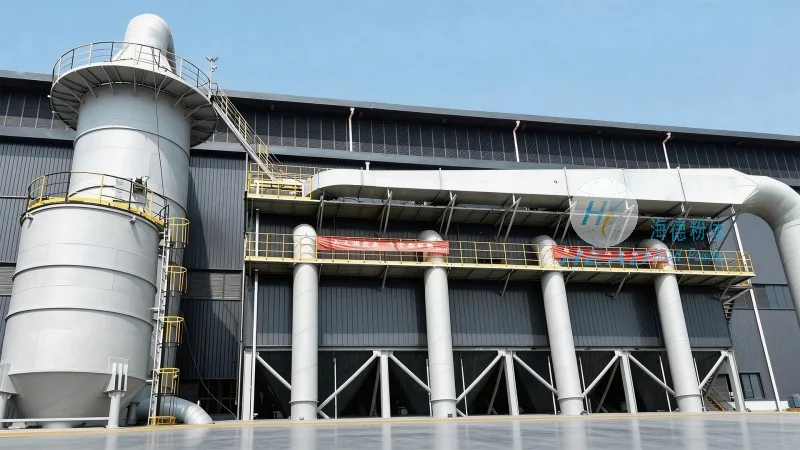
Understanding the Core Functions of Pharmaceutical Material Handling Equipment
At the heart of pharmaceutical production, material handling equipment is responsible for transporting various substances within the manufacturing environment. This includes conveying powders, liquids, and solid materials from one processing stage to another, such as from raw material storage to mixing, from mixing to filling, and from filling to packaging. The equipment must be capable of handling different forms of pharmaceutical materials, including bulk powders, granules, liquids, and even sterile or temperature-sensitive products. The primary functions of these systems include bulk material transfer, batch processing support, and integration with other production equipment to create a seamless workflow.
Key Design Principles for Pharmaceutical Material Handling Equipment
The design of pharmaceutical material handling equipment is governed by several critical principles that ensure compliance with industry standards and operational excellence. First, hygiene and sterility are paramount. Equipment must be constructed from materials that are easy to clean, sanitize, and maintain, such as stainless steel, to prevent contamination and ensure product safety. Second, precision and accuracy are essential, as pharmaceutical processes often require precise dosing and measurement of materials. This is achieved through advanced control systems and sensors that monitor and regulate the flow of materials. Third, flexibility and adaptability are important, as pharmaceutical production lines may need to handle different product types or adjust to changing production volumes. Modular designs and adjustable components allow for easy reconfiguration without significant downtime. Fourth, regulatory compliance is a fundamental design consideration. Equipment must adhere to guidelines from agencies like the FDA and GMP (Good Manufacturing Practice) to ensure that all aspects of the manufacturing process meet legal and quality standards.
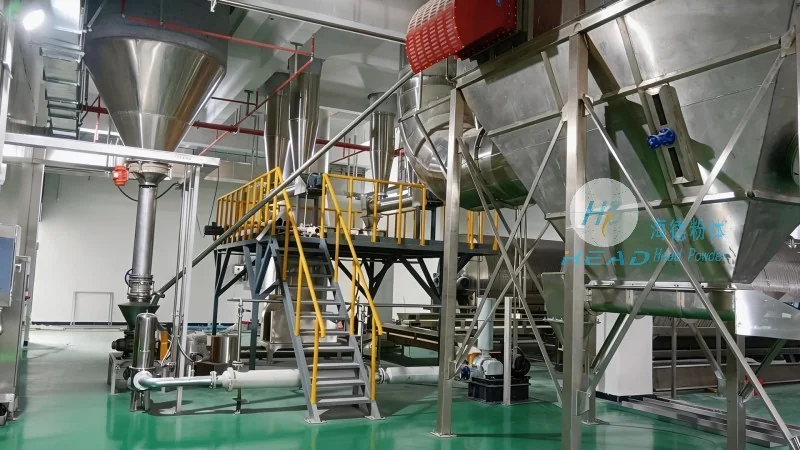
Components and Technologies in Pharmaceutical Material Handling Systems
Pharmaceutical material handling systems typically consist of several key components and technologies that work together to achieve efficient material transfer. These include conveyors (such as belt conveyors, screw conveyors, and pneumatic conveyors), storage systems (like silos and hoppers), and control systems (including PLCs and SCADA). Belt conveyors are commonly used for transporting bulk powders and granules over short to medium distances, while screw conveyors are ideal for vertical or inclined material movement. Pneumatic conveyors, on the other hand, use air pressure to move materials, which is particularly useful for handling fine powders and preventing product contamination. Storage systems, such as stainless steel silos and hoppers, are designed to store raw materials safely and maintain their quality until they are needed for production. Control systems play a vital role in monitoring and controlling the entire material handling process, ensuring that materials are transferred at the correct rate and in the right quantity. Sensors and feedback mechanisms are integrated into these systems to detect any deviations and adjust the process accordingly.
Applications of Pharmaceutical Material Handling Equipment in Manufacturing
Pharmaceutical material handling equipment is used in a wide range of applications across the pharmaceutical manufacturing process. In the raw material handling stage, equipment such as bulk loaders and feeders are used to transfer raw materials from storage to the production line. These systems ensure that materials are handled gently to avoid degradation or contamination. During the mixing and processing stage, conveyors and agitators are used to move materials between different processing units, such as from a mixer to a dryer or from a dryer to a packaging machine. In the filling and packaging stage, equipment like filling machines and packaging lines rely on material handling systems to supply the correct amount of product to the filling stations. The integration of material handling equipment with other production equipment, such as automated filling lines and packaging machines, creates a streamlined production process that minimizes manual intervention and reduces the risk of human error.
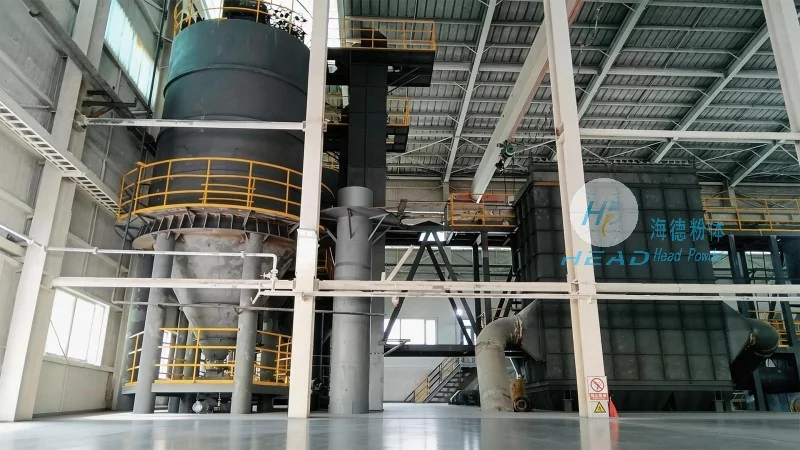
Ensuring Quality and Compliance with Pharmaceutical Material Handling Equipment
Quality and compliance are the cornerstones of pharmaceutical material handling equipment. The equipment must be designed and manufactured to meet the highest standards of cleanliness and reliability. This includes regular maintenance and cleaning protocols to prevent cross-contamination between different products. The use of stainless steel and other corrosion-resistant materials ensures that the equipment can withstand the harsh conditions of pharmaceutical production, such as exposure to cleaning agents and high temperatures. Additionally, the equipment must be validated to ensure that it meets the required performance specifications. Validation involves testing the equipment under various conditions to confirm that it operates as intended and that it does not introduce any contaminants or errors into the production process. This validation process is critical for maintaining compliance with regulatory requirements and ensuring that the final pharmaceutical products are safe and effective for patients.
About Shandong HeadPowder Engineering Co., Ltd.
Shandong HeadPowder Engineering Co., Ltd., commonly known as HeadPowder, is a leading manufacturer of pharmaceutical material handling equipment. With a strong focus on innovation and quality, HeadPowder has established itself as a trusted partner in the pharmaceutical industry. The company specializes in designing and manufacturing a wide range of material handling systems, including conveyors, storage equipment, and control systems, tailored to meet the specific needs of pharmaceutical manufacturers. HeadPowder's products are known for their durability, efficiency, and compliance with industry standards. The company's commitment to customer satisfaction and continuous improvement has helped it build a reputation for excellence in the pharmaceutical equipment market. HeadPowder's facilities are located in Shandong, China, where the company leverages advanced manufacturing technologies and a skilled workforce to produce high-quality equipment that meets the demands of modern pharmaceutical production.




