When it comes to the efficient and reliable transportation of cement powder, selecting the right conveying method is crucial for industrial operations. Different applications demand specific solutions, and understanding the advantages and disadvantages of various cement powder conveying methods is essential for optimizing production processes. This article provides a comparative analysis of common cement powder conveying systems, highlighting key factors that influence the choice of equipment for industrial settings.
Pneumatic Conveying Systems: Advantages and Disadvantages
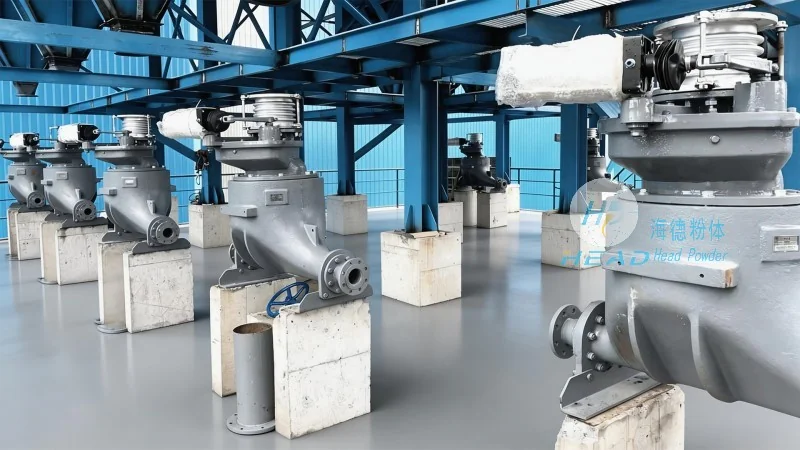
Pneumatic conveying systems utilize air pressure to transport cement powder through a network of pipes. This method is widely used in industries where dust control and flexibility are critical. One of the primary advantages of pneumatic conveying is its ability to handle fine powders without the need for mechanical components that might cause clogging or wear. The system can be designed for both positive and negative pressure, allowing for precise control over the flow rate and direction of the material. However, pneumatic conveying systems often require higher energy consumption compared to other methods, as they rely on compressed air to move the material. Additionally, the initial investment and maintenance costs can be significant, especially for large-scale operations. The system's performance is also sensitive to variations in powder properties, such as moisture content and particle size, which may affect the conveying efficiency.
Screw Conveyors: Advantages and Disadvantages
Screw conveyors, also known as auger conveyors, are mechanical devices that use a rotating screw to move cement powder along a trough. This method is commonly used for horizontal or slight incline applications, making it suitable for transporting bulk materials over short distances. A key advantage of screw conveyors is their simplicity and low maintenance requirements. They are relatively inexpensive to install and operate, and can handle a wide range of powder types without the need for additional components. However, screw conveyors have limitations in terms of material handling capacity and may not be suitable for very fine or abrasive powders, as the screw and trough can experience wear over time. The system's efficiency can also be affected by the presence of lumps or foreign objects in the material, which may cause blockages or damage to the equipment.
Pipeline Conveying: Advantages and Disadvantages
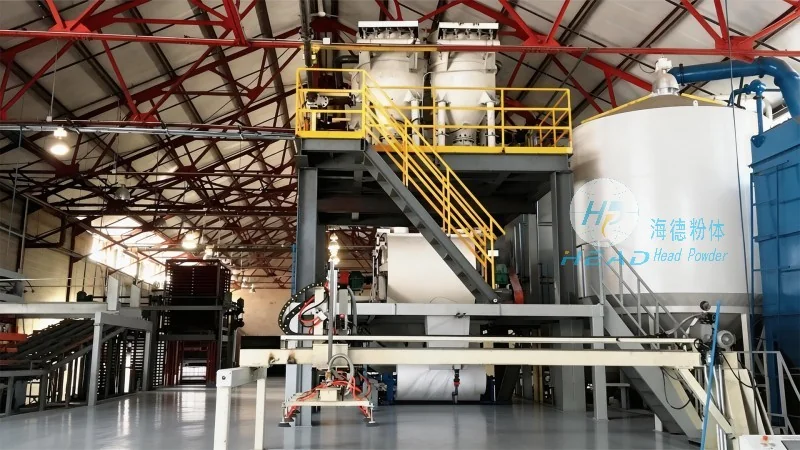
Pipeline conveying, often referred to as slurry or slurry pipeline systems, involves transporting cement powder mixed with water or other liquids through a closed pipeline. This method is particularly effective for long-distance transportation and for applications where dust control is a priority. One of the main advantages of pipeline conveying is its ability to transport large volumes of material over considerable distances with minimal energy consumption compared to pneumatic systems. The system can also handle a wide range of powder types, including those with high moisture content or abrasive characteristics. However, pipeline conveying requires careful consideration of the material's rheology and the pipeline's design to prevent clogging or corrosion. The initial setup costs can be high due to the need for specialized equipment and infrastructure, and maintenance involves regular cleaning and inspection to ensure optimal performance.
Choosing the Right Cement Powder Conveying Method
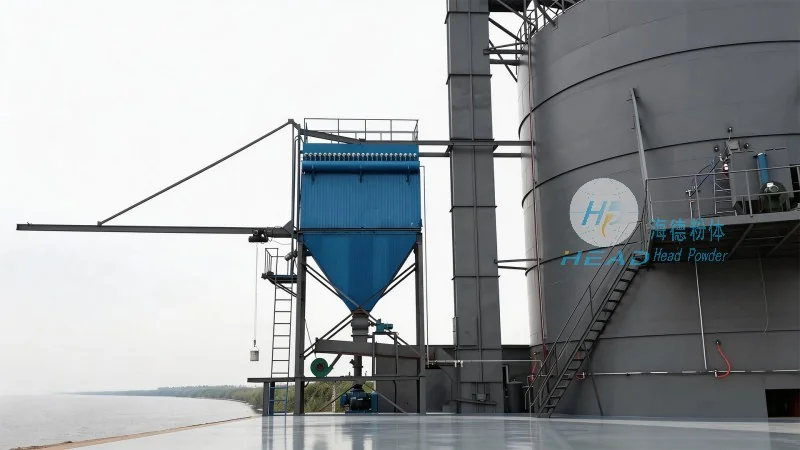
The selection of an appropriate cement powder conveying method depends on several factors, including the material's properties, the distance to be covered, the required throughput, and the environmental considerations. For example, pneumatic conveying is often preferred for short distances and when dust control is paramount, while screw conveyors are suitable for horizontal transport of bulk materials. Pipeline conveying is ideal for long-distance transport and for applications where the material needs to be mixed with liquids. Industrial operators must also consider the operational costs, including energy consumption, maintenance requirements, and the potential for material degradation during transport. Consulting with experienced engineering firms, such as Shandong HeadPowder Engineering Co., Ltd., can provide valuable insights into the most suitable conveying solution for specific industrial needs.
About HeadPowder Engineering
Shandong HeadPowder Engineering Co., Ltd. is a leading provider of specialized equipment and solutions for cement powder handling and conveying. With a focus on innovation and customer satisfaction, HeadPowder Engineering offers a range of conveying systems tailored to the unique requirements of industrial applications. The company's expertise in material handling technology ensures that clients receive reliable and efficient solutions that meet their operational and environmental standards. HeadPowder Engineering's commitment to quality and service has made it a trusted partner for businesses in the cement and related industries, helping them optimize their production processes and improve overall efficiency.




