Pharmaceutical material handling conveyors are specialized systems engineered to efficiently transport and manage various materials within pharmaceutical manufacturing environments. These systems are critical for ensuring the smooth flow of raw materials, intermediate products, and finished goods through different stages of production, from receiving and storage to packaging and distribution. The design of such conveyors is meticulously tailored to meet stringent regulatory requirements, hygiene standards, and operational efficiency goals, making them indispensable in modern pharmaceutical facilities. Developed by Shandong HeadPowder Engineering Co., Ltd. (headpowder), these conveyors are built with precision to support the demanding needs of pharmaceutical production.
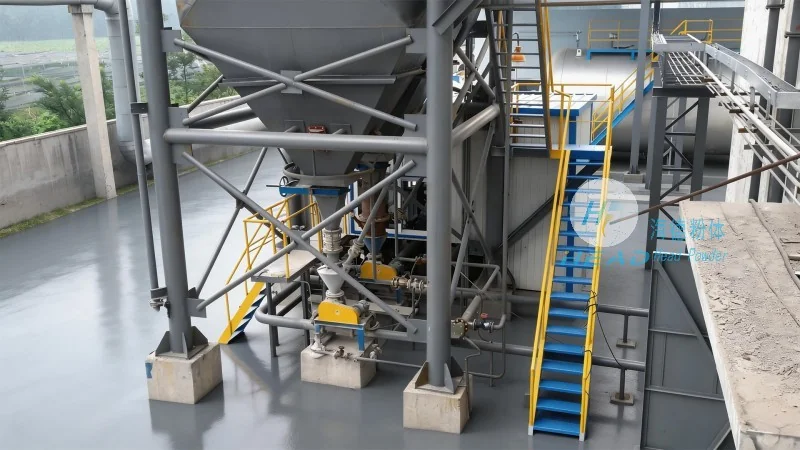
Understanding Pharmaceutical Material Handling Conveyors
A pharmaceutical material handling conveyor is a mechanized system designed to move materials in a controlled and hygienic manner. These conveyors are typically constructed from materials that are easy to clean and sanitize, such as stainless steel, and are equipped with features that prevent contamination and cross-contamination. The systems often integrate with other automation components, like sensors, control panels, and sorting mechanisms, to enhance operational precision and adaptability. The primary goal of these conveyors is to streamline material movement, reduce manual handling, and minimize the risk of errors or product damage during the manufacturing process.
Key Design Principles for Pharmaceutical Conveyors
The design of pharmaceutical material handling conveyors is guided by several fundamental principles that ensure compliance with industry standards and optimal performance. First, hygiene and sanitation are paramount. Conveyors are designed with smooth, non-porous surfaces that can be easily disassembled and cleaned. They may also incorporate features like CIP (Clean-in-Place) or SIP (Steam-in-Place) capabilities to maintain a sterile environment. Second, material compatibility is critical. The components of the conveyor must be compatible with the materials being transported, including any chemicals or solvents used in the manufacturing process. This includes selecting appropriate lubricants, seals, and coatings to prevent chemical reactions or degradation. Third, safety is a top priority. Conveyors are equipped with safety guards, emergency stop buttons, and interlocks to prevent accidents and ensure operator safety. Additionally, the design must consider ergonomic factors to reduce operator fatigue and improve workflow efficiency.
Components and Functionalities of Pharmaceutical Conveyors
Pharmaceutical material handling conveyors consist of several key components that work together to achieve efficient material movement. The main components include the conveyor belt or chain, drive mechanisms (such as motors and pulleys), support structures (like frames and rollers), and control systems. The conveyor belt or chain is typically made from food-grade or pharmaceutical-grade materials, such as polyurethane or stainless steel, to ensure durability and resistance to chemicals. The drive mechanisms provide the necessary power to move the materials along the conveyor path, while the support structures ensure stability and proper alignment. Control systems, often integrated with programmable logic controllers (PLCs), allow for precise control of speed, direction, and timing, enabling the conveyor to adapt to different production requirements. Many pharmaceutical conveyors also include additional functionalities, such as sorting, weighing, or labeling, to enhance their versatility and support complex manufacturing processes.
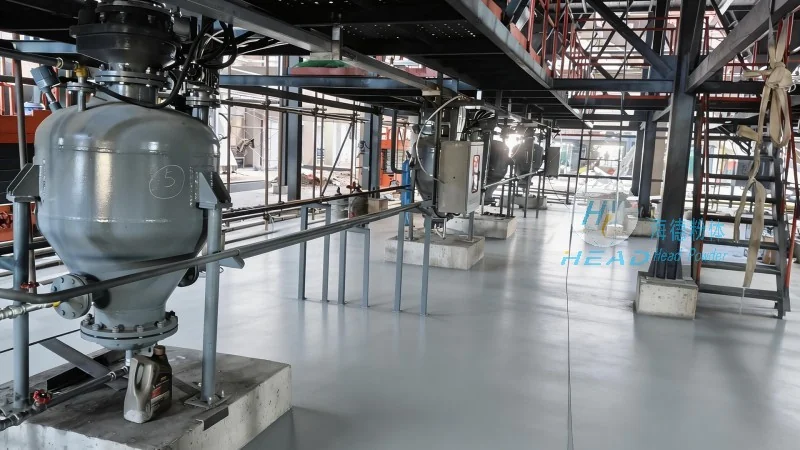
Applications in Pharmaceutical Manufacturing
Pharmaceutical material handling conveyors are widely used in various stages of pharmaceutical manufacturing. In the receiving and storage phase, they help in efficiently moving raw materials from storage areas to production lines. During the production phase, they transport intermediate products between different processing units, such as mixing, filling, and packaging. In the packaging and distribution phase, they assist in moving finished products to packaging lines or storage areas for distribution. These conveyors are also used in quality control processes, where they can transport samples for testing or inspection. The versatility of pharmaceutical conveyors allows them to be integrated into different manufacturing setups, from small-scale batch production to large-scale continuous production lines.
Advantages of Using Pharmaceutical Material Handling Conveyors
Implementing pharmaceutical material handling conveyors offers numerous advantages for pharmaceutical manufacturers. First, they significantly improve operational efficiency by reducing the time and labor required for material handling. Automated conveyors can operate continuously, minimizing downtime and increasing production throughput. Second, they enhance product quality by reducing the risk of human error and product damage. The controlled movement of materials ensures that products are handled gently and consistently, maintaining their integrity and quality. Third, they improve workplace safety by minimizing manual handling and reducing the risk of accidents. The safety features of conveyors, such as guards and emergency stops, protect operators from potential hazards. Fourth, they facilitate compliance with regulatory requirements. The design and operation of pharmaceutical conveyors are typically in line with industry standards like GMP (Good Manufacturing Practice), ensuring that manufacturers meet the necessary regulations for product safety and quality.
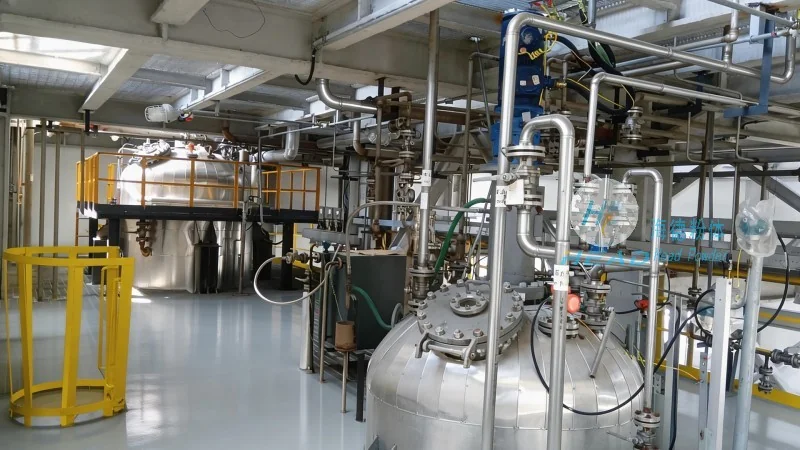
Customization and Integration with Other Systems
Pharmaceutical material handling conveyors can be customized to meet the specific needs of different pharmaceutical facilities. Manufacturers can choose from various conveyor types, such as belt conveyors, chain conveyors, or roller conveyors, depending on the material being transported and the production requirements. The conveyors can also be integrated with other automation systems, such as robotic arms, sorting machines, or labeling equipment, to create a comprehensive material handling solution. Customization may include adjustments to the conveyor speed, length, or width, as well as the addition of specialized features like accumulation zones or diverting mechanisms. This flexibility allows pharmaceutical manufacturers to tailor the conveyor system to their unique production processes, ensuring optimal performance and efficiency.
Maintenance and Upkeep of Pharmaceutical Conveyors
Proper maintenance and upkeep are essential to ensure the longevity and performance of pharmaceutical material handling conveyors. Regular maintenance activities include cleaning and sanitizing the conveyor components, checking for wear and tear, and lubricating moving parts. It is important to follow the manufacturer's guidelines for maintenance to ensure that the conveyor remains in good working condition. Additionally, routine inspections should be conducted to identify any potential issues before they become major problems. Proper maintenance not only extends the life of the conveyor but also ensures that it continues to operate efficiently and safely. In pharmaceutical facilities, where downtime can be costly and potentially impact product quality, regular maintenance is a critical aspect of operations.
Conclusion
Pharmaceutical material handling conveyors are sophisticated systems that play a vital role in modern pharmaceutical manufacturing. By efficiently transporting materials and adhering to stringent design principles, these conveyors help pharmaceutical manufacturers improve operational efficiency, enhance product quality, and ensure compliance with regulatory requirements. The design and functionality of these conveyors are tailored to meet the unique challenges of the pharmaceutical industry, making them an indispensable part of any pharmaceutical production facility. As technology continues to advance, pharmaceutical conveyors are likely to become even more integrated with automation and digital systems, further enhancing their capabilities and contributions to the industry.




