When it comes to efficient waste management and the handling of bulk powders, the automatic feeding powder material conveyor has emerged as a critical piece of equipment. This specialized machinery is designed to automate the process of transporting and feeding powders, particularly in waste processing applications. Understanding what this equipment is and how it operates is essential for those involved in industrial waste management and material handling. In this article, we will delve into the concept of an automatic feeding powder material conveyor for waste, examining its design principles and the role it plays in modern waste processing operations.
Introduction to Automatic Feeding Powder Material Conveyors
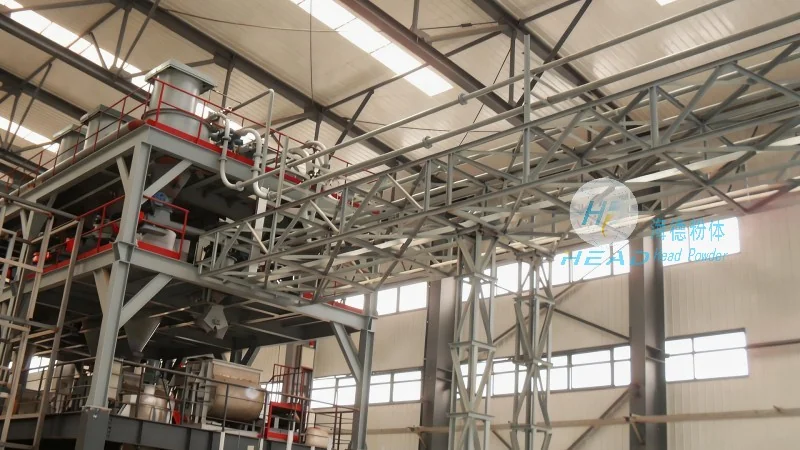
An automatic feeding powder material conveyor is a sophisticated system engineered to handle the transportation and feeding of bulk powders, often in waste management scenarios. Unlike traditional manual or semi-automatic systems, this equipment operates with minimal human intervention, leveraging advanced mechanisms to ensure consistent and reliable material flow. The primary function of such a conveyor is to take raw or processed powders and deliver them to the next stage of processing, such as compaction, sorting, or further treatment. This automation not only enhances operational efficiency but also improves safety by reducing the need for workers to handle potentially hazardous materials directly.
Key Components and Design of the Conveyor System
The design of an automatic feeding powder material conveyor is built upon several key components that work in harmony to achieve its objectives. The system typically includes a hopper or feed bin where the waste material is stored, a feeding mechanism (such as a screw feeder or vibratory feeder) that controls the flow of material into the conveyor, and the conveyor itself, which may be a belt, screw, or pneumatic system depending on the material characteristics and application requirements. The feeding mechanism is crucial as it regulates the rate at which material is introduced, ensuring a steady and controlled flow to the conveyor. This control is vital to prevent overloading or underloading, which can lead to inefficiencies or equipment damage.
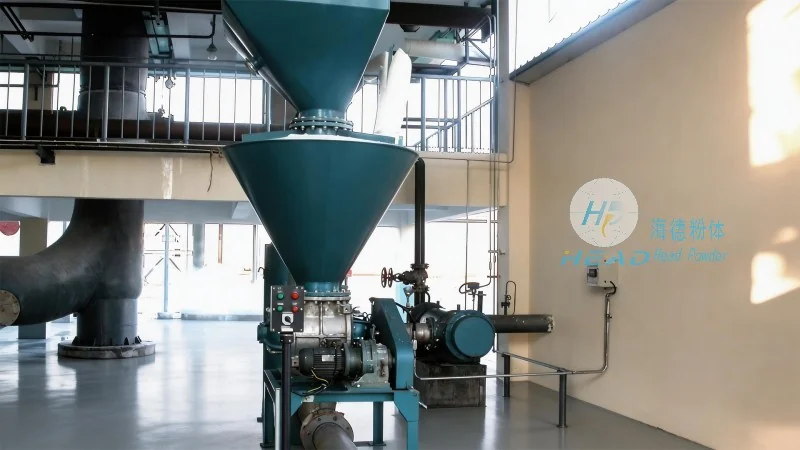
Material handling is a critical aspect of the conveyor's design. The choice of conveyor type (e.g., belt conveyor, screw conveyor, or pneumatic conveyor) is determined by factors like the powder's density, moisture content, and flowability. For waste materials, which can vary widely in composition, a flexible design is essential. The conveyor may incorporate features like adjustable speed controls, variable feed rates, and material sensors to adapt to changing conditions. These features ensure that the system can handle a wide range of waste types, from organic matter to inorganic residues, without compromising performance.
Design Principles for Efficient Waste Processing
The design principles of an automatic feeding powder material conveyor are centered on maximizing efficiency, reliability, and safety. One of the core principles is the use of a closed system to minimize dust emissions and environmental contamination. Many modern designs incorporate dust collection systems and sealed enclosures to comply with environmental regulations and protect the surrounding environment. This is particularly important in waste processing, where powders can be airborne and pose health risks.
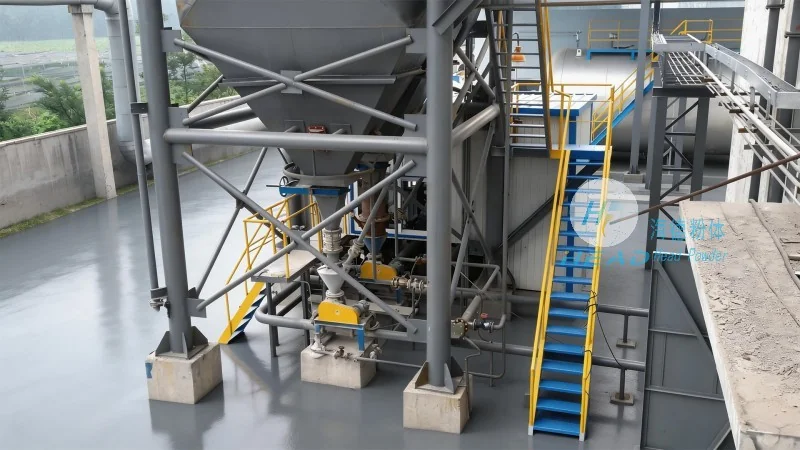
Another key design principle is the integration of automation and control systems. Modern conveyors are equipped with programmable logic controllers (PLCs) and sensors that monitor the system's performance in real-time. These systems can detect blockages, overloads, or other issues and trigger alarms or automatic shutdowns to prevent damage. This level of automation not only enhances operational safety but also reduces downtime by allowing for quick troubleshooting and maintenance.
Efficiency is a primary consideration in the design. The conveyor is engineered to minimize energy consumption while maximizing material throughput. This is achieved through optimized conveyor speeds, reduced friction in moving parts, and efficient feeding mechanisms. The goal is to process the maximum amount of waste with the least amount of energy input, which is both cost-effective and environmentally friendly. Additionally, the design may include features like variable speed drives that adjust the conveyor speed based on the material load, further optimizing energy use.




