For industrial applications requiring the safe and efficient transport of polytetrafluoroethylene (PTFE) powders, specialized equipment like the PTFE powder conveying line is essential. This system is engineered to handle the unique properties of PTFE, which include high chemical resistance, low friction, and thermal stability. Understanding the components and design principles behind such a line is crucial for optimizing performance and ensuring operational safety.
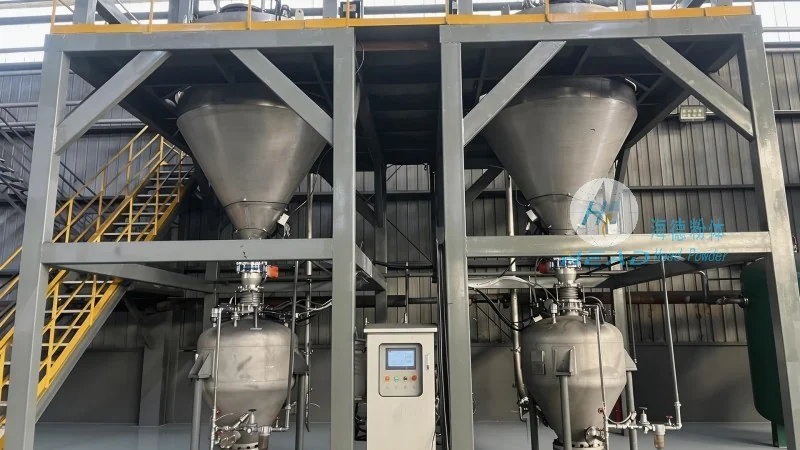
Introduction to PTFE Powder Conveying Lines
PTFE, commonly known as Teflon, is a synthetic fluoropolymer widely used in industries ranging from aerospace to chemical processing due to its exceptional non-stick and corrosion-resistant characteristics. When in powder form, PTFE presents challenges for conventional conveying systems, such as caking, sticking, and the need for low friction surfaces to prevent material degradation. The PTFE powder conveying line addresses these challenges through a combination of specialized components and engineering solutions.
Key Components of a PTFE Powder Conveying Line
The core components of a PTFE powder conveying line typically include a hopper for material storage, a feeding mechanism to control the flow of powder, a conveying system (often using pneumatic or mechanical methods), and a discharge unit for delivering the material to its destination. Each component is designed with PTFE's properties in mind to minimize friction and prevent material buildup.
1. Hopper and Feeding System: The hopper is usually constructed from materials compatible with PTFE, such as stainless steel or PTFE-coated surfaces, to prevent material adhesion. The feeding mechanism, often a rotary valve or a pneumatic feeder, regulates the flow of powder into the conveying line, ensuring consistent and controlled discharge.
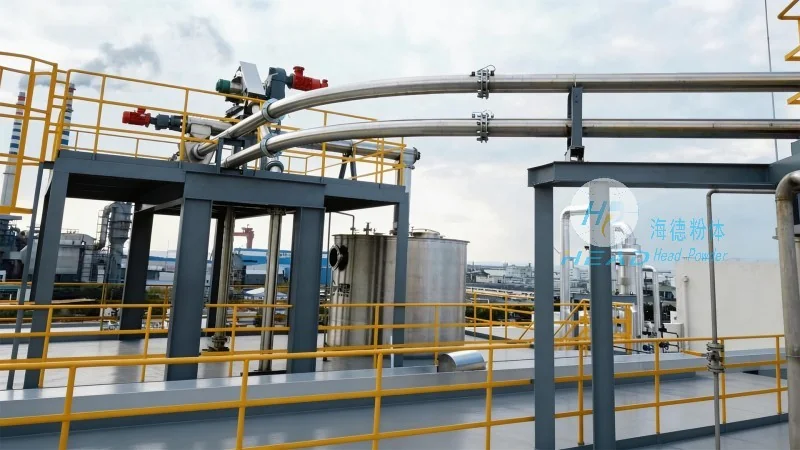
2. Conveying System: The conveying method depends on the application and the properties of the PTFE powder. Pneumatic conveying systems, which use air to transport the powder, are common due to their ability to handle fine powders and reduce material degradation. Mechanical conveying systems, like screw conveyors or belt conveyors, may also be used when higher pressures or larger particle sizes are involved. In both cases, the components are often lined with PTFE or made from low-friction materials to prevent the powder from sticking.
3. Sealing and Leak Prevention: PTFE is known for its non-stick properties, but it can still adhere to surfaces under certain conditions. The conveying line incorporates advanced sealing mechanisms, such as PTFE-coated gaskets or magnetic seals, to prevent leaks and maintain airtight operation. This is critical for maintaining the purity of the PTFE powder and preventing contamination from external sources.
Design Principles for PTFE Powder Conveying Lines
The design of a PTFE powder conveying line follows several key principles aimed at maximizing efficiency, safety, and material integrity. These principles are tailored to the unique characteristics of PTFE and the specific requirements of the application.
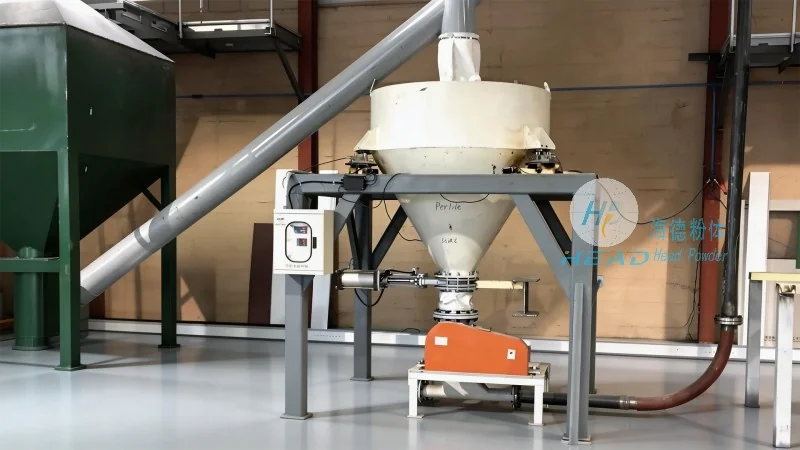
1. Material Compatibility: All components of the conveying line, including hoppers, pipes, and valves, are made from materials that do not react with or degrade PTFE. Stainless steel, PTFE, and other inert materials are commonly used to ensure that the powder remains pure and free from contaminants.
2. Low Friction and Non-Stick Surfaces: To prevent PTFE powder from adhering to surfaces, the internal surfaces of the conveying line are often lined with PTFE or coated with a low-friction material. This reduces the risk of caking and ensures smooth material flow. The design also minimizes sharp edges or corners where powder could accumulate.
3. Airtight and Leak-Proof Construction: PTFE powders are often sensitive to moisture and contaminants. The conveying line is constructed with tight seals and gaskets to maintain an airtight environment, preventing external air or moisture from entering and affecting the powder quality. This is particularly important in applications where the PTFE is used for high-purity purposes, such as in semiconductor manufacturing or pharmaceuticals.
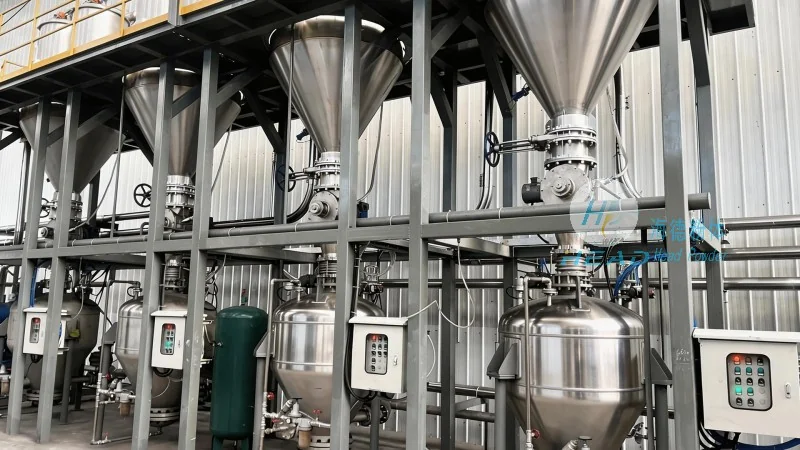
4. Controlled Flow and Pressure Management: The system includes controls to regulate the flow rate and pressure within the conveying line. This helps prevent overloading or excessive pressure that could lead to material degradation or equipment damage. Proper pressure management ensures that the PTFE powder is transported efficiently without causing blockages or leaks.
Applications and Benefits of PTFE Powder Conveying Lines
PTFE powder conveying lines are used in a variety of industries where the properties of PTFE are critical. These include chemical processing, pharmaceutical manufacturing, aerospace, and electronics. The benefits of using such a system include improved material handling efficiency, reduced downtime due to caking or blockages, and enhanced product purity. By ensuring that PTFE powders are transported without degradation or contamination, these systems contribute to higher quality end products and operational reliability.
Conclusion
A PTFE powder conveying line is a specialized piece of equipment designed to handle the unique challenges of transporting polytetrafluoroethylene powders. Through careful consideration of material compatibility, low-friction surfaces, and airtight construction, these systems ensure efficient and safe operation. For industries relying on PTFE for its exceptional properties, investing in a well-designed conveying line is essential for maintaining product quality and operational efficiency. Shandong HeadPowder Engineering Co., Ltd., a leading provider of such systems, specializes in creating customized solutions tailored to the specific needs of their clients, ensuring optimal performance and reliability in PTFE powder handling applications.




