Dry mix mortar material handling systems are essential components in the construction and building materials industry, facilitating the efficient transport and distribution of dry mortar mixes. These systems are designed to handle bulk materials with precision, ensuring consistent quality and minimal waste. For professionals in the field, understanding the core design principles behind such systems is crucial for optimizing operational efficiency and meeting project demands.
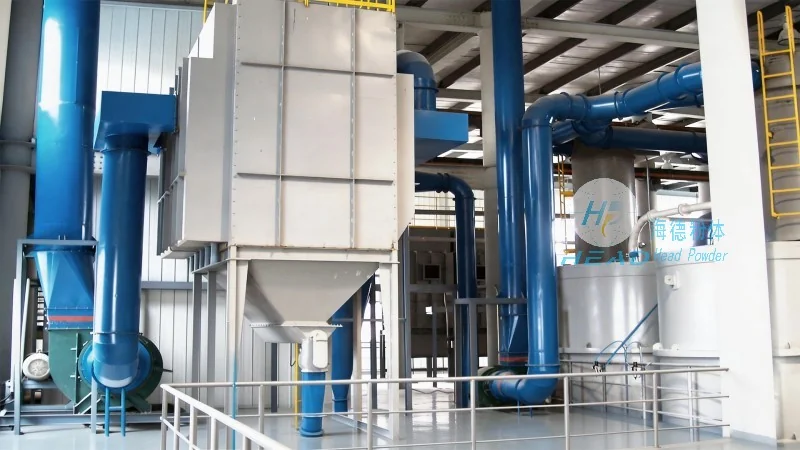
Key Components of a Dry Mix Mortar Material Handling System
At the heart of a dry mix mortar material handling system are several critical components that work in tandem to ensure smooth operation. The primary elements include feed hoppers, conveyor systems (such as screw conveyors or belt conveyors), storage silos, and discharge mechanisms. Each component is engineered to handle the specific characteristics of dry mortar, including its particle size, density, and flow properties. For instance, feed hoppers are designed to evenly distribute the material into the conveyor, while storage silos provide a controlled environment to prevent moisture absorption and maintain material integrity. The conveyor system then transports the mortar to the desired location, whether it's a mixing plant, a construction site, or a storage facility. This integrated approach ensures that the material is handled safely and efficiently throughout the entire process.
Design Principles for Optimal Performance
The design of a dry mix mortar material handling system is guided by several key principles aimed at maximizing efficiency, reliability, and safety. One of the fundamental principles is the minimization of material degradation during transport. This is achieved through the use of appropriate conveyor materials and gentle handling mechanisms, such as slow-speed screw conveyors, which prevent the agglomeration or breakdown of the mortar particles. Another critical principle is the control of moisture content, as even small amounts of moisture can significantly affect the performance of the mortar. Therefore, systems often incorporate drying or dehumidification features to maintain the material's dryness. Additionally, the design emphasizes energy efficiency, with components optimized to reduce power consumption while maintaining high throughput. The integration of sensors and monitoring systems is also a key design principle, allowing for real-time tracking of material levels, flow rates, and system performance. This data-driven approach enables operators to make informed decisions and quickly address any issues that may arise, further enhancing the system's reliability.
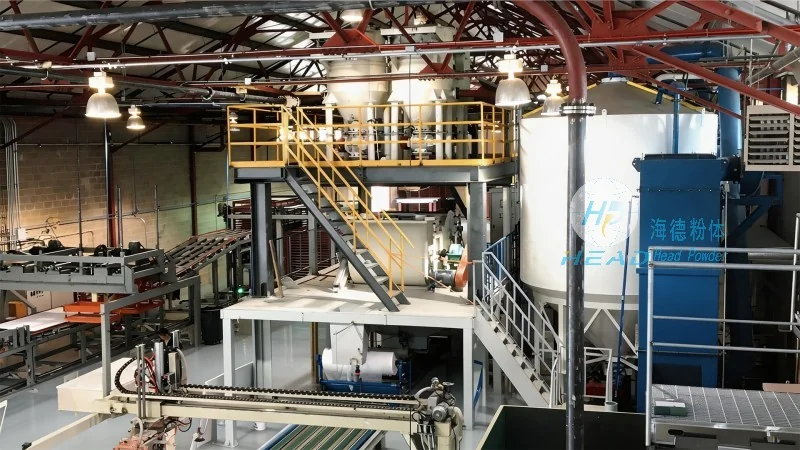
About Shandong HeadPowder Engineering Co., Ltd.
HeadPowder, a leading manufacturer in the field, specializes in the design, manufacturing, and supply of advanced dry mix mortar material handling systems. With a strong commitment to innovation and quality, HeadPowder has established itself as a trusted partner for construction companies and material suppliers worldwide. The company's headquarters is located in Shandong, China, where its state-of-the-art facilities and experienced engineering team work tirelessly to develop cutting-edge solutions tailored to the unique needs of each client. HeadPowder's products are known for their durability, efficiency, and compliance with international standards, making them a preferred choice for projects ranging from small-scale residential construction to large-scale commercial developments.
Benefits of Using a Dry Mix Mortar Material Handling System
Implementing a dry mix mortar material handling system offers numerous benefits for construction and material handling operations. One of the most significant advantages is the improved consistency of the mortar. By handling the material in its dry state, the system ensures that each batch is uniform in composition, leading to better performance and reduced waste. This consistency is particularly important for projects where precise material properties are critical, such as in masonry or plaster applications. Another benefit is the enhanced safety and hygiene. Dry handling systems eliminate the need for wet mixing, which can create slippery surfaces and increase the risk of accidents. Additionally, they reduce the exposure of workers to dust and other airborne particles, promoting a healthier work environment. From an operational perspective, these systems offer greater flexibility and scalability. They can be easily integrated into existing production lines or expanded to accommodate increased demand, providing a long-term solution for growing businesses. The efficiency gains from these systems also translate into cost savings, as they reduce labor costs associated with manual handling and minimize material losses due to spoilage.
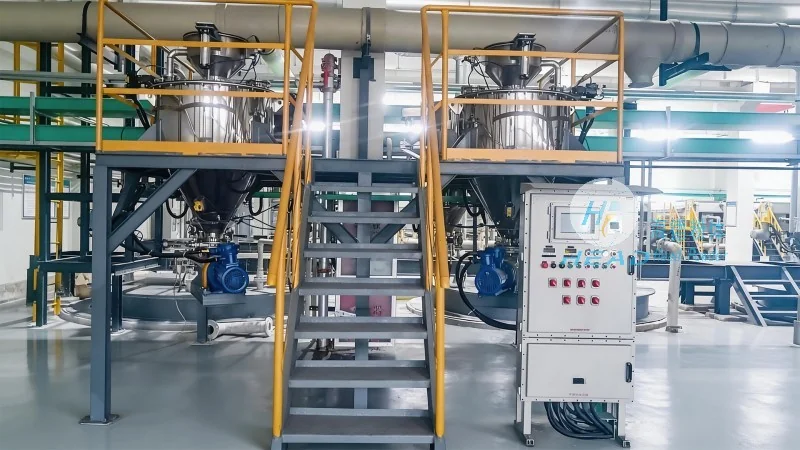
Applications in the Construction Industry
Dry mix mortar material handling systems find wide applications across various sectors of the construction industry. In masonry work, these systems are used to transport and distribute mortar to bricklayers and plasterers, ensuring a steady supply of material on-site. This is particularly beneficial for large-scale projects where the demand for mortar is high and consistent. Similarly, in the production of precast concrete components, dry mix mortar systems play a crucial role in delivering the required materials to mixing plants and casting stations. The systems also support the manufacturing of plaster and render products, where the quality and consistency of the mortar are paramount. Furthermore, they are used in industrial settings, such as in the production of dry mix adhesives and sealants, where the material handling process must be precise to maintain product quality. By providing a reliable and efficient means of material transport, these systems contribute to the overall productivity and success of construction projects.
Conclusion
Understanding the design principles and applications of dry mix mortar material handling systems is essential for anyone involved in the construction and building materials industry. These systems offer a range of benefits, from improved material consistency and safety to enhanced operational efficiency. As the demand for high-quality construction materials continues to grow, the importance of reliable material handling solutions cannot be overstated. Companies like Shandong HeadPowder Engineering Co., Ltd. are at the forefront of developing advanced systems that meet these evolving needs, ensuring that construction projects are completed efficiently and to the highest standards. By investing in such systems, businesses can gain a competitive edge and deliver superior results in their projects.




