Resin material handling equipment plays a crucial role in modern industrial processes, ensuring efficient and safe transportation of resin materials from one point to another. Understanding these systems is essential for optimizing production lines and maintaining operational efficiency. This article will explore what resin material handling equipment is and delve into the design principles that underpin their functionality.
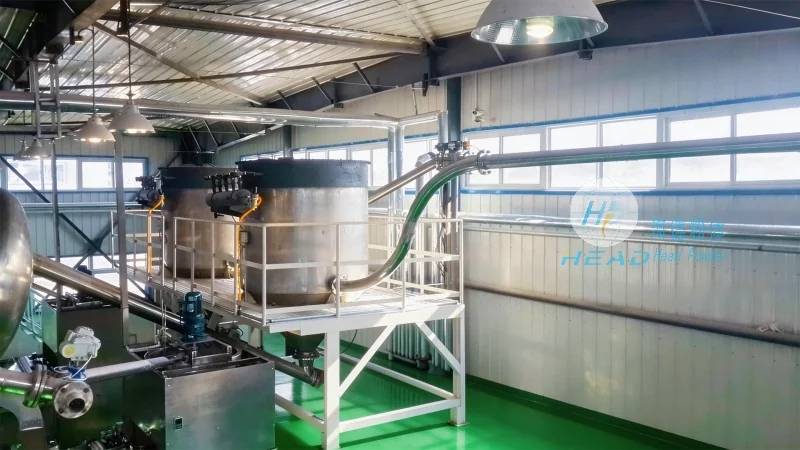
HeadPowder, a leading manufacturer based in Shandong, China, specializes in the design and production of advanced resin material handling solutions. With a strong commitment to quality and innovation, the company has established itself as a trusted partner for industries relying on reliable material transport systems.
Types of Resin Material Handling Equipment
Resin material handling equipment encompasses a variety of machinery designed to handle different types of resin materials, including powders, pellets, and granules. Common types include belt conveyors, screw conveyors, pneumatic conveyors, and bucket elevators. Each type is selected based on the specific characteristics of the resin material, such as its density, flowability, and moisture content, as well as the operational requirements of the production environment.
Design Principles for Resin Material Handling Equipment
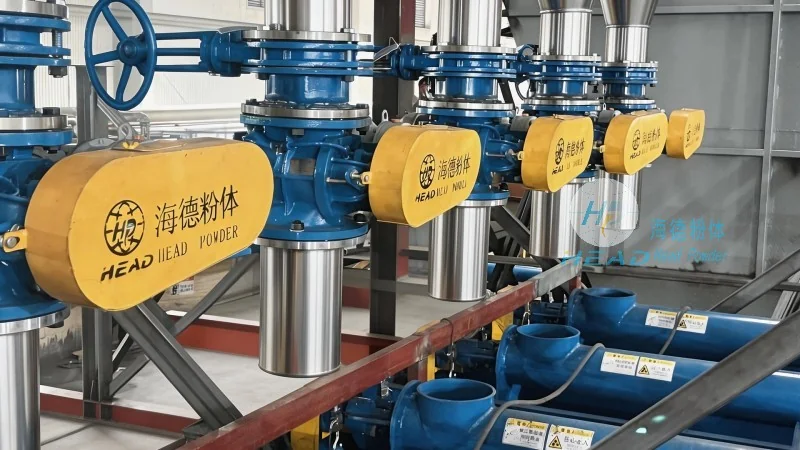
The design of resin material handling equipment follows several key principles aimed at maximizing efficiency, safety, and durability. First, the equipment must be constructed from materials that are resistant to corrosion and wear, as resin materials can be abrasive and may contain chemicals that could damage standard equipment. Stainless steel and specialized alloys are commonly used for this purpose. Second, the design must consider the flow characteristics of the resin material, ensuring that the equipment can handle the material's bulk density and prevent issues like clogging or bridging. This involves careful selection of conveyor angles, screw pitch, and air pressure in pneumatic systems. Third, the equipment should be designed for easy maintenance and cleaning, as resin materials can adhere to surfaces and require regular upkeep to maintain performance. Features like removable components, easy-to-clean surfaces, and automated cleaning systems are often incorporated into the design. Finally, the equipment must meet safety standards, including proper guarding to prevent accidental contact with moving parts and compliance with local regulations regarding material handling.
How Resin Material Handling Equipment Works
Belt conveyors, for example, use a continuous belt to transport resin materials horizontally or at a slight incline. The belt is driven by a motor, and the material is placed on the belt and moves along its path. Screw conveyors utilize a rotating screw to push the resin material forward, making them suitable for vertical or inclined transport. Pneumatic conveyors use compressed air to create a flow of resin material through a pipeline, which is ideal for transporting fine powders over longer distances. Bucket elevators use a series of buckets attached to a chain or belt to lift resin material vertically, often used in feed systems for processing plants. Each type of equipment operates based on these principles, adapting to the specific needs of the resin material and the production process.
Applications in Industrial Settings
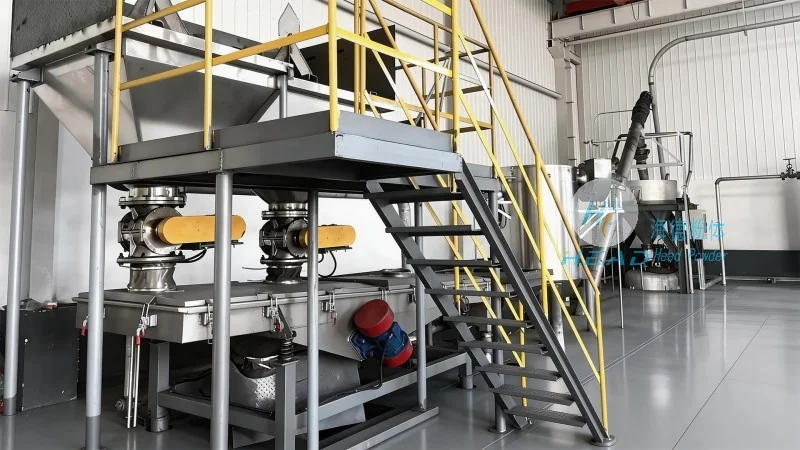
Resin material handling equipment is widely used in various industries, including plastics manufacturing, chemical processing, and food processing. In the plastics industry, these systems are essential for transporting resin pellets from storage silos to extrusion machines, ensuring a steady supply of material for production. In chemical processing, they help move resin powders between processing stages, such as from reactors to filtration units. The equipment's ability to handle different resin types and maintain consistent flow rates makes it indispensable in these applications. Additionally, the design flexibility allows for integration into existing production lines, minimizing downtime and maximizing productivity.
Maintenance and Operational Considerations
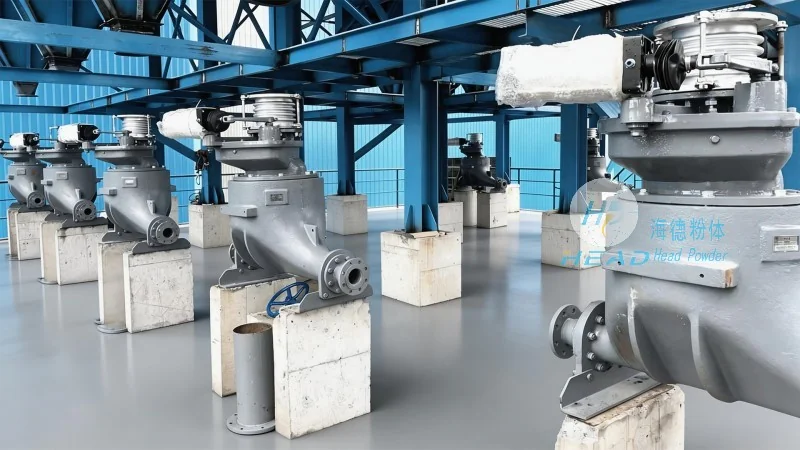
Proper maintenance is critical to the longevity and performance of resin material handling equipment. Regular inspections should be conducted to check for wear and tear on components like belts, screws, and buckets. Lubrication of moving parts is essential to reduce friction and prevent overheating. Cleaning the equipment after each use helps prevent resin buildup, which can affect flow and cause clogging. HeadPowder provides comprehensive maintenance services and spare parts to ensure that their equipment operates at peak efficiency. By following these maintenance practices, industries can extend the lifespan of their equipment and avoid costly downtime.
Conclusion
Resin material handling equipment is a vital component of modern industrial operations, enabling efficient and safe transport of resin materials. The design principles, including material selection, flow consideration, and safety features, ensure that these systems meet the demands of various applications. HeadPowder, with its expertise and commitment to quality, continues to provide reliable solutions that help industries optimize their production processes. By understanding the functionality and design of these equipment, businesses can make informed decisions to enhance their operational efficiency and productivity.




