Calcium carbide slag, a byproduct of the calcium carbide production process, poses unique challenges in material handling due to its high moisture content, abrasive nature, and potential for chemical reactivity. Efficient and reliable equipment is essential for managing this material, ensuring safety, and optimizing industrial processes. This article explores the key aspects of calcium carbide slag material handling equipment, focusing on their design principles and operational considerations.
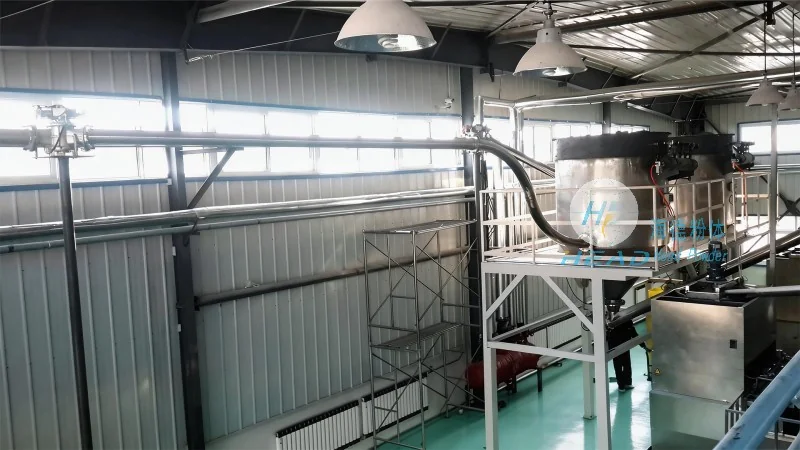
Introduction to Calcium Carbide Slag Material Handling Equipment
Calcium carbide slag, also known as calcium carbide residue, is a solid waste generated during the production of calcium carbide, a chemical compound used in various industrial applications such as steelmaking, chemical synthesis, and the production of acetylene gas. The handling of this material requires specialized equipment due to its physical and chemical properties. Traditional methods like manual handling or basic conveyor systems often fall short in addressing the challenges posed by calcium carbide slag, leading to inefficiencies, safety hazards, and equipment wear. Therefore, the development of dedicated material handling equipment for calcium carbide slag has become a critical area in industrial engineering.
HeadPowder Engineering: A Leader in Material Handling Solutions
Shandong HeadPowder Engineering Co., Ltd., a prominent manufacturer based in China, specializes in the design, development, and production of advanced material handling equipment tailored to the needs of various industries. With a strong commitment to innovation and quality, HeadPowder has established itself as a trusted partner for clients seeking reliable solutions for handling challenging materials like calcium carbide slag. The company’s expertise lies in understanding the unique characteristics of different materials and translating them into robust, efficient, and safe handling systems.
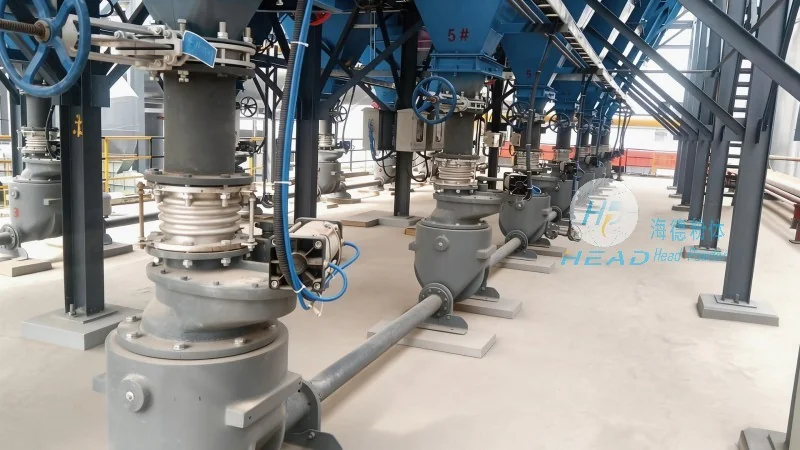
Design Principles of Calcium Carbide Slag Material Handling Equipment
The design of calcium carbide slag material handling equipment is guided by several key principles aimed at addressing the material’s properties and operational requirements. First, the equipment must be capable of handling high moisture content and abrasive particles without excessive wear or breakdown. This often involves the use of heavy-duty components such as hardened steel parts, wear-resistant linings, and robust drive systems. Second, the design prioritizes safety, considering the potential chemical reactivity of calcium carbide slag and the need to prevent exposure to workers. Features like enclosed systems, proper ventilation, and protective barriers are integral to ensuring a safe working environment. Third, efficiency is a critical design consideration, with equipment optimized for high throughput and minimal downtime. This includes the use of efficient drive mechanisms, optimized conveyor geometry, and integrated control systems that enhance operational performance.
Key Components and Features of the Equipment
The calcium carbide slag material handling equipment typically consists of several key components that work in concert to achieve effective material transport. The primary components include feeders, conveyors, and discharge mechanisms, each designed to handle the specific characteristics of calcium carbide slag. Feeders are used to uniformly distribute the material into the conveyor system, ensuring consistent flow and preventing blockages. Conveyors, often belt or screw-type, are engineered to withstand the abrasive nature of the slag and maintain smooth operation. The discharge mechanism, such as a chute or hopper, safely directs the material to its destination, minimizing spillage and ensuring proper disposal or further processing. Additionally, the equipment may include control systems that monitor parameters like temperature, moisture content, and flow rate, providing real-time feedback and allowing for adjustments to maintain optimal performance.
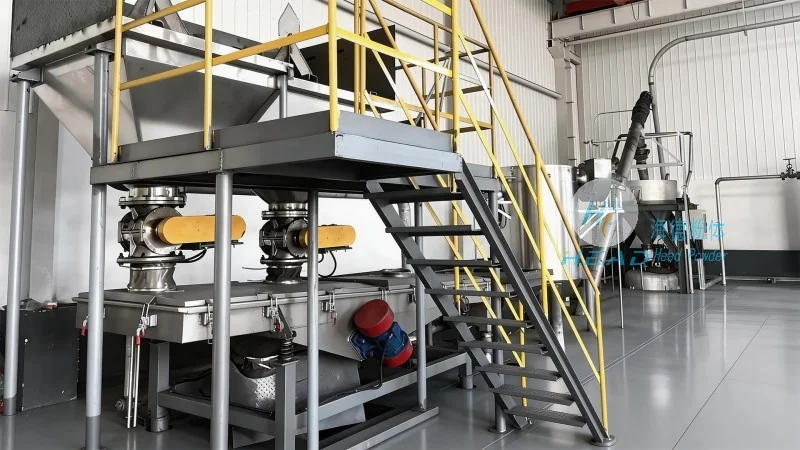
Operational Considerations and Maintenance
Proper operation and maintenance of calcium carbide slag material handling equipment are essential for maximizing its lifespan and efficiency. Regular maintenance, including inspections of wear parts, lubrication of moving components, and cleaning of the system, is crucial to prevent breakdowns and ensure consistent performance. Operational considerations also include the proper handling of the material to avoid clogging or damage to the equipment. For example, pre-drying or conditioning of the slag before feeding into the system can improve flow characteristics and reduce wear on the equipment. Additionally, training of operators on the safe and efficient use of the equipment is vital to minimize risks and maximize productivity.
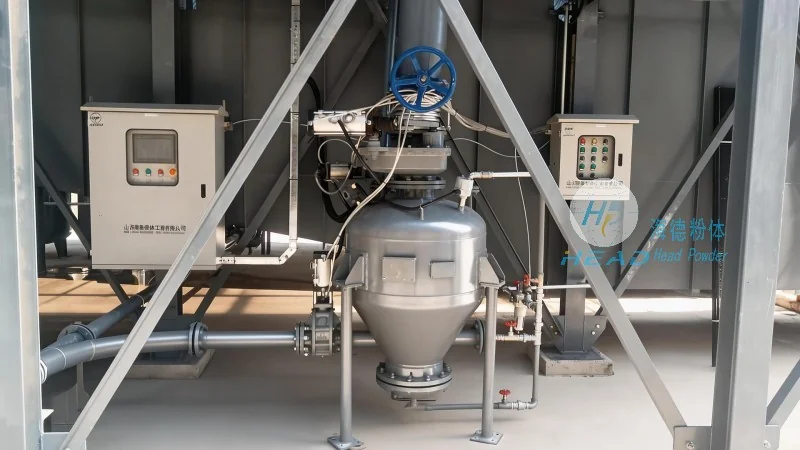
Applications and Industries
Calcium carbide slag material handling equipment is widely used in various industries where calcium carbide is processed or used as a raw material. These include the steel industry, where slag is sometimes used as a flux in steelmaking processes, and the chemical industry, where it may be used in the production of other chemicals. Other applications include the treatment of the slag as a byproduct, where it may be disposed of or repurposed in construction materials. The versatility of the equipment allows it to adapt to different operational requirements and material characteristics, making it a valuable asset in industrial settings.
Conclusion
In conclusion, calcium carbide slag material handling equipment plays a vital role in managing this challenging industrial byproduct. The design principles and components of such equipment are tailored to address the unique properties of calcium carbide slag, ensuring efficient, safe, and reliable operation. Companies like Shandong HeadPowder Engineering Co., Ltd. continue to innovate in this field, providing advanced solutions that meet the evolving needs of industries. By understanding the design principles and operational considerations of these systems, industries can effectively manage calcium carbide slag, reducing waste, improving safety, and optimizing their overall processes.




