The efficient and safe handling of lead powder is a critical concern in industries where lead-based materials are processed, such as battery manufacturing, recycling, and chemical production. Lead powder material handling equipment plays a pivotal role in ensuring that these processes are carried out with minimal risk of contamination, dust exposure, and operational inefficiencies. This article explores the fundamental aspects of lead powder material handling equipment, focusing on its design principles and the key elements that make it effective for industrial applications.
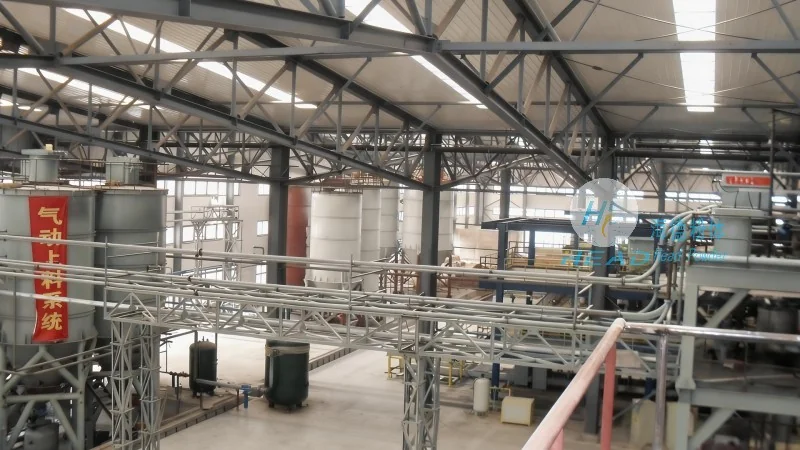
HeadPowder, a leading manufacturer based in Shandong, China, specializes in the design, development, and production of specialized equipment for handling hazardous and fine powders, including lead powder. With years of experience in the field, the company has developed robust solutions that adhere to strict safety and environmental standards, ensuring reliable performance in demanding industrial environments.
Lead Powder Material Handling Equipment: An Overview
Lead powder material handling equipment is specifically engineered to transport, store, and process lead powder in a controlled manner. Unlike conventional bulk material handling systems, these devices are designed to minimize dust generation, prevent lead exposure, and maintain product purity. The equipment typically includes components such as hoppers, feeders, conveyors, and dust collection systems, all integrated to form a cohesive system that meets the unique requirements of lead powder handling.
The Core Components and Design Principles of Lead Powder Handling Systems
The design of lead powder material handling equipment is guided by several key principles to ensure safety, efficiency, and compliance with industry regulations. One of the primary design principles is the use of enclosed systems to contain lead dust and prevent it from escaping into the environment. This is achieved through the incorporation of sealed hoppers, airtight conveyors, and efficient dust collection mechanisms. Additionally, the equipment is constructed from materials that are resistant to corrosion and wear, such as stainless steel or specialized alloys, to withstand the abrasive nature of lead powder.
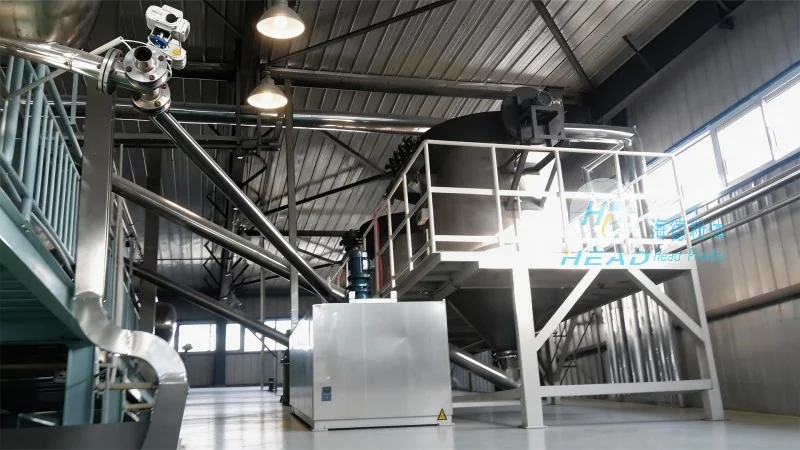
Another critical design principle is the control of material flow and velocity. Lead powder is a fine, cohesive material that can easily clog or bridge in traditional conveying systems. To address this, lead powder handling equipment often incorporates specialized feeders, such as rotary valves or vibratory feeders, which ensure a consistent and controlled flow of material. The design also emphasizes the use of low-velocity conveying to reduce the risk of material degradation and equipment wear.
Key Features and Technical Specifications of Lead Powder Conveying Equipment
Lead powder conveying equipment from HeadPowder is equipped with several features that enhance its performance and reliability. For instance, the equipment utilizes a combination of gravity and mechanical conveying methods to minimize energy consumption while maintaining high throughput. The hoppers are designed with sloped walls to prevent material bridging and ensure smooth discharge. The conveyors are equipped with adjustable speed controls, allowing operators to optimize the flow rate based on the specific requirements of the process.
Technical specifications of the lead powder handling systems include parameters such as the maximum material capacity, conveying distance, and dust collection efficiency. The systems are typically designed to handle lead powder with a particle size ranging from 0.1 to 200 microns, ensuring compatibility with various applications. The dust collection systems are equipped with high-efficiency filters that capture 99.9% of airborne particles, meeting stringent environmental regulations.
Application Scenarios and Operational Benefits
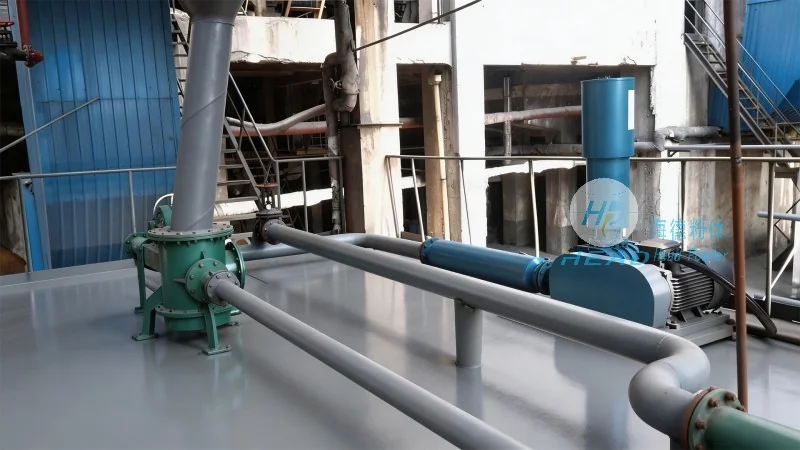
Lead powder material handling equipment is widely used in several industrial applications, including the production of lead-acid batteries, lead recycling facilities, and chemical processing plants. In battery manufacturing, the equipment is used to transport lead powder from storage to the mixing and casting stages, ensuring a consistent and clean material supply. In recycling operations, the equipment helps in the separation and transport of lead-containing materials, facilitating the recovery process.
The operational benefits of using specialized lead powder handling equipment include improved safety for workers, reduced lead exposure, and enhanced product quality. By containing dust and preventing contamination, the equipment minimizes the risk of health hazards associated with lead exposure. Additionally, the efficient design of the systems leads to lower operational costs through reduced maintenance and energy consumption.
In conclusion, lead powder material handling equipment is a vital component in industries that rely on lead-based materials. The design principles and features of these systems are tailored to address the unique challenges of handling fine, hazardous powders like lead. Companies like Shandong HeadPowder Engineering Co., Ltd. play a crucial role in providing reliable and safe equipment that meets the demands of modern industrial processes. By investing in specialized lead powder handling systems, industries can enhance operational efficiency, ensure worker safety, and comply with environmental regulations.




