When it comes to transporting aggregates such as sand and gravel, selecting the right conveying method is crucial for efficiency and cost-effectiveness in construction and industrial applications. Various technologies are available, each with its own set of advantages and limitations. This article explores the common types of aggregate conveying methods and focuses on the benefits and features of pneumatic conveying, a popular choice for many industries.
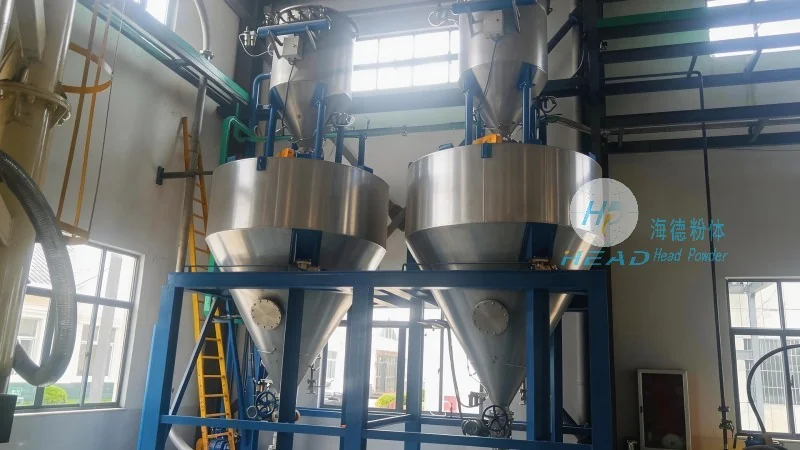
Overview of Aggregate Conveying Methods
Aggregate conveying involves moving bulk materials like sand, gravel, and crushed stone from one location to another. The primary goal is to achieve this transfer with minimal energy consumption, minimal material degradation, and maximum operational reliability. Traditional methods include belt conveyors, screw conveyors, and bucket elevators, while modern solutions like pneumatic conveying offer advanced capabilities.
Types of Conveying Systems for Aggregates
1. Belt Conveyors: These are the most common type of bulk material handling equipment. Belt conveyors use a continuous belt to transport materials horizontally or at a slight incline. They are ideal for long-distance and high-volume transport but may require significant space and maintenance. The belt material and tensioning system are critical factors affecting performance and durability.
2. Screw Conveyors: Also known as auger conveyors, these systems use a rotating screw to push materials forward. Screw conveyors are suitable for vertical or inclined transport and can handle a wide range of materials, including dry or slightly wet aggregates. However, they may cause material degradation due to friction and are less efficient for high-volume, long-distance transport compared to belt conveyors.
3. Bucket Elevators: These vertical or inclined conveyors use buckets attached to a chain or belt to lift materials. Bucket elevators are effective for vertical transport and can handle materials with high moisture content or those that are prone to clogging. They are commonly used in feed mills and cement plants but may have limitations in terms of material size and throughput.
Pneumatic Conveying: Advantages and Features
Pneumatic conveying, also known as air conveying, uses compressed air to transport dry bulk materials through a pipeline. This method is particularly suitable for aggregates due to its ability to handle fine powders and granular materials efficiently. The key advantages of pneumatic conveying for aggregates include:
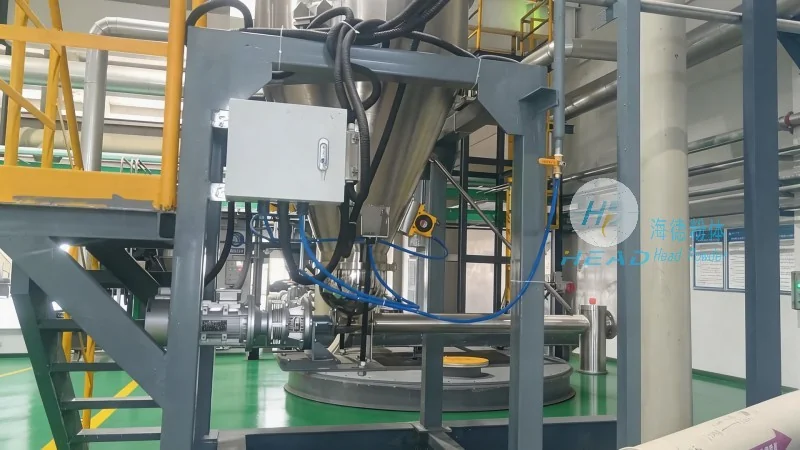
1. High Efficiency and Speed: Pneumatic systems can transport materials at high speeds, often achieving throughput rates that exceed those of traditional methods. The use of compressed air allows for rapid movement of aggregates, reducing overall processing time.
2. Flexibility and Versatility: Pneumatic conveying systems can be easily reconfigured to handle different materials and transport routes. They can be installed in various orientations (horizontal, vertical, or inclined) and can connect multiple points in a facility, providing greater operational flexibility.
3. Minimal Material Degradation: Unlike mechanical systems that rely on friction and abrasion, pneumatic conveying uses air pressure to move materials. This reduces the risk of material breakage or degradation, preserving the quality of aggregates for construction applications.
4. Reduced Maintenance and Downtime: Pneumatic systems have fewer moving parts compared to mechanical conveyors, leading to lower maintenance requirements and longer service intervals. This results in reduced downtime and lower operational costs over the system's lifespan.
5. Improved Safety and Hygiene: By eliminating the need for open conveyors and manual handling, pneumatic systems enhance workplace safety. They also help maintain a cleaner environment by containing dust and preventing material spillage.
Features of Pneumatic Conveying Systems
Modern pneumatic conveying systems for aggregates are equipped with advanced features that enhance performance and reliability. These include:
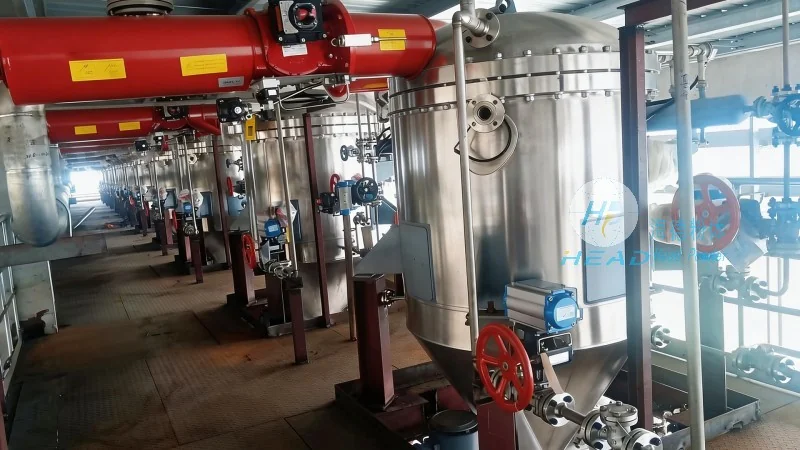
1. Positive Displacement and Negative Pressure Systems: Positive displacement systems use a pump to push air and material through the pipeline, while negative pressure systems use a vacuum to draw material into the system. Both types are available and can be selected based on the specific application and material characteristics.
2. Material Separation and Conditioning: Some systems incorporate features such as cyclones or filters to separate materials from air, ensuring that only dry aggregates are transported. Conditioning units may also be used to adjust moisture content or temperature of the material before transport.
3. Automated Control and Monitoring: Advanced pneumatic systems are equipped with sensors and control panels that allow for real-time monitoring of pressure, flow rate, and material level. This enables operators to adjust system parameters dynamically, optimizing performance and preventing issues such as blockages or overloading.
Conclusion
Choosing the right aggregate conveying method depends on various factors, including the type of material, distance to be transported, and operational requirements. While traditional methods like belt and screw conveyors remain popular, pneumatic conveying offers significant advantages in terms of efficiency, flexibility, and material handling. For industries dealing with sand, gravel, and other aggregates, pneumatic conveying is an excellent choice that can enhance productivity and reduce costs.
Shandong HeadPowder Engineering Co., Ltd., a leading provider of bulk material handling solutions, specializes in designing and manufacturing advanced pneumatic conveying systems tailored to the needs of the construction and industrial sectors. With a focus on innovation and quality, HeadPowder delivers reliable and efficient solutions that meet the highest standards of performance and durability. Located in Shandong, China, HeadPowder serves clients worldwide with expertise in material handling technology and customer support.




