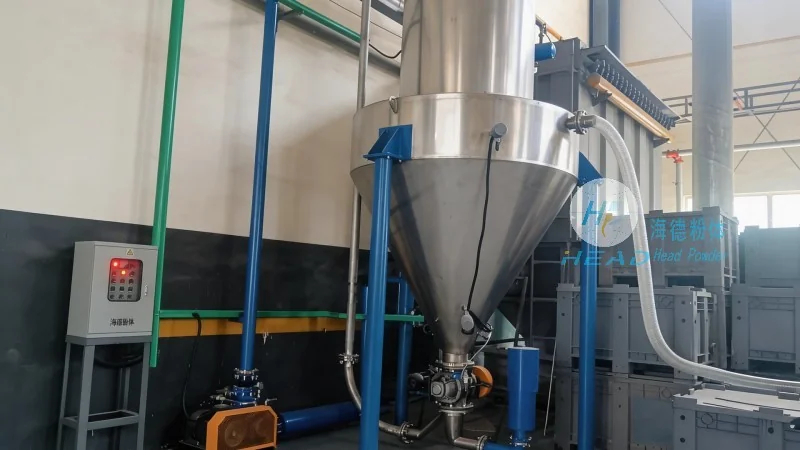
Understanding the various methods for transporting abrasive materials like grit is crucial for industries that rely on efficient and reliable material handling systems. Among the most common and effective techniques is the use of pneumatic conveying systems, which offer significant advantages over traditional methods. This article explores the different types of grit conveyor systems, with a particular focus on the benefits and characteristics of grit pneumatic conveying, as provided by Shandong HeadPowder Engineering Co., Ltd., a leading manufacturer in the field.
Introduction to Grit Conveying Systems
Grit, often used in industrial applications such as sandblasting, water treatment, and construction, requires specialized handling due to its abrasive nature and potential for dust generation. Traditional conveyors like belt or screw conveyors may not be suitable for grit because they can cause wear and tear, leading to increased maintenance costs and operational inefficiencies. Pneumatic conveying systems, on the other hand, provide a more efficient and safe solution by transporting grit through a pressurized or vacuum system using air or other gases.
Types of Grit Conveying Methods
There are several types of grit conveying systems, each designed to meet specific operational requirements. The primary methods include:
1. Dilute Phase Pneumatic Conveying
Dilute phase conveying is the most common type of grit pneumatic system. In this method, the grit is mixed with a large volume of air, creating a low concentration of material in the air stream. This approach is suitable for short to medium distances and is ideal for applications where the material is light and free-flowing. The system operates at relatively low pressure, making it energy-efficient and cost-effective. However, it may not be suitable for long-distance transport or for materials with high moisture content.
2. Dense Phase Pneumatic Conveying
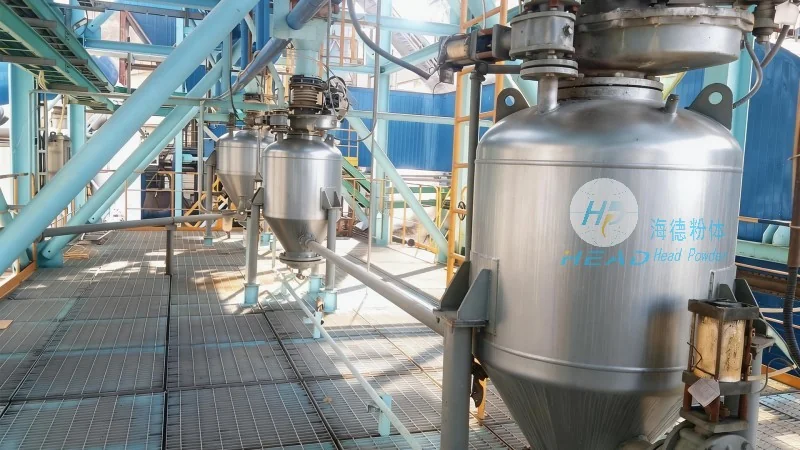
Dense phase conveying, also known as low-pressure or positive displacement conveying, is used for longer distances and for materials that are more abrasive or have higher moisture content. In this method, the grit is conveyed in a higher concentration, often with a higher air-to-material ratio compared to dilute phase systems. The system uses a positive displacement pump or compressor to maintain a higher pressure, ensuring that the material moves more slowly and with less wear on the system components. This method is particularly effective for transporting grit over longer distances without significant degradation of the material.
3. Vacuum Conveying
Vacuum conveying systems use a vacuum to draw the grit from a source and transport it to a destination. This method is ideal for applications where the material needs to be collected from multiple points or where the system is located in a confined space. Vacuum systems are often used for short to medium distances and are particularly effective for handling fine or powdery grit. They are also less likely to cause dust explosions compared to pressure systems, making them a safer option for certain industrial environments.
4. Pressure Conveying
Pressure conveying systems use compressed air to push the grit through the conveying line. This method is suitable for longer distances and for materials that are more dense or have higher moisture content. The system operates at higher pressures, ensuring that the material moves more quickly and with less risk of clogging. However, pressure systems require more energy and may be more expensive to install and maintain compared to vacuum systems. They are often used in applications where the material needs to be transported over long distances or where the system is located in an open area.
Advantages of Grit Pneumatic Conveying
Compared to traditional conveyor systems, grit pneumatic conveying offers several key advantages that make it the preferred choice for many industries. The primary benefits include:
1. Reduced Wear and Tear
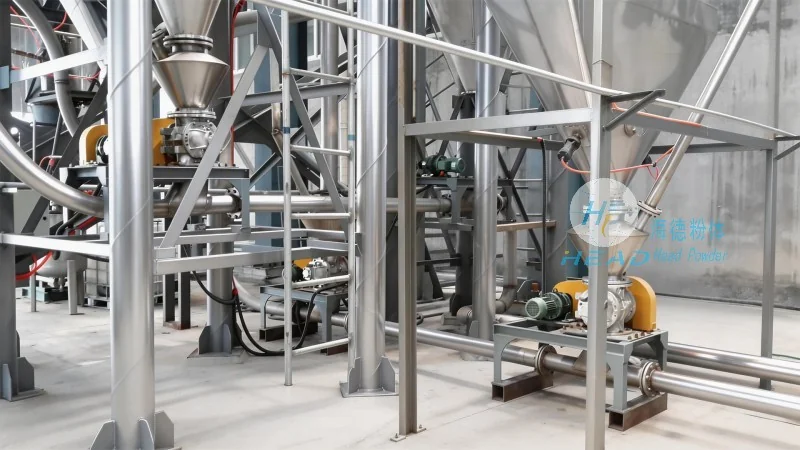
One of the most significant advantages of pneumatic conveying is the reduced wear and tear on system components. Unlike belt or screw conveyors, which rely on physical contact between the material and the conveyor, pneumatic systems use air to transport the grit, minimizing friction and abrasion. This results in lower maintenance costs and longer equipment life, making it a more cost-effective solution in the long run.
2. Improved Safety
Grit pneumatic systems are generally safer to operate compared to traditional conveyors. The enclosed system reduces the risk of dust exposure and dust explosions, which are common hazards in grit handling operations. Additionally, the system is less likely to cause material spillage or contamination, ensuring a cleaner and more hygienic working environment.
3. Energy Efficiency
Pneumatic conveying systems are often more energy-efficient than traditional conveyors, especially for short to medium distances. The use of air as the conveying medium reduces the need for heavy machinery and reduces energy consumption. This not only lowers operational costs but also contributes to a more sustainable and environmentally friendly operation.
4. Versatility
Grit pneumatic systems are highly versatile and can be adapted to meet a wide range of operational requirements. They can be used for short or long distances, for various types of grit materials, and for different industrial applications. The system can be easily modified to accommodate changes in production volume or material characteristics, making it a flexible solution for growing businesses.
Features of Grit Pneumatic Conveying Systems
In addition to the advantages mentioned above, grit pneumatic conveying systems offer several key features that enhance their performance and reliability. These features include:
1. Customizable Design
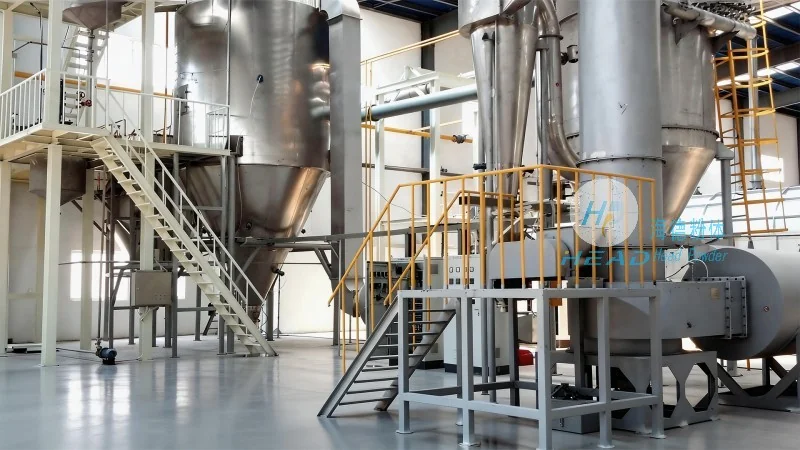
Shandong HeadPowder Engineering Co., Ltd. specializes in designing and manufacturing customized grit pneumatic conveying systems to meet the specific needs of their clients. The company offers a range of options, including different types of pumps, compressors, and conveying lines, allowing clients to choose the most suitable system for their application. The customizable design ensures that the system is optimized for maximum efficiency and minimal maintenance.
2. Advanced Control Systems
The company's grit pneumatic systems are equipped with advanced control systems that allow for precise control of the conveying process. These systems can monitor and adjust the pressure, flow rate, and material level in real-time, ensuring that the system operates at optimal performance levels. The advanced control features also help to prevent system failures and reduce downtime, improving overall operational efficiency.
3. High Material Transfer Efficiency
Grit pneumatic conveying systems are designed to achieve high material transfer efficiency, ensuring that the maximum amount of grit is transported from the source to the destination. The system uses a combination of air pressure and material flow control to minimize material loss and maximize throughput. This high efficiency is particularly important for industries that rely on consistent and reliable material handling, such as sandblasting and water treatment.
Conclusion
Grit pneumatic conveying is a highly effective and efficient method for transporting abrasive materials like grit. The various types of conveying systems, including dilute phase, dense phase, vacuum, and pressure systems, offer different advantages and are suitable for different operational requirements. The advantages of pneumatic conveying, such as reduced wear and tear, improved safety, energy efficiency, and versatility, make it the preferred choice for many industries. Shandong HeadPowder Engineering Co., Ltd. provides high-quality, customized grit pneumatic conveying systems that are designed to meet the specific needs of their clients, ensuring optimal performance and reliability.




