Artificial graphite, a material widely used in various industrial applications due to its excellent electrical conductivity, thermal stability, and chemical resistance, requires efficient and reliable delivery methods for seamless integration into production processes. The choice of delivery method significantly impacts operational efficiency, safety, and overall system performance. Among the various options available, artificial graphite pneumatic conveying stands out as a preferred solution for many industries. This article provides an overview of the key delivery methods for artificial graphite and highlights the advantages and features of artificial graphite pneumatic conveying.
Understanding the Delivery Methods for Artificial Graphite
Artificial graphite is typically delivered using several methods, such as bulk handling systems including belt conveyors, screw conveyors, and pneumatic conveying systems. Each method has its own set of advantages and limitations, making the selection process critical for optimizing material flow and minimizing downtime. Traditional mechanical conveyors, while effective for some materials, may not be suitable for artificial graphite due to its fine particle size and sensitivity to moisture, which can lead to clogging or material degradation.
Artificial Graphite Pneumatic Conveying: An Overview
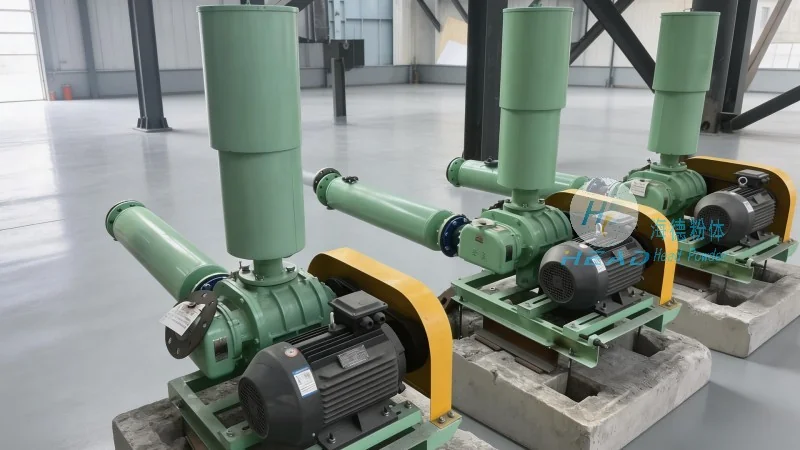
Artificial graphite pneumatic conveying is a technology that utilizes air or other gases to transport dry powders or granular materials through a pipeline system. This method is particularly effective for artificial graphite because of its light weight, fine particle size, and susceptibility to contamination or moisture. The system generally consists of a hopper for material storage, a feeder to control the flow rate, a conveying line to transport the material, and a receiver to collect the material at the destination. Optional components like cyclones and filters are often integrated to enhance performance and ensure material quality.
Key Advantages of Artificial Graphite Pneumatic Conveying
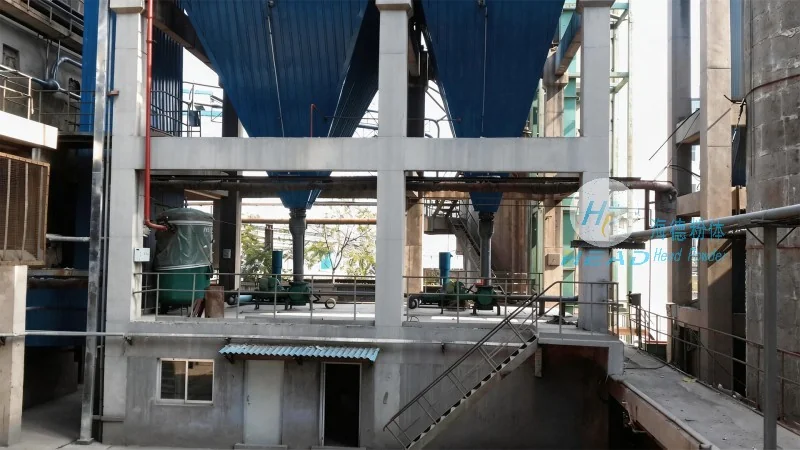
One of the most significant advantages of artificial graphite pneumatic conveying is its high efficiency in material transport. Unlike mechanical conveyors that rely on physical contact and friction, pneumatic systems can move materials over long distances with minimal energy consumption. This efficiency is crucial for large-scale production facilities where material throughput is a key performance indicator. Additionally, pneumatic conveying offers superior control over material flow, allowing for precise dosing and consistent delivery rates, which is essential for maintaining product quality and process stability. This level of control is particularly important in applications where the purity and consistency of artificial graphite are critical, such as in the manufacturing of lithium-ion batteries and electronic components.
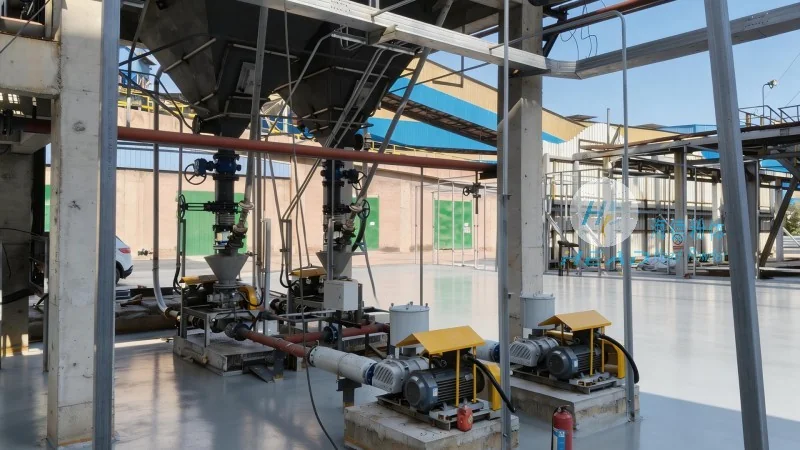
Another critical advantage is the enhanced safety provided by artificial graphite pneumatic conveying. Since the material is transported in a sealed pipeline system, there is no risk of dust exposure or environmental contamination, which is a major concern with traditional bulk handling methods. This not only protects workers from health hazards but also ensures compliance with environmental regulations. The sealed system also prevents material from being contaminated by external factors, preserving the purity and integrity of the artificial graphite. This is vital for industries where even minor impurities can affect the performance of the final product, such as in aerospace and electronics.
Features of Artificial Graphite Pneumatic Conveying Systems
Modern artificial graphite pneumatic conveying systems are equipped with advanced features that further enhance their performance and reliability. These features include variable speed feeders, which allow for precise control over the material flow rate, and cyclone separators, which effectively separate the conveyed material from the air stream, reducing the load on downstream equipment. Additionally, many systems incorporate filtration and dust collection units to ensure that the air discharged from the system is clean and meets environmental standards. The use of high-quality materials, such as stainless steel or special alloys, in the construction of the conveying lines and components ensures durability and resistance to corrosion, which is essential for handling materials like artificial graphite that may be abrasive or chemically reactive. Advanced control systems, often integrated with sensors and automation, provide real-time monitoring and adjustment of the conveying process, further improving efficiency and reducing operational errors.




