When it comes to transporting stabilizer powders, selecting the right conveying method is crucial for ensuring efficiency, safety, and cost-effectiveness in industrial operations. Stabilizer powders, often used in various manufacturing processes such as plastic production, rubber processing, and chemical applications, require specialized handling due to their fine particle size and potential for dust generation. Among the various options available, pneumatic conveying stands out as a preferred solution for many industries. This article explores the different types of stabilizer powder conveying methods and highlights the key advantages and features of pneumatic conveying systems, providing insights into how these technologies enhance operational performance.
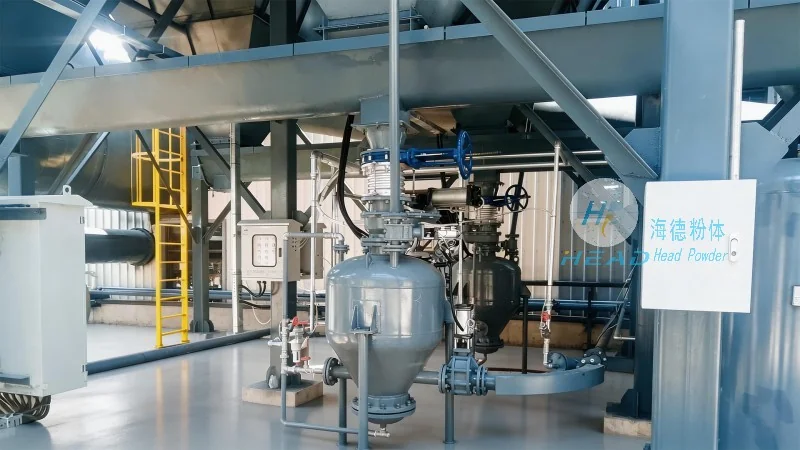
Introduction to Stabilizer Powder Conveying
Stabilizer powders are essential additives that help maintain the stability and performance of materials during processing. These powders are typically fine, dry particles that need to be transported from storage to processing equipment or between different stages of production. The choice of conveying method depends on factors like the powder's properties, the distance to be covered, the required flow rate, and the overall system design. Common conveying methods include mechanical conveying (like screw conveyors and belt conveyors) and pneumatic conveying (air-assisted transport). Each method has its own set of advantages and limitations, making the selection process critical for optimizing production lines.
Types of Stabilizer Powder Conveying Methods
1. **Mechanical Conveying Systems**: Mechanical methods rely on physical components to move the powder. Screw conveyors, for example, use rotating screws to push the material forward, while belt conveyors use moving belts to transport the powder in a continuous flow. These systems are generally suitable for short distances and relatively low flow rates. However, they may face challenges with fine powders, as they can lead to material buildup, blockages, and increased wear on components. Additionally, mechanical conveyors may not be as effective in handling powders that are prone to dust generation or require airtight containment.
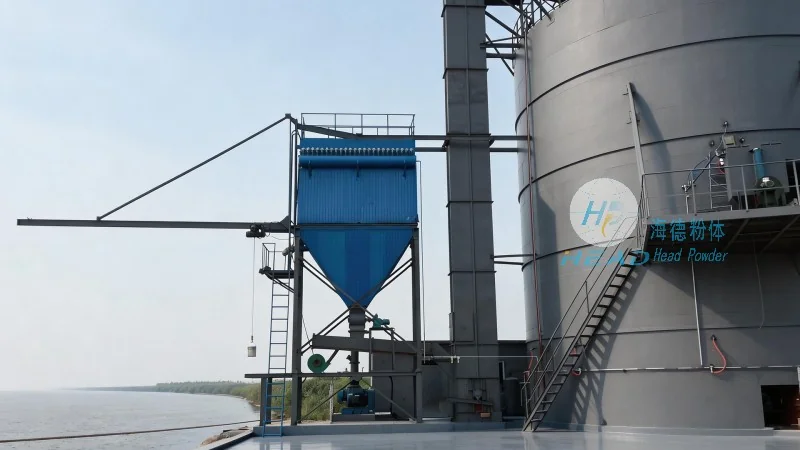
2. **Pneumatic Conveying Systems**: Pneumatic conveying uses compressed air or other gases to transport the powder through a pipeline. This method is particularly effective for fine powders and can handle long distances with minimal loss. There are two main types of pneumatic conveying: dilute-phase and dense-phase. Dilute-phase systems use high air velocities to keep the powder suspended in the air, while dense-phase systems use lower air velocities to create a slurry-like flow, reducing the risk of particle degradation and blockages.
Advantages of Pneumatic Conveying for Stabilizer Powders
Pneumatic conveying offers several significant advantages over traditional mechanical methods, making it a popular choice for stabilizer powder handling. One of the primary benefits is its ability to handle fine, abrasive powders without causing excessive wear on equipment. The air-assisted transport minimizes friction and impact, preserving the quality and integrity of the stabilizer powder. Additionally, pneumatic systems provide excellent dust control, as the enclosed pipeline prevents dust from escaping into the environment, reducing health hazards and compliance issues.
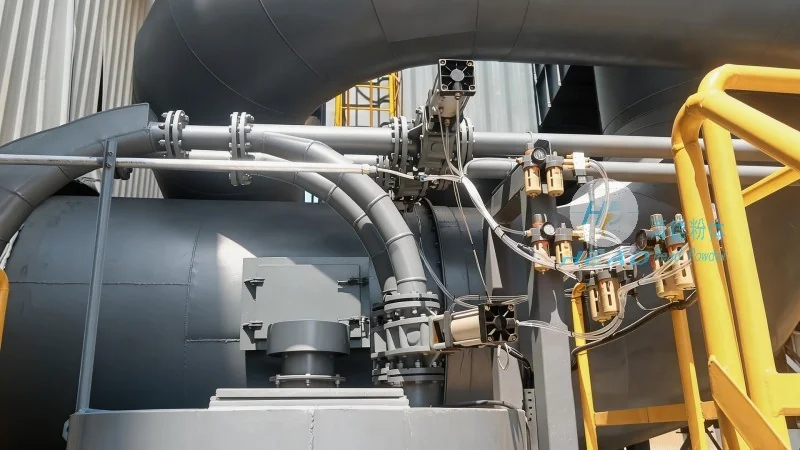
Another key advantage is the flexibility and scalability of pneumatic conveying systems. They can be easily integrated into existing production lines and adapted to varying flow rates and distances. This adaptability makes them suitable for both small-scale and large-scale operations. Furthermore, pneumatic systems can handle powders with different characteristics, such as moisture content or particle size distribution, without compromising performance. The ability to transport powders in a closed system also enhances safety by preventing dust explosions and reducing the risk of contamination.
Key Features of Pneumatic Conveying Systems
Modern pneumatic conveying systems for stabilizer powders are equipped with advanced features that enhance their performance and reliability. These features include: self-cleaning pipelines, which prevent material buildup and ensure consistent flow; variable speed drives, allowing precise control over the conveying rate; and pressure sensors, which monitor system performance and alert operators to potential issues. Additionally, many systems incorporate filter and dust collection units to maintain air quality and comply with environmental regulations. The use of high-efficiency cyclones and cartridge filters ensures that the powder is separated from the air efficiently, minimizing waste and maximizing material recovery.
Applications and Performance in Real-World Scenarios
The effectiveness of pneumatic conveying for stabilizer powders is demonstrated in various industrial applications. For instance, in the plastic manufacturing industry, stabilizer powders are often used to prevent degradation of polymers during processing. Pneumatic systems enable the precise delivery of these additives to extruders and mixers, ensuring consistent product quality. In rubber processing, stabilizer powders are critical for maintaining the durability and flexibility of rubber products. The ability of pneumatic conveying to handle abrasive and fine rubber additives without clogging or degradation makes it an ideal choice for these applications.
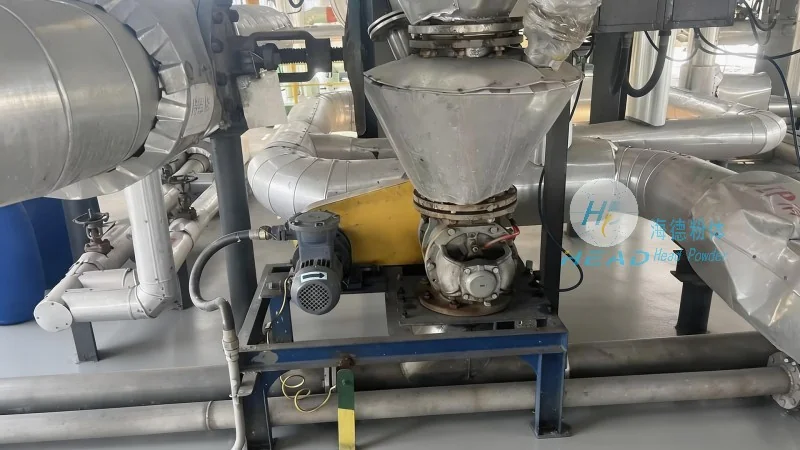
In chemical processing, stabilizer powders are used to control the reactivity of materials and improve product stability. Pneumatic conveying systems allow for the safe and efficient transport of these powders, especially when dealing with hazardous or sensitive materials. The enclosed nature of the system reduces the risk of exposure to harmful substances and ensures compliance with safety standards. Furthermore, the ability to transport powders over long distances without the need for multiple transfer points simplifies the overall process flow and reduces downtime.
Conclusion and Recommendations
When evaluating stabilizer powder conveying methods, it is essential to consider the specific requirements of the application, including the powder's properties, the distance to be covered, and the desired level of efficiency and safety. While mechanical conveying may be suitable for short distances and low flow rates, pneumatic conveying offers superior performance for fine, abrasive powders and longer transport distances. The advantages of pneumatic systems, such as minimal wear, excellent dust control, and flexibility, make them a preferred choice for many industries. For optimal results, it is recommended to consult with experts in the field, such as Shandong HeadPowder Engineering Co., Ltd., a company based in China that specializes in the design and implementation of advanced conveying systems for industrial powders. By leveraging their expertise, businesses can select and implement the most suitable conveying solution to enhance their operational efficiency and product quality.




