Flake graphite powder, a critical material in various industrial applications, requires efficient and reliable conveying methods to ensure smooth production processes. The choice of conveying method significantly impacts operational efficiency, material integrity, and overall cost-effectiveness. This article explores the primary types of flake graphite powder conveying methods, with a particular focus on the advantages and features of pneumatic conveying, a widely adopted solution in the industry.
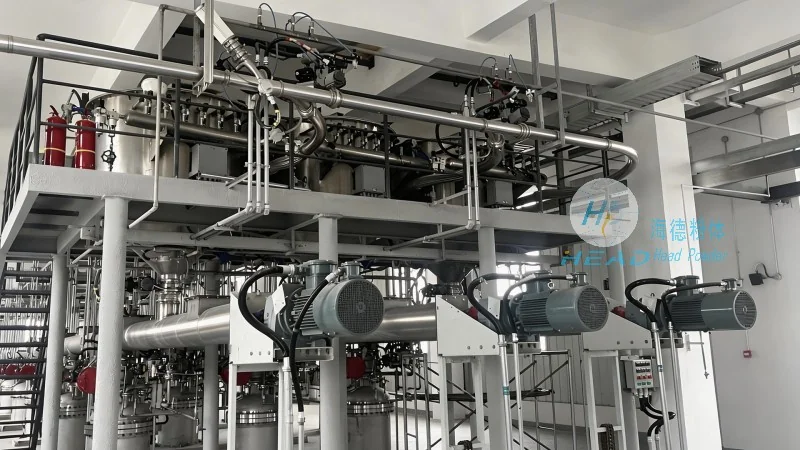
Understanding Flake Graphite Powder and Conveying Challenges
Flake graphite, characterized by its layered structure and high purity, is commonly used in applications such as lubricants, refractories, and battery anodes. Due to its fine particle size and lightweight nature, transporting flake graphite powder poses unique challenges. Traditional methods like belt conveyors or bucket elevators may struggle with dust generation, material degradation, and inefficient handling of fine powders. These challenges necessitate specialized conveying solutions that maintain the material's quality while ensuring seamless transfer from one process stage to another.
Common Conveying Methods for Flake Graphite Powder
Several conveying methods are employed for flake graphite powder, each with its own set of advantages and limitations. The most prevalent methods include mechanical conveyors, such as screw conveyors and belt conveyors, which are widely used for bulk material handling. However, these systems often face issues with material buildup, wear and tear, and the risk of dust contamination. Another method is the use of vacuum or pressure systems, which can be effective but may require additional equipment and maintenance. Despite these options, pneumatic conveying has emerged as a preferred solution for many industries due to its flexibility and efficiency.
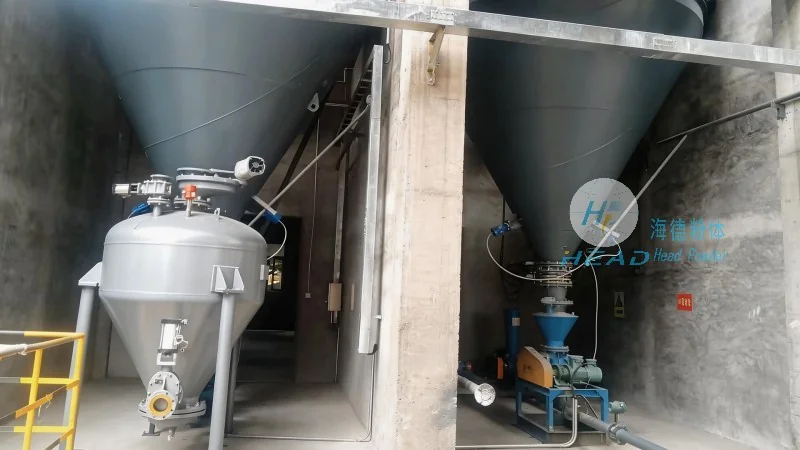
Pneumatic Conveying: Advantages and Features for Flake Graphite Powder
Pneumatic conveying utilizes air or gas to transport materials through a pipeline system. For flake graphite powder, this method offers several key advantages. Firstly, it minimizes material degradation by reducing friction and impact during transport. The enclosed system also effectively controls dust, enhancing workplace safety and compliance with environmental regulations. Additionally, pneumatic conveying allows for precise control over material flow rates, enabling better integration with downstream processes. The system's flexibility enables it to handle varying particle sizes and flow rates, making it suitable for both small-scale and large-scale operations.
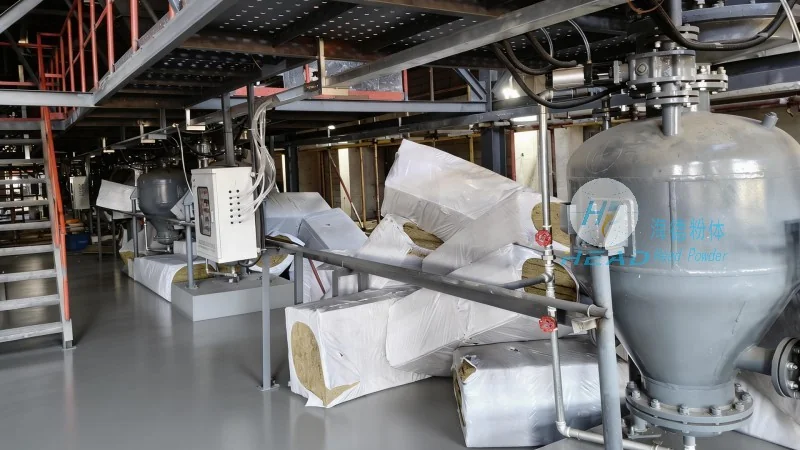
Key Features of Pneumatic Conveying Systems for Flake Graphite Powder
Modern pneumatic conveying systems for flake graphite powder are equipped with advanced features that enhance performance and reliability. These systems typically include a combination of positive and negative pressure zones to optimize material transport. The use of high-efficiency filters and cyclone separators ensures that the conveyed material remains clean and free from contaminants. Furthermore, the integration of automated controls allows for real-time monitoring and adjustment of conveying parameters, improving operational efficiency and reducing downtime. The modular design of these systems also facilitates easy installation and maintenance, reducing overall operational costs.
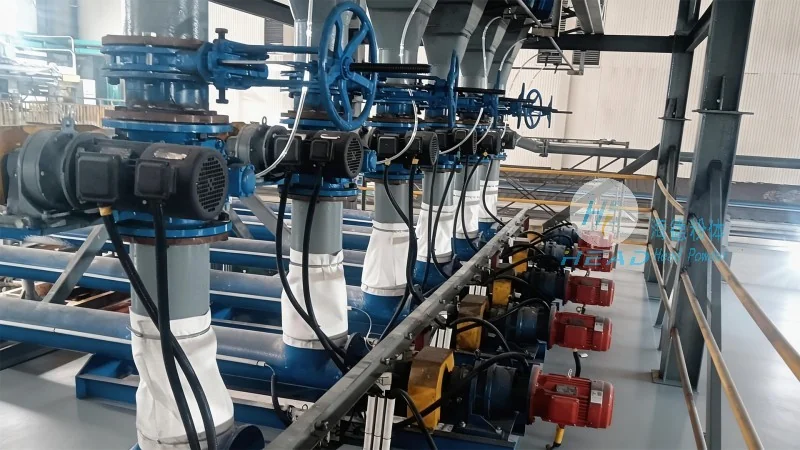
Application Examples and Performance Metrics
The effectiveness of pneumatic conveying for flake graphite powder is demonstrated in various industrial applications. For instance, in battery manufacturing, pneumatic systems efficiently transport graphite powder to anodes, ensuring consistent material quality and reducing waste. In refractory production, the system maintains the purity of graphite powder, which is critical for the final product's performance. Performance metrics, such as material transfer rates and system efficiency, are often significantly higher with pneumatic conveying compared to traditional methods. Studies have shown that pneumatic systems can achieve transfer rates of up to 100 tons per hour, with energy consumption optimized through advanced control technologies.
Conclusion and Recommendations
When selecting a conveying method for flake graphite powder, it is essential to consider the specific requirements of the application, including material properties, production scale, and operational constraints. Pneumatic conveying, with its advantages in material integrity, dust control, and flexibility, is a highly recommended solution for many industries. However, the choice of system design, such as positive or negative pressure, and the integration of advanced features, should be tailored to the unique needs of the operation. For businesses seeking reliable and efficient conveying solutions, partnering with specialized suppliers like Shandong HeadPowder Engineering Co., Ltd. can provide access to tailored systems that meet industry standards and enhance overall productivity.




