When it comes to the efficient and reliable transportation of rare earth materials, selecting the right method is crucial for industrial operations. Rare earth elements, such as neodymium, praseodymium, and cerium, are vital components in modern technology, including electronics, magnets, and renewable energy systems. The choice of transportation method directly impacts production efficiency, material integrity, and overall operational costs. This article explores common rare earth transportation methods, with a specific focus on rare earth pneumatic conveying systems, and highlights the expertise of Shandong HeadPowder Engineering Co., Ltd. in this field.
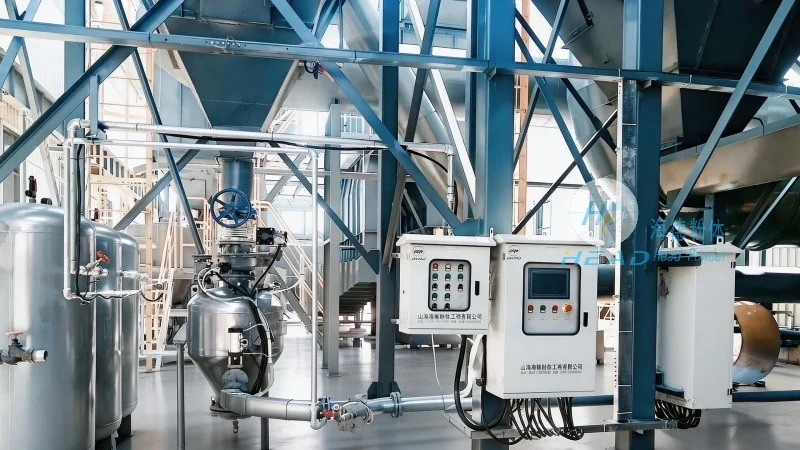
Understanding Rare Earth Materials and Their Transportation Needs
Rare earth materials are typically found in powdered or granular forms, making them susceptible to dust generation and requiring careful handling to prevent contamination or loss. Traditional bulk material handling methods, like belt conveyors or screw conveyors, may not be suitable for these fine powders due to issues like caking, segregation, or high friction. Therefore, specialized transportation systems are often employed to ensure the safe and efficient movement of rare earth materials from storage to processing or packaging stages.
Common Rare Earth Transportation Methods
Several methods are commonly used for transporting rare earth materials, each with its own advantages and limitations. The primary options include:
1. Belt Conveyors
Belt conveyors are widely used in bulk material handling for their simplicity and cost-effectiveness. However, when dealing with fine rare earth powders, belt conveyors may face challenges such as material buildup on the belt surface, which can lead to uneven flow and potential blockages. Additionally, the risk of dust generation during transport can affect workplace safety and material quality. Despite these limitations, belt conveyors remain a viable option for larger, less sensitive rare earth applications.
2. Screw Conveyors
Screw conveyors, also known as auger conveyors, are another traditional method for moving bulk materials. They are particularly useful for vertical or inclined transport, but their effectiveness with fine rare earth powders is often limited. The high friction between the screw and the material can cause overheating and degradation of the powder, while the risk of clogging remains significant. Screw conveyors may require frequent maintenance and cleaning to maintain performance, making them less ideal for continuous rare earth processing.
3. Pneumatic Conveying Systems
Pneumatic conveying systems have emerged as a preferred solution for transporting rare earth materials due to their ability to handle fine powders with minimal degradation. These systems use air pressure to move materials through a pipeline, offering advantages such as dust containment, reduced labor costs, and the ability to transport materials over long distances without the need for multiple transfer points. Pneumatic conveying can be categorized into two main types: pressure and vacuum systems, each tailored to specific operational requirements.
Advantages of Rare Earth Pneumatic Conveying
For rare earth material handling, pneumatic conveying offers several key benefits that make it a superior choice compared to traditional methods. First, it provides excellent dust control, which is critical for maintaining material purity and ensuring compliance with occupational health and safety regulations. The enclosed system prevents dust from escaping into the environment, reducing the risk of contamination and improving workplace safety. Second, pneumatic conveying minimizes material degradation by avoiding direct contact with mechanical components, which can cause attrition or agglomeration of the fine powder. This helps preserve the material's properties and ensures consistent quality in downstream processes.
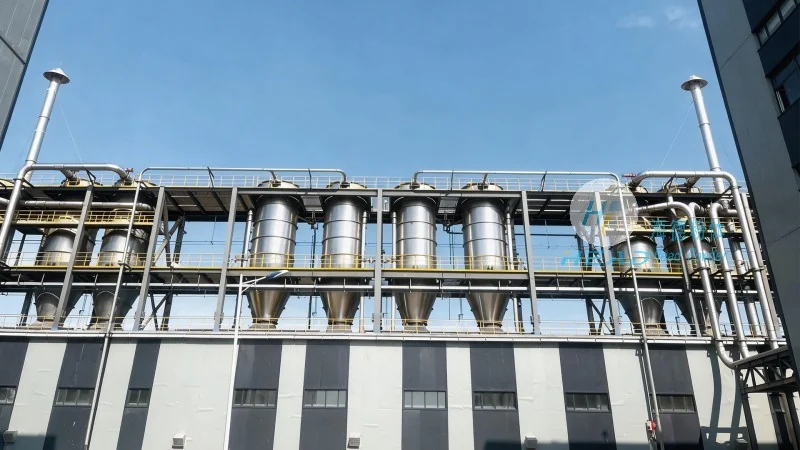
Third, the system's flexibility allows for easy integration with existing production lines and the ability to transport materials to multiple destinations from a single source. This reduces the need for additional equipment and simplifies the overall material flow management. Additionally, pneumatic conveying can handle a wide range of particle sizes and densities, making it suitable for various rare earth compounds and their mixtures. The energy efficiency of modern pneumatic systems, particularly vacuum conveying, further enhances their appeal for long-term operational cost savings.
Components of a Rare Earth Pneumatic Conveying System
A typical rare earth pneumatic conveying system consists of several key components that work together to ensure efficient material transport. These include:
1. Hopper and Feeder
The system starts with a hopper, which stores the rare earth material and feeds it into the conveying line. The feeder, often a rotary valve or a vibratory feeder, controls the flow rate of the material into the system. Proper design of the hopper and feeder is essential to prevent material bridging or clogging, which can disrupt the conveying process. For fine rare earth powders, a well-designed feeder ensures a consistent and controlled feed rate, maintaining system performance.
2. Conveying Pipeline
The pipeline is the core of the pneumatic system, where the material is transported through the air. The choice of pipeline material is critical, as rare earth materials can be corrosive or abrasive. Stainless steel or specialized plastic pipes are commonly used to withstand the material's properties and ensure long-term durability. The pipeline design, including bends and elbows, is optimized to minimize pressure loss and prevent material deposition, which could lead to blockages or reduced conveying efficiency.
3. Air Supply System
The air supply system provides the necessary pressure or vacuum to move the material through the pipeline. This includes a blower or vacuum pump, air filters, and regulators to maintain consistent air pressure. The air quality is also important, as contaminants in the air can affect the material's purity. High-efficiency filters are used to remove particulates from the air, ensuring that the conveyed material remains clean and free from external contaminants.
4. Control and Monitoring Equipment
Modern pneumatic conveying systems are equipped with control and monitoring equipment to ensure optimal operation. This includes pressure sensors, flow meters, and control valves that regulate the air pressure and material flow. The system may also feature alarms and safety interlocks to prevent overpressure or underpressure conditions, which could damage equipment or cause material spills. Real-time monitoring allows operators to adjust the system parameters as needed, improving efficiency and reducing downtime.
Applications of Rare Earth Pneumatic Conveying
Rare earth pneumatic conveying systems are widely used in various industrial applications involving rare earth materials. These include:
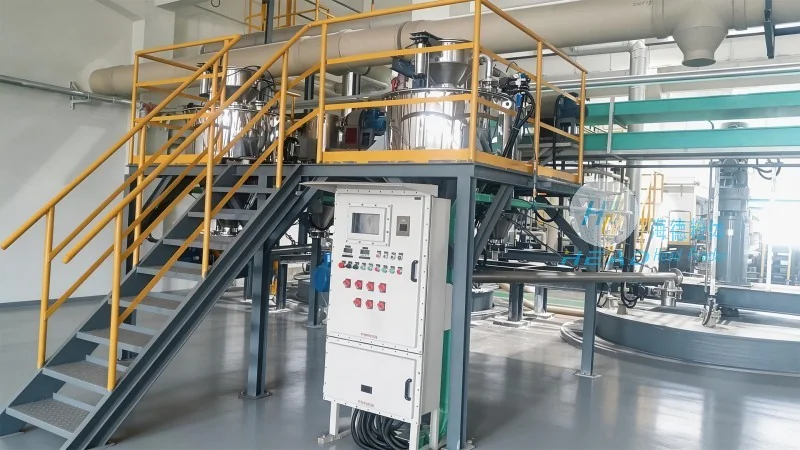
1. Mining and Processing
In rare earth mining operations, pneumatic conveying is used to transport raw ore from the mine to processing facilities. The system efficiently moves the ore to crushing and grinding stages, where it is converted into fine powders. The enclosed nature of the system prevents dust from contaminating the environment and ensures that the ore is handled safely and efficiently.
2. Manufacturing of Rare Earth Compounds
During the production of rare earth compounds, such as neodymium magnets or phosphors, pneumatic conveying is used to transport the raw materials to mixing and reaction vessels. The system ensures that the materials are delivered in a controlled manner, maintaining the required purity and preventing contamination. This is crucial for achieving the desired properties of the final products.
3. Packaging and Distribution
At the end of the production process, pneumatic conveying systems are used to transport finished rare earth products to packaging lines. The material is conveyed from storage hoppers to filling machines, ensuring a smooth and consistent flow. This helps maintain product quality and reduces the risk of damage during transport.
Custom Solutions by Shandong HeadPowder Engineering Co., Ltd.
Shandong HeadPowder Engineering Co., Ltd., a leading provider of bulk material handling solutions, specializes in designing and manufacturing customized rare earth pneumatic conveying systems. With years of experience in the industry, the company understands the unique challenges of handling rare earth materials and offers tailored solutions to meet specific operational needs. The company's expertise includes the design of hopper and feeder systems, pipeline configurations, and air supply equipment, all optimized for the properties of rare earth powders.
HeadPowder Engineering focuses on providing high-quality, reliable systems that enhance production efficiency and ensure material integrity. The company's products are engineered to minimize downtime, reduce maintenance costs, and improve overall operational performance. By leveraging advanced technology and a deep understanding of rare earth material handling, HeadPowder Engineering helps clients achieve their production goals while maintaining compliance with industry standards and regulations.
Conclusion
Choosing the right transportation method for rare earth materials is essential for optimizing industrial operations. While traditional methods like belt and screw conveyors have their uses, pneumatic conveying systems offer superior performance, especially for fine powders. The advantages of dust control, material integrity, and system flexibility make pneumatic conveying the preferred choice for many rare earth processing applications. With the expertise of companies like Shandong HeadPowder Engineering Co., Ltd., industries can implement efficient and reliable rare earth transportation systems that meet their specific needs and contribute to overall operational success.




