Desulfurizer powder conveying equipment is a specialized system designed to handle and transport desulfurizer powders, which are crucial components in flue gas desulfurization processes. These systems play a vital role in industrial applications, particularly in power plants and other facilities that require efficient removal of sulfur dioxide from exhaust gases. Understanding the equipment's functionality and design principles is essential for optimizing performance and ensuring compliance with environmental regulations. The equipment must be capable of handling the unique properties of desulfurizer powders, such as their fine particle size, hygroscopic nature, and potential reactivity, to prevent issues like clogging, material degradation, or operational inefficiencies.
Introduction to Desulfurizer Powder Conveying Equipment
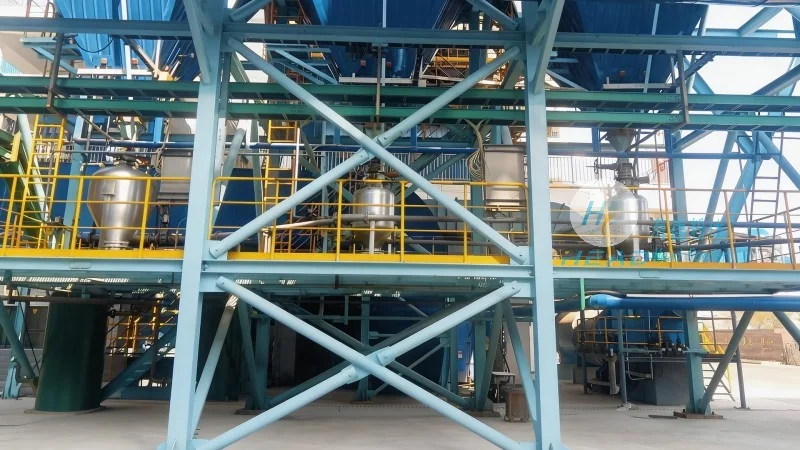
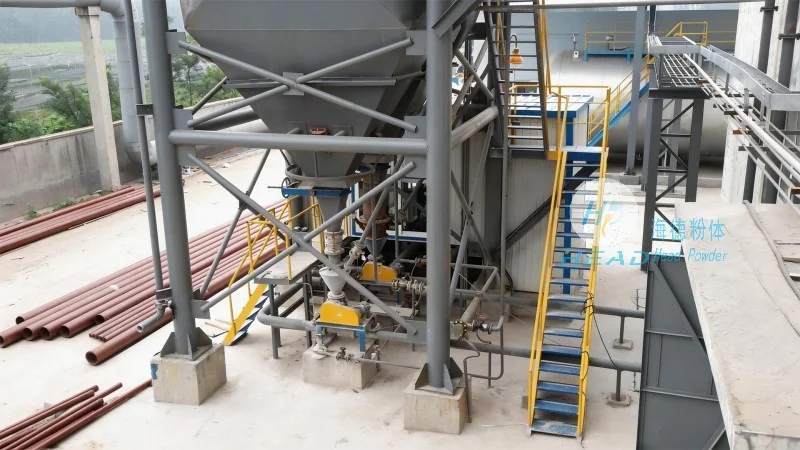
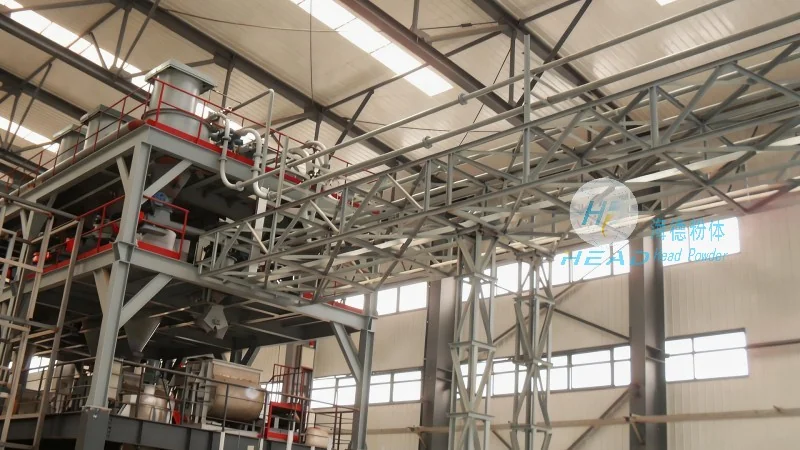
Desulfurizer powder conveying equipment is engineered to transport desulfurizer powders, typically used in wet flue gas desulfurization (WFGD) systems. The primary function of this equipment is to move the desulfurizer material from storage silos or bulk containers to the reaction tower or other processing units. The equipment must handle the specific challenges posed by desulfurizer powders, including their fine particle size (often below 100 microns), which can lead to high dust generation and flow resistance. Additionally, desulfurizer powders may be hygroscopic, meaning they absorb moisture from the air, which can affect their handling characteristics and cause clumping. To address these challenges, the equipment incorporates features such as hopper designs with low-angle walls, agitators, and air seals to maintain material flow and prevent clogging. The system may also include feeding mechanisms like rotary valves or screw conveyors to control the discharge rate and ensure consistent material delivery.
Design Principles of Desulfurizer Powder Conveying Equipment
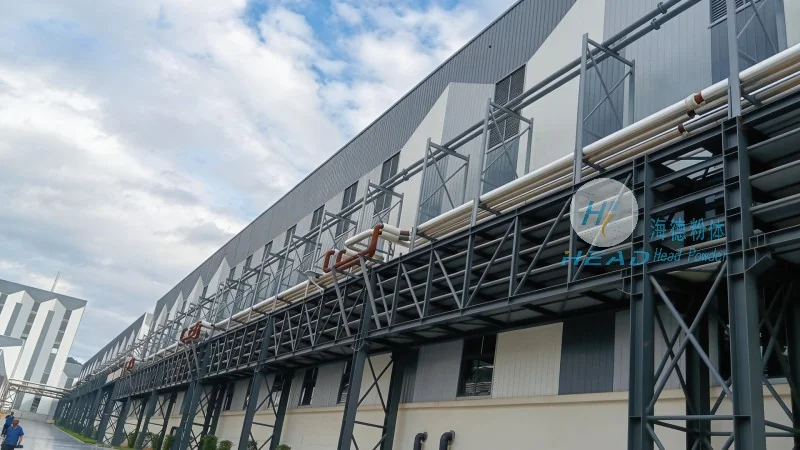
The design of desulfurizer powder conveying equipment is based on several key principles to address the unique challenges of handling these powders. First, the system must ensure a reliable and continuous flow of material. This is typically achieved through positive displacement or pneumatic conveying methods, which provide consistent pressure and flow rates. Positive displacement systems, such as rotary lobe or screw pumps, are commonly used for bulk powder handling as they can handle high solids concentrations and maintain a steady flow. Pneumatic conveying systems, on the other hand, use compressed air to transport powders through pipelines, offering flexibility in layout and the ability to handle fine powders without clogging. Second, the equipment must be constructed from materials that are resistant to corrosion and chemical exposure, as desulfurizer powders often contain acidic components (e.g., lime or limestone) that can degrade metal surfaces over time. Stainless steel, particularly 316L or 304L grades, is widely used for components such as hoppers, pipelines, and valves due to its excellent corrosion resistance and durability. Third, the design incorporates features to minimize dust generation and ensure proper sealing, as fine powders can be hazardous and cause environmental issues. This includes the use of enclosed hoppers, sealed conveyor lines, and dust collection systems to maintain a safe working environment. Additionally, the system may include vibration or agitation mechanisms to prevent material buildup and ensure smooth operation. For example, vibratory feeders or paddle mixers can be integrated into the hopper to keep the material in motion and prevent clogging at the discharge point.




