

What is a Castings Fume Material Pneumatic Conveying System? And What Are Its Design Principles?
For manufacturers in the casting industry, efficient material handling is critical to maintaining production efficiency and ensuring workplace safety. Among the various methods available, pneumatic conveying systems have emerged as a reliable solution for transporting castings fume materials, which are often fine powders or dust generated during the casting process. This article explores the concept of a castings fume material pneumatic conveying system and delves into its core design principles, highlighting how such systems enhance operational performance and safety in casting facilities.
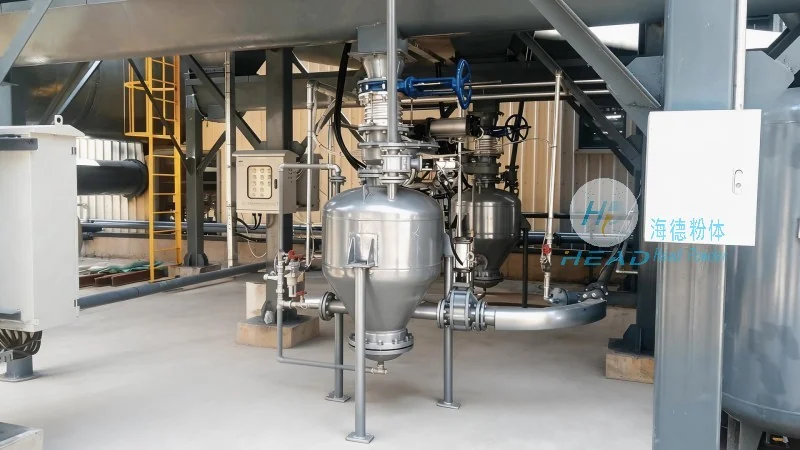
HeadPowder, a leading provider of engineering solutions, specializes in designing and manufacturing pneumatic conveying systems tailored to the unique needs of the casting industry. With years of experience and a deep understanding of material characteristics, HeadPowder has developed advanced systems that address the challenges associated with handling castings fume materials, including dust generation, material variability, and the need for clean, efficient transport.
Core Design Principles of Pneumatic Conveying Systems for Castings Fume Materials
The design of a pneumatic conveying system for castings fume materials is based on several fundamental principles that ensure optimal performance. The primary goal is to transport fine powders or dust through a pipeline using air or gas as the conveying medium. The system typically consists of a hopper or feeder, a blower or compressor, a pipeline network, and a receiver or discharge unit. The key design considerations include the material's properties (such as particle size, density, and moisture content), the required conveying distance, and the desired flow rate.
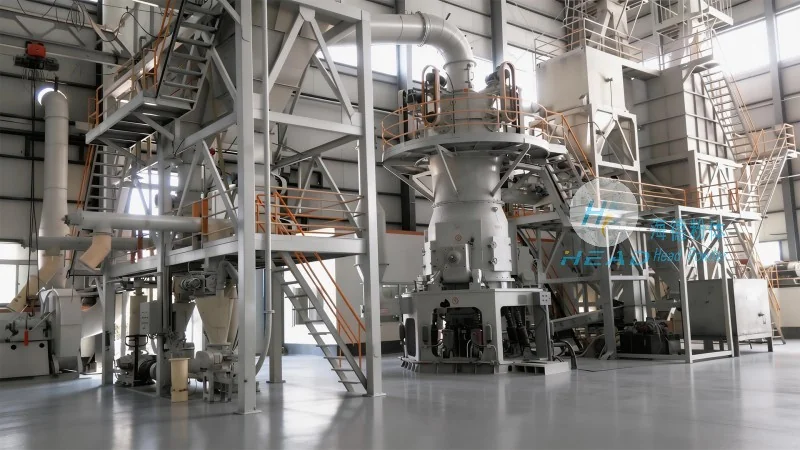
One of the most critical design principles is the selection of the appropriate conveying method. There are two main types of pneumatic conveying systems: dilute-phase and dense-phase. Dilute-phase systems use low air velocities to transport material in a dispersed state, making them suitable for short distances and low material loads. Dense-phase systems, on the other hand, use higher air velocities and lower material concentrations to achieve higher conveying efficiency and reduce material degradation. For castings fume materials, which are often fine and abrasive, dense-phase systems are often preferred as they minimize particle breakage and maintain material integrity.
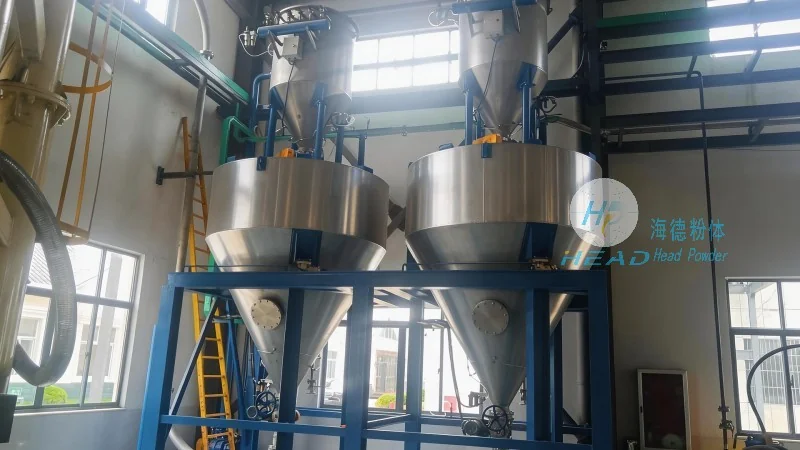
Another crucial design aspect is the air flow rate and pressure. The system must generate sufficient air pressure to overcome the resistance in the pipeline and lift the material from the hopper. The air flow rate is typically determined by the material's bulk density and the required flow rate. Proper air distribution within the pipeline is also essential to prevent material buildup and ensure consistent flow. HeadPowder's engineers carefully calculate these parameters to ensure the system operates efficiently and reliably.
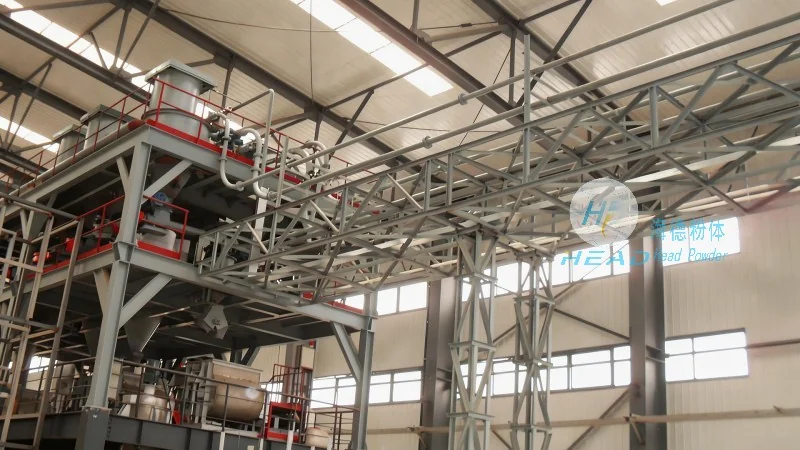
Key Components of a Castings Fume Material Pneumatic Conveying System
A pneumatic conveying system for castings fume materials consists of several interconnected components, each playing a vital role in the overall operation. The first component is the material hopper or feeder, which stores the castings fume material and feeds it into the system. The hopper is designed to prevent material bridging and ensure a consistent flow of material. It may include a rotary valve or a screw feeder to control the material discharge rate.
The second component is the blower or compressor, which provides the necessary air pressure to move the material through the pipeline. The choice of blower depends on the system's requirements, such as the conveying distance and material load. Centrifugal blowers are commonly used for dilute-phase systems, while positive displacement blowers are preferred for dense-phase systems. The blower's capacity and pressure rating are critical to ensure the system can handle the material's characteristics effectively.