Working Principle and Features of Barite Material Conveying Lines
Release time:2026-09-17 22:01:22
name of the company:Shandong Headpowder Engineering Co., Ltd.
telephone:156-6277-7102
contacts:Zhang manager
Barite, a mineral composed primarily of barium sulfate (BaSO₄), is widely used in various industrial applications such as oil drilling, medical imaging, and as a weighting agent in the chemical industry. The efficient transportation of barite materials from mining sites to processing facilities or end-users is crucial for maintaining production efficiency and ensuring product quality. This article explores the working principle and key features of barite material conveying lines, highlighting the technological advancements and operational advantages offered by modern conveyor systems. Shandong HeadPowder Engineering Co., Ltd., a leading manufacturer of industrial conveying solutions, provides comprehensive services for the design, installation, and maintenance of barite material conveying lines, ensuring optimal performance and reliability for industrial operations.
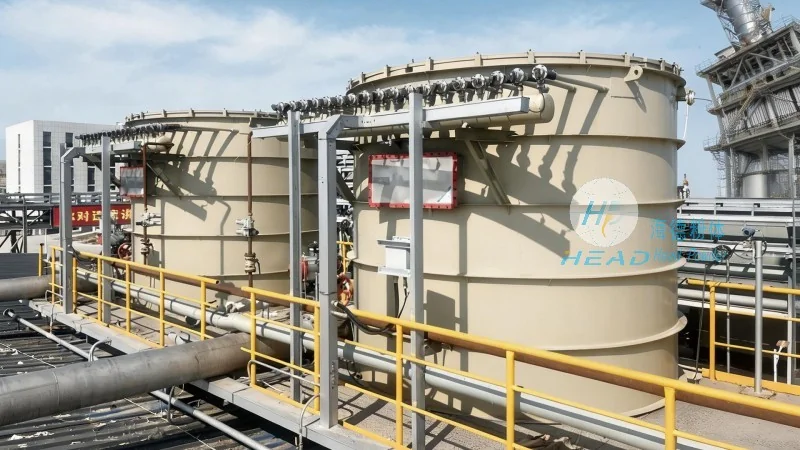
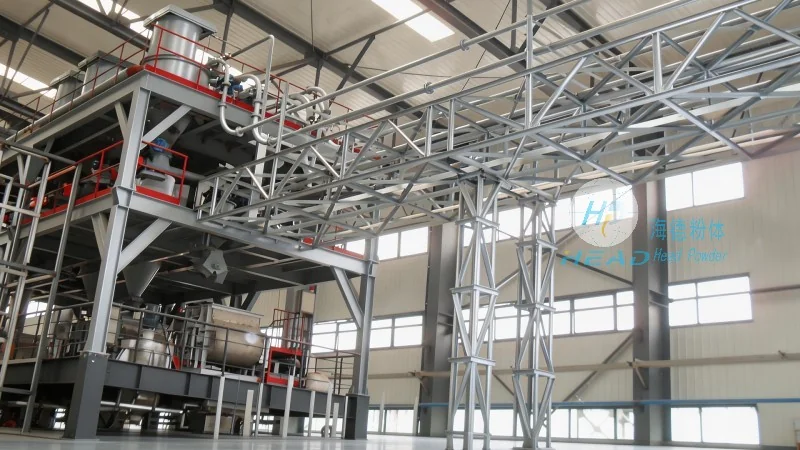
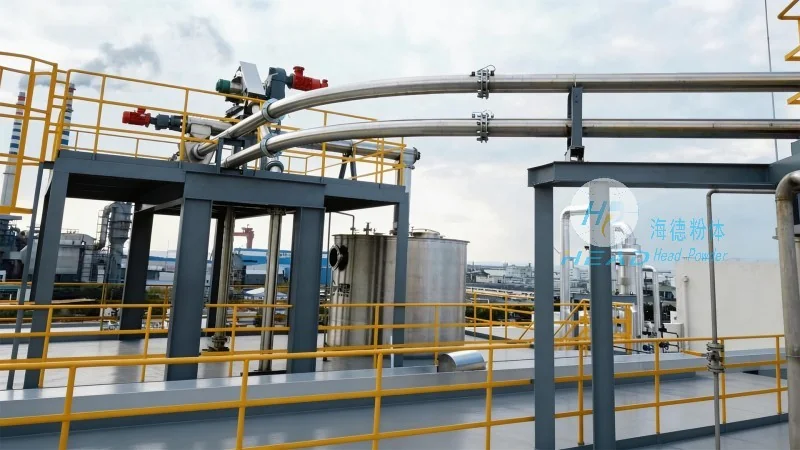
Working Principle of Barite Material Conveying Lines
The core working principle of a barite material conveying line involves the systematic movement of bulk barite material from its source to the destination through a series of components designed for durability, efficiency, and safety. Typically, the process begins with the loading of raw barite ore into a hopper or storage silo. From there, the material is transferred to a primary conveyor, often a belt conveyor, which transports the bulk material over long distances or to processing units. The conveyor system may include multiple stages, such as transfer points, elevators, and secondary conveyors, to adjust the material's height and direction as needed. For example, in a typical industrial setup, a belt conveyor with a variable speed drive can handle different barite particle sizes, ensuring smooth material flow without blockages. The system may also incorporate feeding mechanisms like screw conveyors or vibratory feeders to regulate the flow rate, preventing overloading and maintaining consistent material delivery. At the receiving end, the barite material is discharged into a storage bin or directly into processing equipment, completing the conveying process. The entire operation is often controlled by a centralized system that monitors parameters like speed, load, and temperature to optimize performance and prevent mechanical failures.




