When it comes to the efficient and reliable transport of potash fertilizer, selecting the right conveying method is crucial for optimizing operational performance and minimizing downtime. Among the various options available, potash pneumatic conveying stands out as a highly effective solution, offering advantages in terms of speed, flexibility, and safety. This article explores common potash fertilizer conveying methods, with a focus on the benefits and applications of potash pneumatic conveying systems.
Understanding Potash Fertilizer and Its Conveying Needs
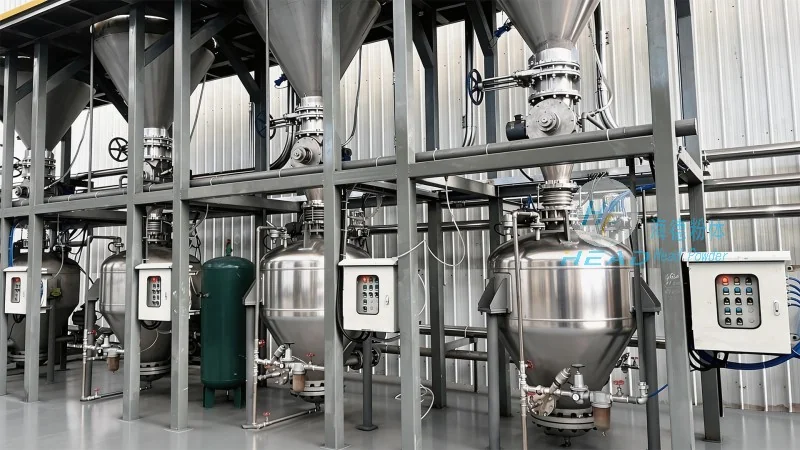
Potash is a vital component in modern agriculture, providing essential potassium to crops for enhanced growth and yield. Its handling and transportation require specialized equipment due to its granular or powder form, which can be prone to dust and require controlled movement to prevent segregation or loss. Conventional methods like belt conveyors or bucket elevators may struggle with the abrasive nature of potash and the need for dust control, making pneumatic conveying a preferred choice for many industries.
Common Potash Fertilizer Conveying Methods
Several methods are employed for potash fertilizer transport, each with its own set of advantages and limitations. The most common approaches include:
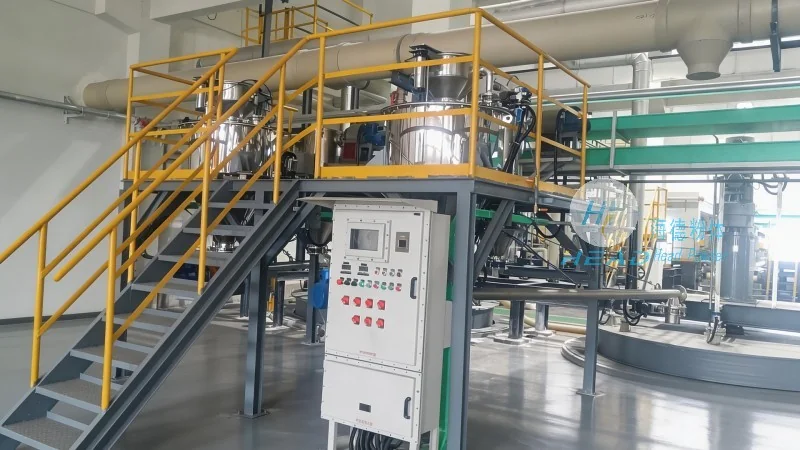
- Pneumatic Conveying: This method uses air pressure to move material through a pipeline system, allowing for high-speed, low-maintenance transport over long distances. It is ideal for handling fine powders and granules, and can be designed as positive or negative pressure systems depending on the application.
- Belt Conveyors: A traditional method involving a continuous belt that transports material from one point to another. While effective for bulk handling, belt conveyors may face challenges with potash, such as material buildup or belt wear due to abrasiveness.
- Bucket Elevators: These vertical conveyors use buckets attached to a chain or belt to lift material. They are suitable for vertical transport but can be less efficient for horizontal movement and may require more maintenance for potash applications.
- Truck and Rail Transport: For long-distance bulk transport, trucks and railcars are commonly used. However, these methods are less suitable for on-site or intra-facility movement and may involve higher costs and longer transit times.
Potash Pneumatic Conveying: Advantages and Applications
Potash pneumatic conveying systems offer several key advantages that make them a preferred choice for many fertilizer producers and distributors. These include:
- High Efficiency and Speed: Pneumatic systems can transport material at speeds up to several meters per second, significantly reducing handling time compared to traditional methods.
- Low Maintenance: With fewer moving parts compared to mechanical conveyors, pneumatic systems require less frequent maintenance, leading to lower operational costs and increased uptime.
- Flexibility and Scalability: These systems can be easily adapted to different production scales and layouts, allowing for expansion or reconfiguration as needs change.
- Improved Safety and Dust Control: By enclosing the material in a pipeline, pneumatic conveying minimizes dust exposure and reduces the risk of environmental contamination, which is critical for potash handling.
- Reduced Product Loss: The enclosed system prevents material spillage and segregation, ensuring consistent product quality throughout the transport process.
Components of a Potash Pneumatic Conveying System
A typical potash pneumatic conveying system consists of several key components, each playing a vital role in the overall operation:
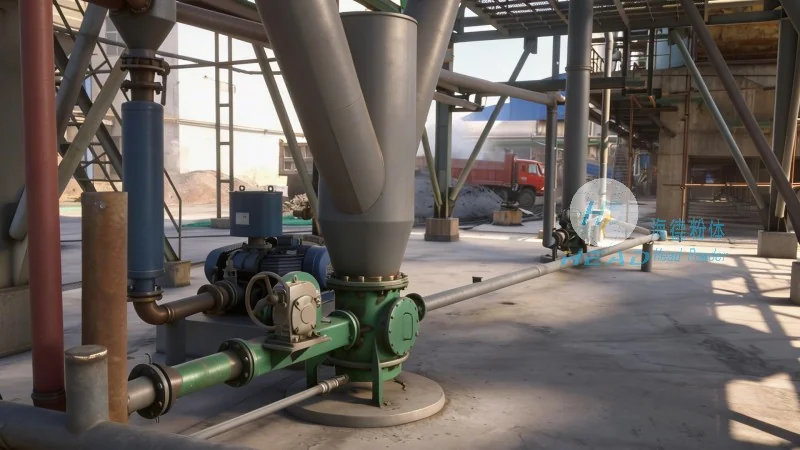
- Feeder: The feeder is responsible for accurately metering the potash material into the conveying line, ensuring a consistent flow rate.
- Pipeline: The main transport medium, usually made of stainless steel or other corrosion-resistant materials to withstand the abrasive nature of potash.
- Blower or Vacuum Pump: Provides the necessary air pressure or vacuum to move the material through the pipeline.
- Control Valves: Regulate the flow of air and material, allowing for precise control over the conveying process.
- Receiver or Discharge Unit: The final component where the potash is deposited, often equipped with dust collection systems to ensure environmental compliance.
Choosing the Right Potash Conveying System
When selecting a potash conveying system, several factors must be considered to ensure optimal performance and cost-effectiveness. These include the type of potash (granular vs. powder), the required transport distance, the desired flow rate, and the available space for installation. Consulting with experienced engineers, such as those at Shandong HeadPowder Engineering Co., Ltd., based in China, can help in designing a customized solution that meets specific operational needs.
Conclusion
Potash pneumatic conveying represents a modern and efficient approach to handling and transporting potash fertilizer. By leveraging the advantages of pneumatic systems, such as high speed, low maintenance, and improved safety, industries can enhance their operational efficiency and product quality. With proper design and implementation, potash pneumatic conveying systems offer a reliable solution for the challenges associated with potash handling, supporting sustainable agricultural practices and supply chain optimization.




