Aluminum turnings, a byproduct of metalworking processes, require efficient and reliable transportation systems to maintain production flow. The choice of conveying method significantly impacts operational efficiency, material integrity, and overall system cost. This article explores common aluminum turnings conveying methods, with a focus on the advantages and applications of pneumatic conveying systems.
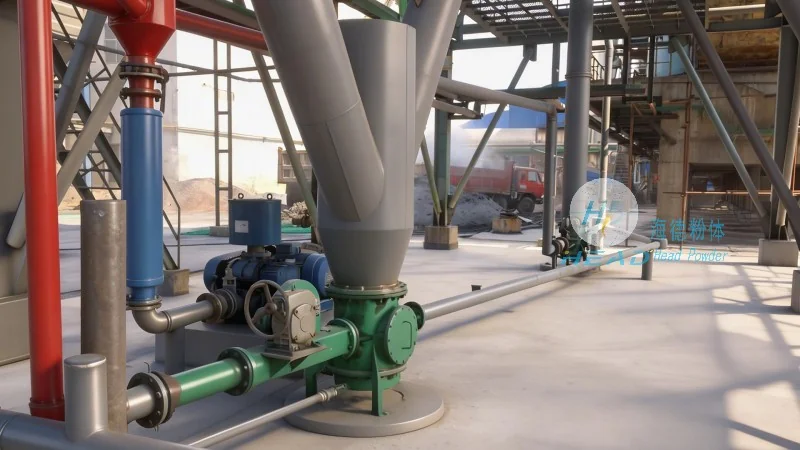
About Shandong HeadPowder Engineering Co., Ltd.
Shandong HeadPowder Engineering Co., Ltd., commonly known as HeadPowder, is a leading provider of industrial material handling solutions. With a strong presence in China, particularly in Shandong province, the company specializes in designing and manufacturing advanced conveying systems tailored to the unique needs of the metalworking industry. HeadPowder's expertise lies in optimizing material transport processes, ensuring durability, and enhancing productivity for clients across various sectors.
Types of Aluminum Turnings Conveying Methods
Several methods are employed for transporting aluminum turnings, each with distinct characteristics and suitability for different operational scenarios. The primary options include mechanical conveying systems, such as screw conveyors and belt conveyors, and pneumatic conveying systems. Mechanical systems are often preferred for short-distance, high-volume applications due to their simplicity and low maintenance requirements. However, for longer distances or when handling fine powders, pneumatic conveying offers superior flexibility and control.
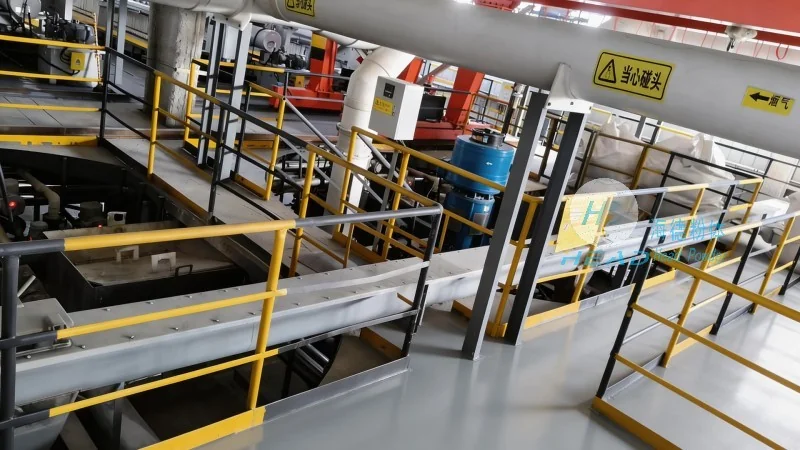
Pneumatic Conveying: The Preferred Solution for Aluminum Turnings
Pneumatic conveying, also known as air conveying, utilizes compressed air to transport aluminum turnings through a pipeline system. This method is particularly effective for aluminum turnings due to its ability to handle fine particles and prevent material degradation. There are two main types of pneumatic conveying: pressure and vacuum systems. Pressure systems use positive pressure to push material through the pipeline, while vacuum systems use negative pressure to pull material. Both systems offer advantages in terms of material transport efficiency and system flexibility.
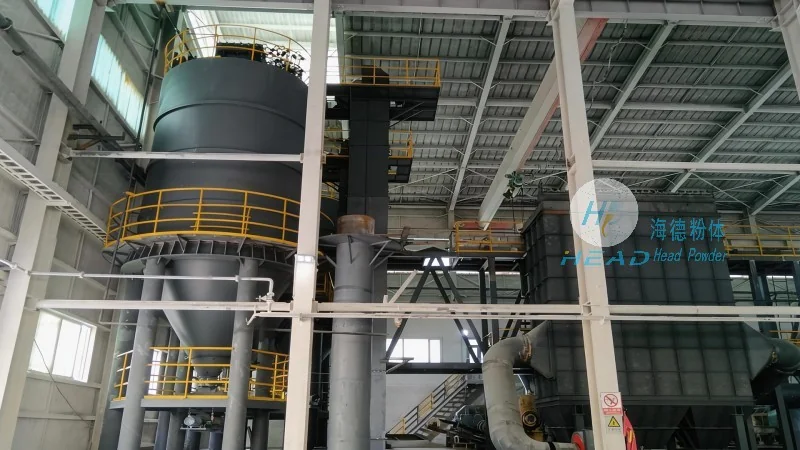
Advantages of Pneumatic Conveying for Aluminum Turnings
Compared to mechanical conveying, pneumatic conveying provides several key benefits for aluminum turnings transport. Firstly, it minimizes material handling losses and contamination, which is crucial for maintaining the quality of aluminum products. Secondly, pneumatic systems allow for continuous, unattended operation, reducing labor costs and increasing production throughput. Additionally, the enclosed pipeline design prevents dust emissions and improves workplace safety. These advantages make pneumatic conveying an ideal choice for industries requiring high-purity aluminum turnings and efficient material handling.
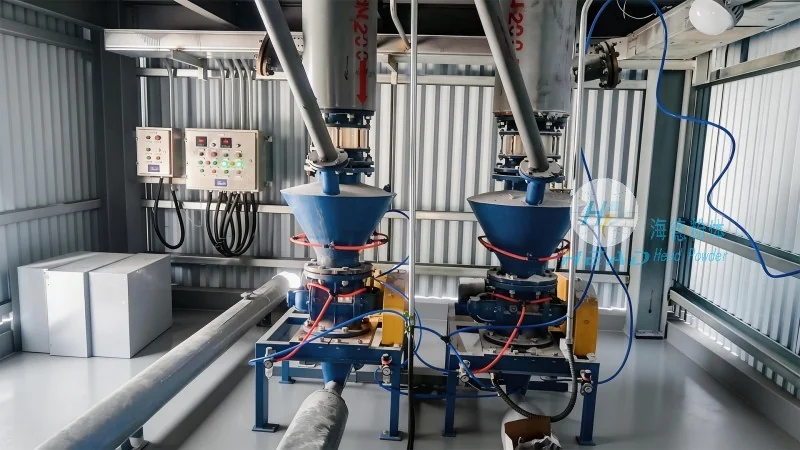
Application Examples in the Metalworking Industry
Aluminum turnings are commonly used in the production of aluminum alloys, automotive parts, and aerospace components. The efficient transport of these materials is critical to the success of manufacturing processes. For instance, in automotive manufacturing, aluminum turnings are used to produce lightweight components, and the use of pneumatic conveying ensures that these materials are delivered to the processing line without any contamination or loss. Similarly, in aerospace applications, where material purity is paramount, pneumatic conveying systems are essential for maintaining the quality of aluminum turnings used in aircraft parts.
Conclusion and Company Commitment
Choosing the right aluminum turnings conveying method is essential for optimizing production efficiency and maintaining material quality. While mechanical systems have their place, pneumatic conveying offers superior performance and flexibility for many applications. Shandong HeadPowder Engineering Co., Ltd. is committed to providing customized pneumatic conveying solutions that meet the specific needs of its clients. With years of experience and a focus on innovation, HeadPowder continues to be a trusted partner in the metalworking industry, delivering reliable and efficient material handling systems.




