

What is a Mixed-Mode Bulk Material Pneumatic Conveying System? And What Are Its Design Principles?
For industrial applications requiring efficient and flexible bulk material handling, mixed-mode pneumatic conveying systems have emerged as a versatile solution. These systems combine different conveying modes—such as dilute phase and dense phase—to optimize performance based on the characteristics of the material being transported. Understanding what a mixed-mode bulk material pneumatic conveying system is, along with its design principles, is crucial for selecting the right equipment for specific operational needs.
Introduction to Mixed-Mode Bulk Material Pneumatic Conveying Systems
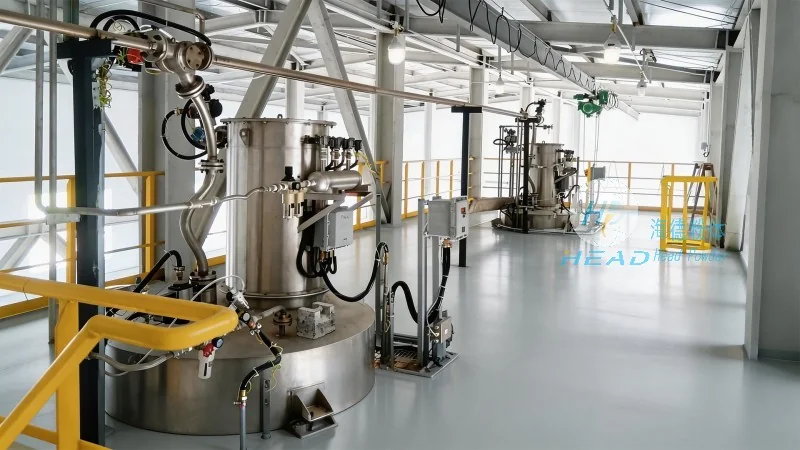
A mixed-mode bulk material pneumatic conveying system is a type of equipment designed to transport dry bulk materials through a pipeline using compressed air or other gas. Unlike traditional single-mode systems, mixed-mode systems integrate multiple conveying techniques to address the diverse challenges posed by different materials. This approach allows for enhanced control over material flow, pressure, and velocity, ensuring safe and efficient transport in various industrial settings. The system typically consists of a feeding mechanism, a conveying line, a separation unit, and a discharge device, all working in tandem to achieve reliable material handling.
Key Components of a Mixed-Mode Bulk Material Pneumatic Conveying System
The core components of a mixed-mode system include the material feeder, which introduces the bulk material into the system; the air compressor or blower, which provides the necessary airflow; the conveying pipeline, which transports the material; the separation unit, which separates the material from the air; and the discharge equipment, which delivers the material to its destination. Each component plays a critical role in the overall performance of the system. For instance, the feeder must handle the material's properties—such as particle size, density, and flowability—to ensure consistent feeding. The air compressor must generate sufficient pressure and volume to maintain the desired conveying velocity. The separation unit, often a cyclone or filter, is essential for removing the material from the air stream and preventing dust contamination. The discharge device, such as a rotary valve or gate valve, controls the release of the material to the final storage or processing area.
Design Principles for Mixed-Mode Bulk Material Pneumatic Conveying Systems
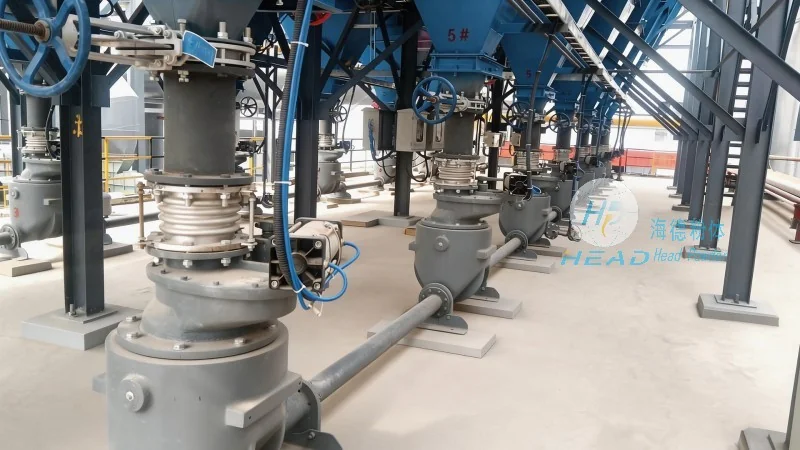
The design of a mixed-mode system is tailored to the specific requirements of the material being transported and the operational conditions. Several key principles guide the engineering process. First, the system must accommodate the material's physical characteristics, including particle size distribution, moisture content, and abrasiveness. These factors influence the choice of conveying mode—dilute phase for light, free-flowing materials and dense phase for heavy, abrasive, or sensitive materials. Second, the system must maintain appropriate pressure and velocity to prevent material degradation or blockages. The design must consider the maximum and minimum conveying rates to ensure the system can handle varying loads without compromising efficiency. Third, the system must incorporate safety features to protect personnel and equipment. This includes pressure relief valves, dust collection systems, and proper ventilation to minimize the risk of explosions or inhalation hazards. Additionally, the design should prioritize energy efficiency by optimizing the air flow and reducing unnecessary losses.
Advantages of Mixed-Mode Bulk Material Pneumatic Conveying Systems
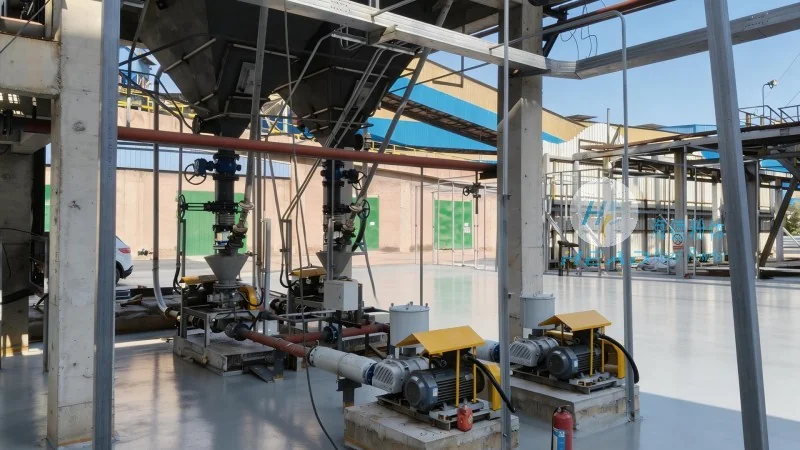
Compared to traditional single-mode systems, mixed-mode pneumatic conveying offers several advantages. One of the primary benefits is its adaptability to a wide range of materials and applications. By combining dilute and dense phase modes, the system can handle both light and heavy materials, making it suitable for industries such as food processing, pharmaceuticals, and chemical manufacturing. Another advantage is improved material control, as the system allows for precise adjustment of flow rates and pressure. This leads to better product quality and reduced waste. Furthermore, mixed-mode systems can cover longer distances and handle multiple transfer points, making them ideal for complex industrial layouts. The ability to integrate with other processing equipment also enhances overall operational efficiency.
Applications of Mixed-Mode Bulk Material Pneumatic Conveying Systems
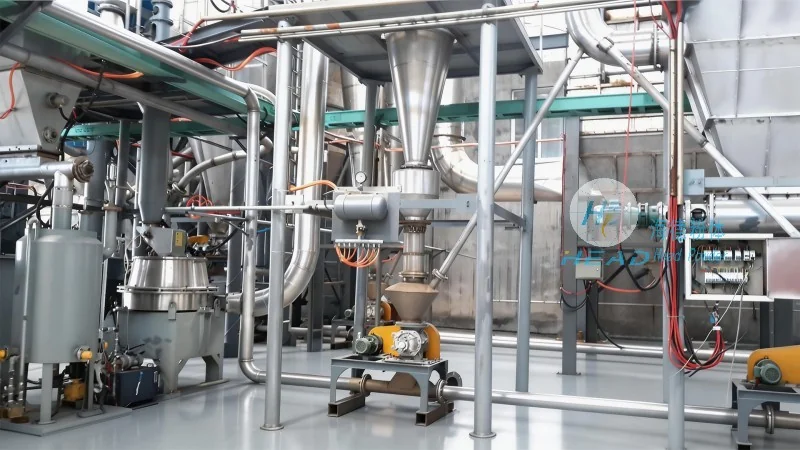
Mixed-mode pneumatic conveying systems are widely used in various industries due to their versatility and efficiency. In the food and beverage industry, these systems are employed to transport ingredients like flour, sugar, and spices, ensuring hygienic and dust-free handling. The pharmaceutical industry utilizes mixed-mode systems to convey active pharmaceutical ingredients (APIs) and excipients, maintaining strict contamination control. In the chemical industry, the systems handle abrasive and corrosive materials, such as powders and granules, while minimizing material degradation. Additionally, mixed-mode systems are used in the mining and minerals sector to transport ore and other bulk materials from processing plants to storage facilities. The ability to handle diverse materials and operational conditions makes mixed-mode systems a preferred choice for many industrial applications.
Conclusion and Company Information
Understanding the design principles and components of a mixed-mode bulk material pneumatic conveying system is essential for optimizing material handling in industrial settings. These systems offer a flexible and efficient solution for transporting a wide range of dry bulk materials. By combining different conveying modes, mixed-mode systems address the unique challenges posed by various materials, ensuring reliable and safe operation. For businesses seeking to enhance their material handling capabilities, investing in a well-designed mixed-mode pneumatic conveying system can lead to improved productivity and reduced operational costs. Shandong HeadPowder Engineering Co., Ltd., a leading manufacturer based in China, specializes in the design and production of advanced pneumatic conveying equipment. With years of experience in the industry, the company provides customized solutions tailored to the specific needs of its clients. Located in Shandong, China, HeadPowder Engineering Co., Ltd. leverages its expertise to deliver high-quality mixed-mode systems that meet the highest standards of performance and reliability. Whether for food processing, pharmaceuticals, or chemical manufacturing, the company's products are engineered to ensure efficient and safe material transport, contributing to the success of industrial operations worldwide.