When it comes to managing dust and fly ash in industrial settings, the choice of conveying method is critical. Efficient and reliable transport of these materials not only enhances operational efficiency but also ensures compliance with environmental regulations. Various methods are available, each with its own advantages and applications. This article explores common dust and fly ash conveying methods, with a focus on the modern and versatile approach of pneumatic conveying.
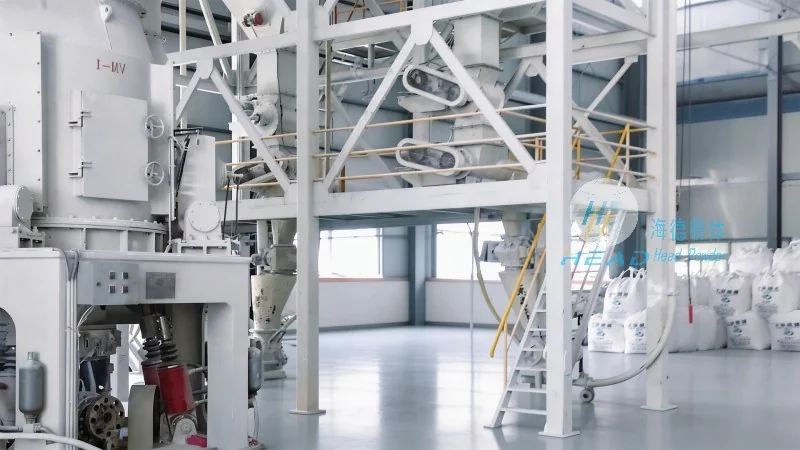
Introduction to Dust and Fly Ash Conveying
Dust and fly ash are byproducts of industrial processes such as power generation, cement production, and metal smelting. These materials need to be transported from one location to another for disposal, recycling, or further processing. The selection of a suitable conveying method depends on factors like material characteristics, distance, volume, and environmental considerations. Traditional methods include mechanical conveyors like screw conveyors and belt conveyors, while modern solutions often involve pneumatic systems.
Traditional Conveying Methods for Dust and Fly Ash
1. Screw Conveyors: Screw conveyors are widely used for transporting bulk materials, including dust and fly ash. They consist of a rotating screw inside a trough, which moves material forward. These systems are suitable for short to medium distances and can handle dry or slightly moist materials. However, they may experience issues with material buildup and wear on the screw and trough, especially with abrasive dust and fly ash.
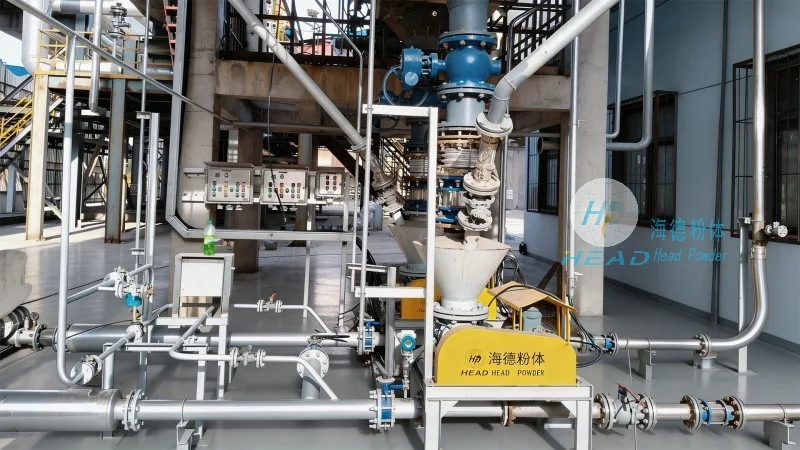
2. Belt Conveyors: Belt conveyors use a continuous belt to transport materials over a series of rollers. They are effective for longer distances and higher volumes. Belt conveyors can handle a wide range of materials, including dusty and ash-laden substances. However, they require regular maintenance to prevent belt slippage and wear, and they may not be suitable for very fine or powdery materials that can cause dusting or clogging.
3. Pipe Conveyors: Pipe conveyors, also known as tube conveyors, use flexible hoses or rigid pipes to transport materials. They are particularly useful for transporting materials in enclosed systems, reducing dust emissions and environmental impact. These systems are often used for short to medium distances and can handle fine powders and dust. However, they may have limitations in terms of material flow and pressure, requiring careful design and maintenance.
Pneumatic Conveying Systems: A Modern Solution for Dust and Fly Ash Handling
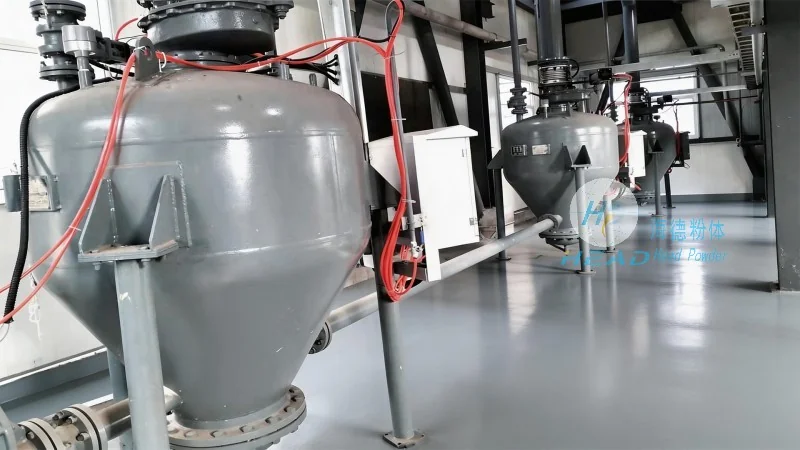
Pneumatic conveying, or air-based conveying, is a method that uses pressurized air or vacuum to move materials through a pipeline. This technology offers several advantages over traditional mechanical systems, making it an ideal choice for dust and fly ash transport. Pneumatic systems can handle a wide range of materials, from fine powders to larger particles, and can transport materials over long distances with minimal maintenance.
There are two main types of pneumatic conveying systems: pressure and vacuum. Pressure systems use compressed air to push material through the pipeline, while vacuum systems use a vacuum to draw material into the system. Both types can be customized to meet specific operational requirements, such as material characteristics, distance, and flow rates.
Key advantages of pneumatic conveying for dust and fly ash include:
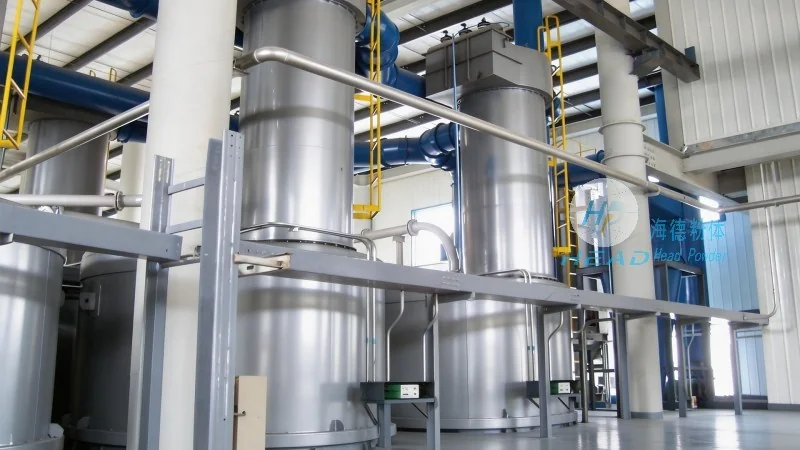
- Reduced Maintenance: Pneumatic systems have fewer moving parts compared to mechanical conveyors, reducing the need for frequent maintenance and minimizing downtime.
- Low Environmental Impact: Enclosed systems prevent dust emissions, making them environmentally friendly and compliant with regulations.
- Flexibility: Pneumatic systems can be easily adjusted to handle different material types and flow rates, providing flexibility in industrial applications.
- Efficient Material Transport: They can transport materials over long distances with high efficiency, ensuring consistent and reliable operation.
HeadPowder, a leading provider of dust and fly ash handling solutions, offers advanced pneumatic conveying systems tailored to the needs of industrial clients. HeadPowder is Shandong HeadPowder Engineering Co., Ltd., a company based in Shandong, China, with extensive experience in designing and manufacturing efficient dust and fly ash transport systems. Our pneumatic systems are designed to handle a wide range of materials, including fine powders, dust, and fly ash. We use high-quality components and advanced technology to ensure reliable performance and minimal maintenance. HeadPowder's solutions are suitable for various industrial applications, from power plants to cement factories, and can be customized to meet specific operational requirements.
Conclusion
Choosing the right dust and fly ash conveying method is essential for efficient industrial operations. While traditional methods like screw and belt conveyors have their uses, pneumatic conveying offers modern advantages in terms of efficiency, reliability, and environmental impact. For industrial clients seeking a reliable and sustainable solution, pneumatic conveying, particularly from a trusted provider like HeadPowder, is an excellent choice.




