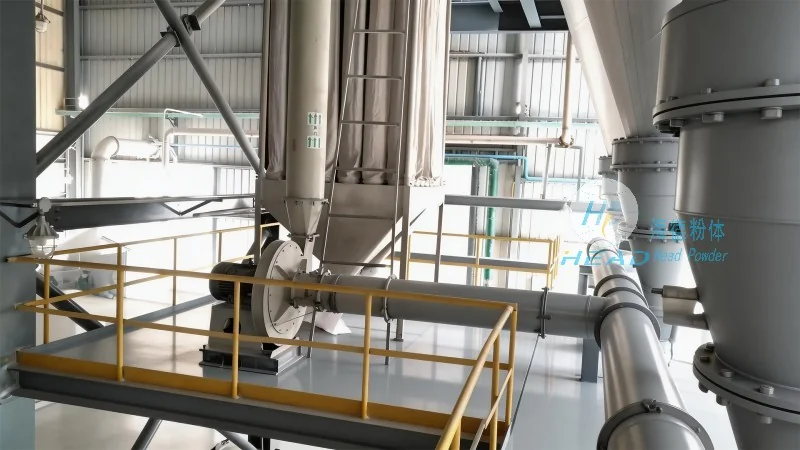
When it comes to the efficient handling and transportation of cornstarch, selecting the right conveying method is crucial for maintaining product quality and operational efficiency in various industrial applications. Cornstarch, a fine powder with high moisture content and potential for caking, requires specialized equipment to ensure safe and reliable movement through processing lines. This article explores common cornstarch conveying methods, with a particular focus on the advantages and applications of pneumatic conveying systems.
Overview of Cornstarch Conveying Challenges
Before delving into specific conveying technologies, it is essential to understand the unique challenges associated with cornstarch. As a fine powder, cornstarch is prone to dust generation, which can affect air quality and worker safety. Additionally, its hygroscopic nature means it can absorb moisture from the environment, leading to caking and blockages in traditional conveying systems. These factors make conventional methods like manual handling or simple gravity flow unsuitable for large-scale operations. Therefore, industrial facilities often rely on advanced systems designed to address these challenges effectively.
Common Conveying Methods for Cornstarch
Several methods are employed in the industry to transport cornstarch, each with its own set of advantages and limitations. The choice of method typically depends on factors such as material characteristics, plant layout, and budget constraints. Below are some of the most widely used approaches:
1. Mechanical Conveying Systems
Mechanical conveying systems utilize mechanical components to move cornstarch through pipelines or chutes. These systems include belt conveyors, screw conveyors, and bucket elevators. Belt conveyors are ideal for horizontal or slightly inclined transport, while screw conveyors are suitable for vertical or inclined movement. Both systems rely on continuous motion to push the material forward. However, mechanical conveyors may struggle with fine powders due to the risk of material buildup and blockages in the screw or belt. This can lead to reduced efficiency and increased maintenance costs.
2. Gravity Conveying
Gravity conveying involves the use of chutes or inclined planes to allow cornstarch to flow under the influence of gravity. This method is simple and cost-effective for short distances and low volumes. However, it is highly dependent on the material's flow characteristics and the angle of the chute. Fine powders like cornstarch often exhibit poor flowability, making gravity conveyors impractical for most industrial applications. Additionally, gravity systems require careful design to prevent dust accumulation and ensure consistent flow rates.
3. Pneumatic Conveying: The Preferred Solution
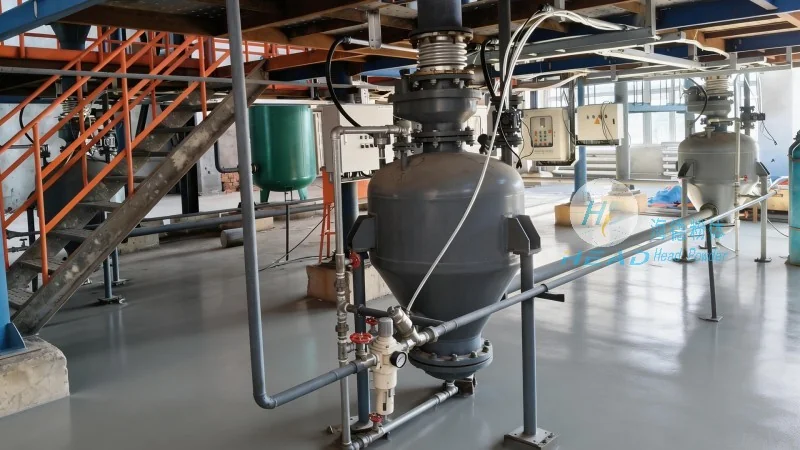
Pneumatic conveying, also known as air conveying, is widely regarded as the most effective method for handling cornstarch. This technology uses compressed air to transport the material through a closed pipeline system. The system can be classified into two main types: pressure and vacuum. Pressure systems push the material forward using high-pressure air, while vacuum systems pull the material through the line using low-pressure air. Pneumatic conveying offers several advantages over mechanical or gravity methods, including the ability to handle fine powders without blockages, reduced dust generation, and the flexibility to transport materials over long distances.
Key Features of Pneumatic Conveying for Cornstarch
Shandong HeadPowder Engineering Co., Ltd., a leading provider of industrial conveying solutions, specializes in designing and manufacturing pneumatic conveying systems tailored to the needs of cornstarch processing facilities. Their expertise lies in addressing the unique challenges of cornstarch, such as its fine particle size and hygroscopic properties. The company's systems are equipped with features that enhance efficiency and reliability:
1. High-Pressure Air Systems
High-pressure pneumatic conveying systems use compressed air to create a strong flow of material through the pipeline. These systems are capable of transporting cornstarch over long distances, often exceeding 100 meters, with minimal pressure loss. The high velocity of the air ensures that the fine powder remains suspended and moves smoothly through the line, reducing the risk of caking and blockages. Shandong HeadPowder's high-pressure systems are designed with robust components, including high-efficiency blowers and specialized nozzles, to maintain consistent performance.
2. Vacuum Conveying Systems
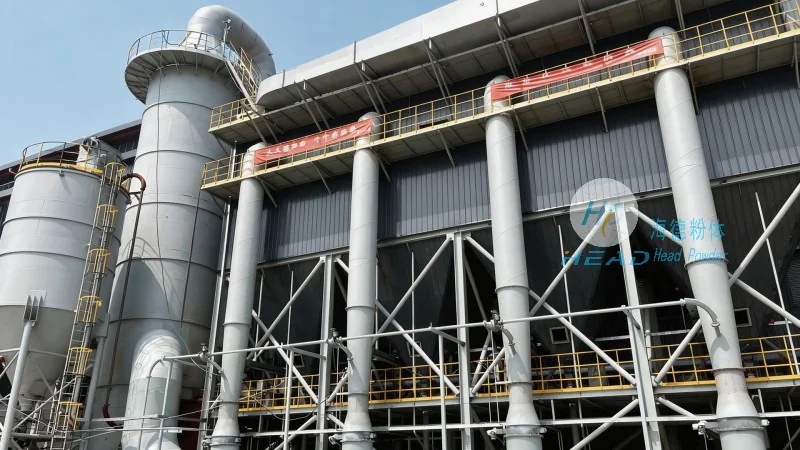
Vacuum pneumatic conveying systems are particularly useful for applications where the cornstarch needs to be transported from a lower elevation to a higher one or when the material is located in a confined space. These systems create a low-pressure environment that draws the material into the pipeline. Vacuum systems are ideal for handling materials that are difficult to push, such as fine powders that may stick to the walls of traditional conveyors. Shandong HeadPowder offers vacuum solutions that include advanced filters to capture dust and maintain air quality, ensuring compliance with environmental regulations.
3. Hybrid Conveying Systems
Hybrid pneumatic systems combine both pressure and vacuum components to provide flexibility in material handling. These systems can switch between pressure and vacuum modes depending on the operational requirements, allowing for efficient transport of cornstarch in complex layouts. For example, a hybrid system might use pressure to move material from a silo to a processing unit and then switch to vacuum to transport the material to a storage bin. This adaptability makes hybrid systems a popular choice for large-scale cornstarch processing plants.
Benefits of Pneumatic Conveying for Cornstarch Processing
The adoption of pneumatic conveying systems in cornstarch processing facilities offers numerous benefits that directly impact operational efficiency and product quality. These advantages include:
1. Improved Product Quality
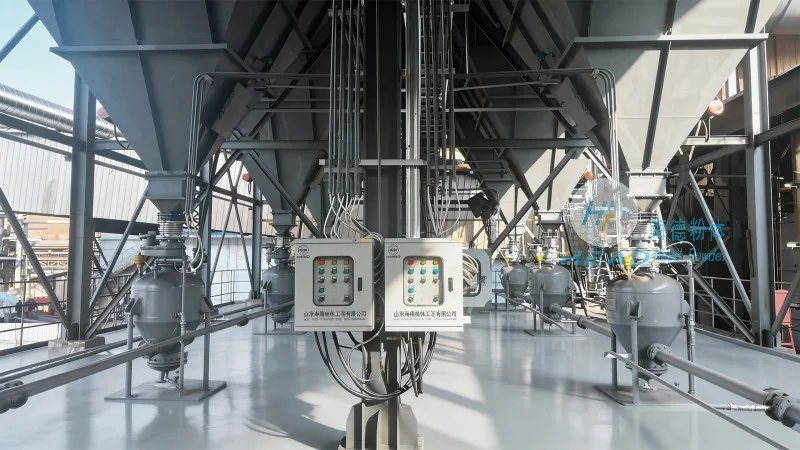
By minimizing contact with external elements and reducing the risk of contamination, pneumatic conveying helps maintain the purity and quality of cornstarch. The enclosed pipeline system prevents dust from entering the material, which is critical for applications where the powder is used in food or pharmaceutical products. Additionally, the gentle handling of the material reduces particle breakage, preserving the texture and functionality of the cornstarch.
2. Enhanced Safety and Environmental Compliance
Pneumatic conveying systems significantly reduce dust exposure for workers, improving workplace safety. The enclosed design also helps control dust emissions, making it easier for facilities to comply with environmental regulations. Shandong HeadPowder's systems are equipped with advanced filtration and dust collection systems to ensure that air quality remains within acceptable limits.
3. Increased Operational Efficiency
With the ability to transport cornstarch over long distances and handle large volumes, pneumatic conveying systems reduce the need for multiple transfer points and manual handling. This leads to faster processing times and lower labor costs. The automated nature of these systems also minimizes downtime due to blockages or maintenance, contributing to overall operational efficiency.
Conclusion
Choosing the right cornstarch conveying method is essential for optimizing industrial processes and ensuring product quality. While mechanical and gravity systems have their place, pneumatic conveying stands out as the most effective solution for handling fine, hygroscopic materials like cornstarch. Shandong HeadPowder Engineering Co., Ltd. provides specialized pneumatic conveying systems that address the unique challenges of cornstarch processing, offering benefits such as improved safety, enhanced product quality, and increased operational efficiency. For facilities looking to upgrade their cornstarch handling capabilities, pneumatic conveying remains the preferred choice, supported by the expertise and innovation of companies like HeadPowder.




