

What is an Intermittent Bulk Material Pneumatic Conveying System? And What Are Its Design Principles
Intermittent bulk material pneumatic conveying systems are specialized equipment used in industrial settings to transport bulk materials over short to medium distances. These systems are particularly valuable in applications where materials need to be moved from one location to another without the need for continuous flow, offering flexibility and efficiency in material handling processes. The design principles behind such systems are critical to ensuring reliable operation, material integrity, and energy efficiency. Shandong HeadPowder Engineering Co., Ltd., a leading manufacturer based in China, specializes in the design and production of such systems, leveraging advanced engineering principles to deliver high-performance solutions for various industrial sectors.
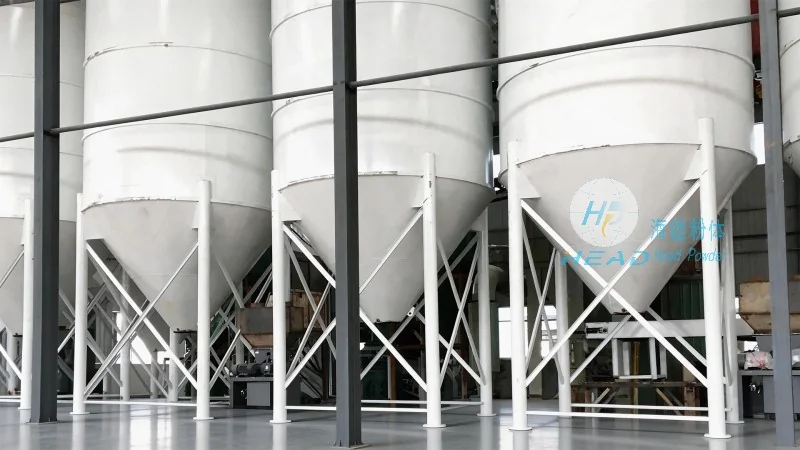
Understanding the Core Components of an Intermittent Pneumatic Conveying System
An intermittent bulk material pneumatic conveying system typically consists of several key components that work in tandem to achieve material transport. The primary elements include a hopper or feed hopper for material storage, a rotary valve or feeder to control the flow of material into the system, a conveying pipe network that transports the material, a pressure vessel or receiver to collect the material at the destination, and a vacuum or pressure source (such as a blower or compressor) to generate the airflow. Each component plays a crucial role in the overall functionality of the system, and their design and integration are essential to the system's performance. The hopper is designed to hold the bulk material and provide a controlled feed to the rotary valve, which acts as a gate to regulate the material flow into the conveying line. The conveying pipe network is constructed from materials that are compatible with the conveyed material, such as stainless steel or plastic, to prevent material contamination and ensure durability. The pressure vessel or receiver is used to collect the material at the end of the conveying line and may include features like a discharge valve or a dust collection system to manage material handling.
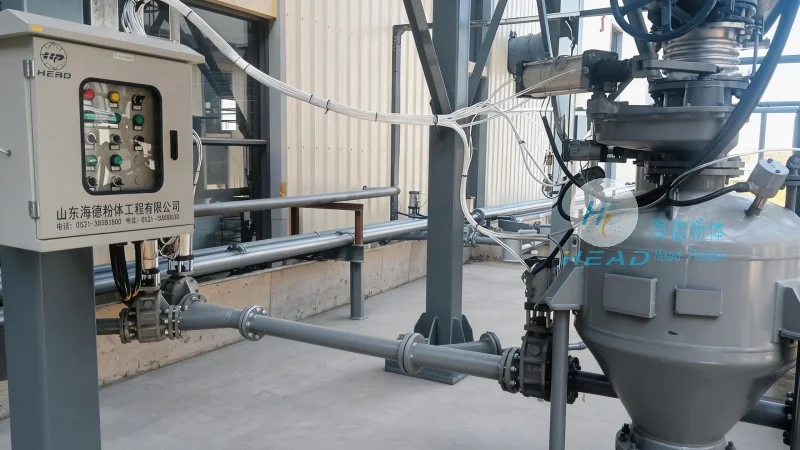
The Working Principle of Intermittent Pneumatic Conveying
The operation of an intermittent pneumatic conveying system involves the use of air to create a flow of material through the conveying line. In this system, material is introduced into the hopper and then fed into the conveying pipe by the rotary valve. The air source then generates a pressure or vacuum that propels the material through the pipe. The material is carried in the form of a dilute or dense phase, depending on the system design and the properties of the material being conveyed. The intermittent nature of the system means that material is transported in discrete batches or pulses, rather than a continuous stream, which allows for better control over the material flow and reduces the risk of material degradation or blockages. The air source is typically selected based on the required pressure or vacuum level and the volume of air needed to move the material. Common air sources include rotary lobe blowers for pressure systems and vacuum pumps for suction systems. The system's control system manages the timing of material feed and air flow to ensure efficient and consistent operation.
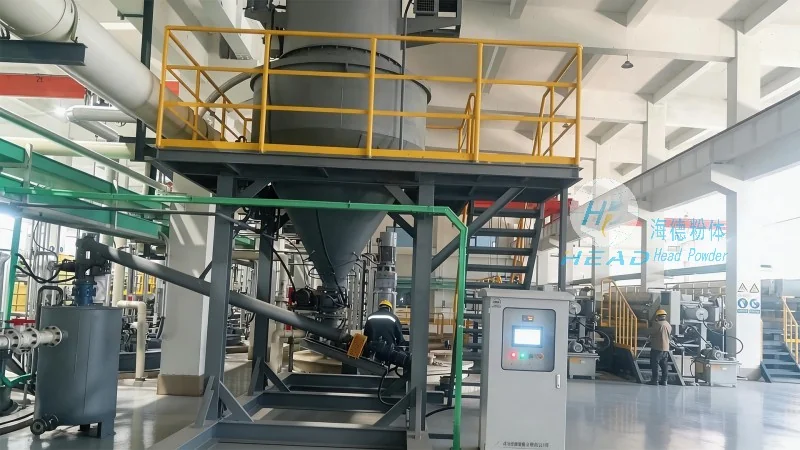
Design Principles for Optimal Performance
The design of an intermittent bulk material pneumatic conveying system is governed by several key principles aimed at ensuring efficient and reliable operation. One of the primary considerations is the selection of the appropriate air source, which must be capable of generating sufficient pressure or vacuum to move the material through the system while minimizing energy consumption. The conveying pipe diameter and length are also critical factors, as they directly impact the pressure drop and the required air volume. The system's design must also account for the material's properties, such as particle size, density, and moisture content, as these factors influence the conveying velocity and the system's overall efficiency. Additionally, the system must incorporate features for material handling, such as the rotary valve and hopper design, to ensure smooth and consistent material feed. The receiver or pressure vessel must be designed to handle the material's characteristics and to prevent material degradation or contamination during storage. The system's design may also include features like a filter or cyclone to remove air contaminants and protect the equipment from wear and tear. The integration of these components is essential to achieving the desired performance and longevity of the system.
Applications and Benefits of Intermittent Pneumatic Conveying
Intermittent bulk material pneumatic conveying systems are widely used in various industries, including food processing, pharmaceuticals, chemicals, and minerals. These systems are particularly suitable for applications where materials need to be transported from one processing unit to another, such as from a mixer to a dryer or from a storage silo to a packaging line. The benefits of using an intermittent pneumatic conveying system include improved material handling efficiency, reduced labor costs, and enhanced safety compared to traditional methods like manual handling or mechanical conveyors. The system's flexibility allows for easy integration into existing production lines and can be customized to meet specific application requirements. Additionally, the system's ability to handle a wide range of materials, including powders, granules, and bulk solids, makes it a versatile solution for many industrial processes. For example, in the food industry, intermittent pneumatic conveying systems are used to transport ingredients like flour, sugar, and spices from storage to production lines, ensuring that the materials are handled hygienically and efficiently. In the pharmaceutical industry, such systems are used to transport active pharmaceutical ingredients (APIs) and excipients, maintaining the purity and integrity of the materials. The chemical industry also benefits from these systems, as they can handle corrosive or hazardous materials while providing a safe and controlled transport method.
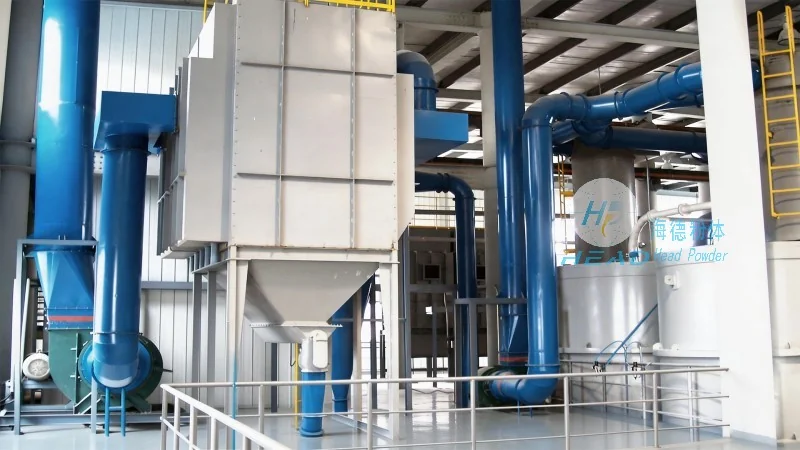
Conclusion
In summary, an intermittent bulk material pneumatic conveying system is a sophisticated piece of equipment designed to transport bulk materials efficiently and reliably. The design principles behind such systems focus on optimizing material flow, energy efficiency, and material integrity. By carefully selecting and integrating the key components, such as the hopper, rotary valve, conveying pipe, and air source, manufacturers can develop systems that meet the specific needs of various industrial applications. The use of intermittent pneumatic conveying systems offers significant advantages over traditional material handling methods, including improved efficiency, reduced costs, and enhanced safety. As industrial processes continue to evolve, the demand for advanced material handling solutions like intermittent pneumatic conveying systems is expected to grow, making them an essential component of modern industrial operations. Shandong HeadPowder Engineering Co., Ltd. remains committed to providing high-quality, customized solutions that meet the evolving needs of the industry, leveraging its expertise in engineering and manufacturing to deliver systems that enhance productivity and operational efficiency for its clients.