

What is a Bamboo Powder Material Pneumatic Conveying Line? What Are Its Design Principles?
Bamboo powder material pneumatic conveying lines are specialized systems engineered to transport fine powders, such as bamboo powder, through a pressurized or vacuum environment. These systems are widely used in industries that handle dry, particulate materials, offering an efficient and dust-free alternative to traditional mechanical conveying methods. The design of such lines is critical to ensure optimal performance, reliability, and safety, especially when dealing with materials like bamboo powder, which can be sensitive to moisture and agglomeration.
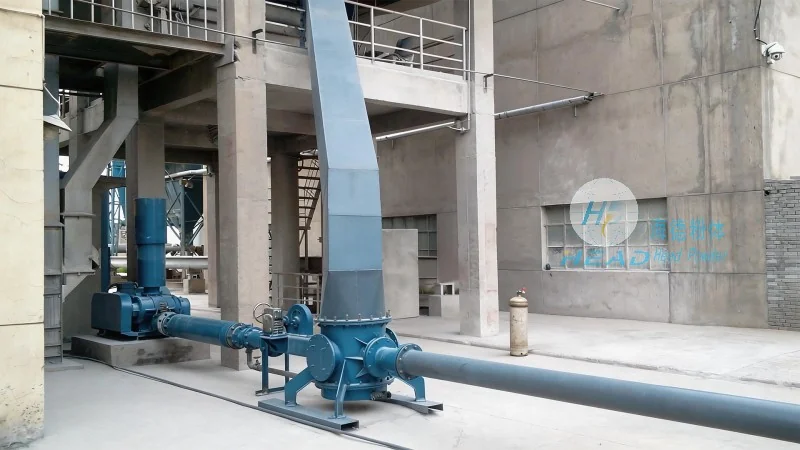
About Shandong HeadPowder Engineering Co., Ltd.
As a leading provider in the field, Shandong HeadPowder Engineering Co., Ltd. specializes in the design, manufacturing, and installation of pneumatic conveying systems tailored to diverse industrial needs. With a focus on innovation and precision engineering, HeadPowder delivers solutions that enhance operational efficiency and product quality. Based in Shandong, China, the company leverages local expertise and advanced technology to meet global standards in material handling equipment.
Characteristics of Bamboo Powder and Its Impact on Conveying Design
Bamboo powder is a fine, lightweight material that poses unique challenges in material handling. Its high surface area and tendency to form agglomerates or clumps require careful consideration during the design of pneumatic conveying systems. Factors such as particle size distribution, moisture content, and bulk density directly influence the selection of conveying velocity, system pressure, and equipment components. A well-designed system must address these characteristics to prevent blockages, ensure consistent flow, and maintain product integrity throughout the conveying process.
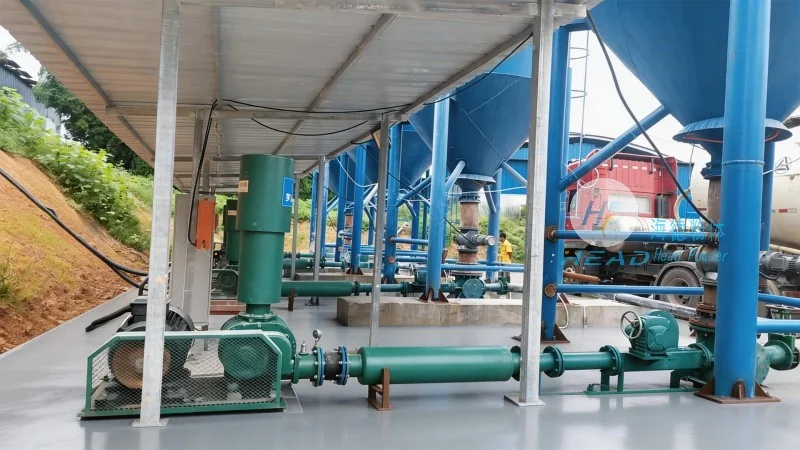
Design Principles of Pneumatic Conveying Lines for Bamboo Powder
The design of a bamboo powder pneumatic conveying line involves several key principles, including system classification, component selection, and operational parameters. Pneumatic conveying systems are typically categorized as pressure or vacuum systems, each with distinct advantages and applications. For bamboo powder, pressure systems are often preferred due to their ability to handle fine powders and maintain consistent flow rates. The design process begins with determining the required conveying capacity, which is influenced by the production rate of the bamboo powder and the distance to be covered.
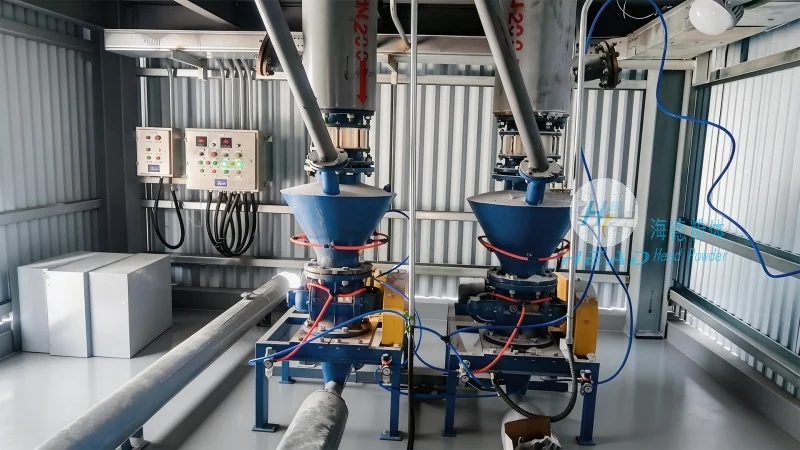
Key components of a pneumatic conveying line include the hopper, feeder, conveying line, and receiver. The hopper is designed to store the bamboo powder and provide a uniform feed to the feeder. The feeder, usually a rotary or vibratory type, ensures a controlled and continuous supply of material into the conveying line. The conveying line itself is typically made of stainless steel or other corrosion-resistant materials to prevent contamination and ensure durability. The receiver is used to collect the conveyed powder and may include features such as a dust collection system to maintain a clean environment.
Operational parameters, such as air velocity and pressure, are critical to the performance of the system. The air velocity must be sufficient to overcome the resistance of the powder particles and maintain a stable flow. However, excessive velocity can lead to increased energy consumption and potential damage to the conveying line. The pressure in the system is also carefully controlled to ensure that the bamboo powder is conveyed efficiently without causing excessive wear or degradation. Design engineers must consider factors like particle size, density, and flow characteristics to optimize these parameters and achieve the desired conveying efficiency.