

Working Principle and Characteristics of Graphite Pneumatic Conveying
Graphite pneumatic conveying is a specialized method used in material handling and processing industries to transport graphite powders or granules through a pipeline system using air or gas as the conveying medium. This technology offers an efficient and flexible solution for moving graphite materials, which are often used in various industrial applications due to their unique properties such as high thermal conductivity, electrical conductivity, and chemical resistance. The process involves creating a flow of air or gas within a pipeline, which then carries the graphite particles from the source to the destination. Understanding the working principle and key characteristics of this system is crucial for optimizing its performance and ensuring reliable operation in industrial settings.
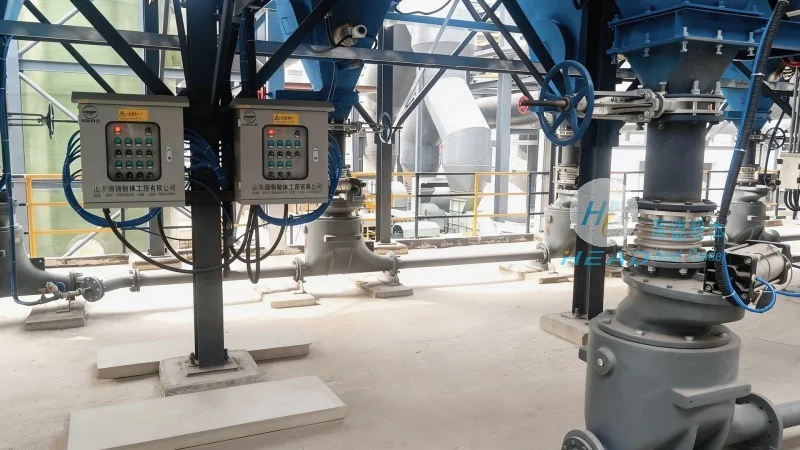
Working Principle of Graphite Pneumatic Conveying
The core mechanism of graphite pneumatic conveying relies on the interaction between the graphite material and the conveying air or gas. The process typically begins with the graphite being fed into a hopper or feeder, where it is then introduced into a pipeline. A fan or blower generates a flow of air or gas at a specific velocity, which is sufficient to lift and transport the graphite particles. The air velocity must be high enough to overcome the gravitational force acting on the particles and to maintain a stable flow within the pipeline. As the air flows through the pipeline, it carries the graphite particles, which are then discharged at the receiving end. The system may include components such as a cyclone separator, which helps to separate the graphite particles from the air stream, allowing the air to be recirculated or discharged while the graphite is collected for further use. This closed-loop or open-loop system ensures efficient material transport while minimizing dust emissions and maintaining product quality.
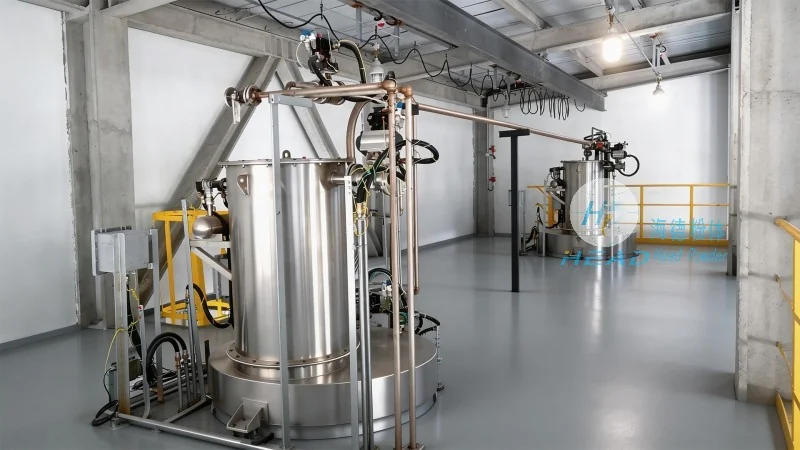
Key Characteristics of Graphite Pneumatic Conveying Systems
Graphite pneumatic conveying systems exhibit several notable characteristics that make them suitable for handling graphite materials. One of the primary advantages is the ability to transport graphite in a dust-free environment, which is essential for maintaining product purity and preventing contamination. The system can handle a wide range of graphite particle sizes, from fine powders to larger granules, making it versatile for different applications. Additionally, the conveying process is relatively fast and can cover long distances, reducing the need for manual handling and improving operational efficiency. Another important characteristic is the ability to control the flow rate and pressure within the system, which allows for precise regulation of the material transport. This control is crucial for maintaining consistent product quality and preventing overloading or underloading of the pipeline. The system also offers flexibility in terms of layout, as the pipeline can be configured in various configurations to suit the specific requirements of the industrial facility. Furthermore, the use of air as the conveying medium reduces the risk of mechanical wear and damage to the graphite particles, preserving their integrity and performance.
Applications and Benefits in Industrial Settings
Graphite pneumatic conveying systems are widely used in various industrial sectors that rely on graphite materials. In the manufacturing of refractory products, graphite is often used as a raw material, and pneumatic conveying allows for efficient transport from storage to processing equipment. Similarly, in the production of electrodes and other electrical components, graphite is conveyed to the production lines with minimal contamination. The automotive and aerospace industries also benefit from this technology, as graphite is used in components that require high thermal and electrical conductivity. The benefits of using graphite pneumatic conveying include improved safety due to reduced dust exposure, enhanced product quality through better control of particle size and purity, and increased operational efficiency through faster and more reliable material transport. These advantages make the system a preferred choice for industries that require consistent and high-quality graphite supply.
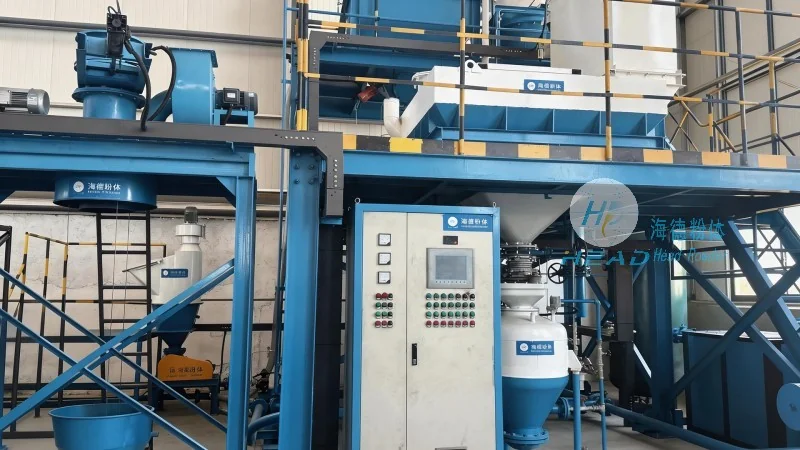
Company Information: Shandong HeadPowder Engineering Co., Ltd.
Shandong HeadPowder Engineering Co., Ltd., operating under the brand name HeadPowder, specializes in the design, manufacturing, and installation of pneumatic conveying systems for various industrial materials, including graphite. The company is headquartered in Shandong, China, and has extensive experience in providing customized solutions tailored to the specific needs of clients. With a focus on quality and reliability, HeadPowder ensures that its systems meet the highest industry standards and are optimized for efficient material handling. The company's expertise in graphite handling and pneumatic conveying technology enables it to deliver effective solutions that enhance productivity and reduce operational costs for its clients. By leveraging advanced engineering and manufacturing capabilities, HeadPowder continues to be a trusted partner in the industrial material handling sector.