Inorganic salt crystal pneumatic conveying is a critical technology for efficient bulk material handling in various industrial sectors. This article explores the fundamental working principles and distinctive features of this method, offering a comprehensive understanding of its operational mechanics and practical advantages.
Working Principle of Inorganic Salt Crystal Pneumatic Conveying
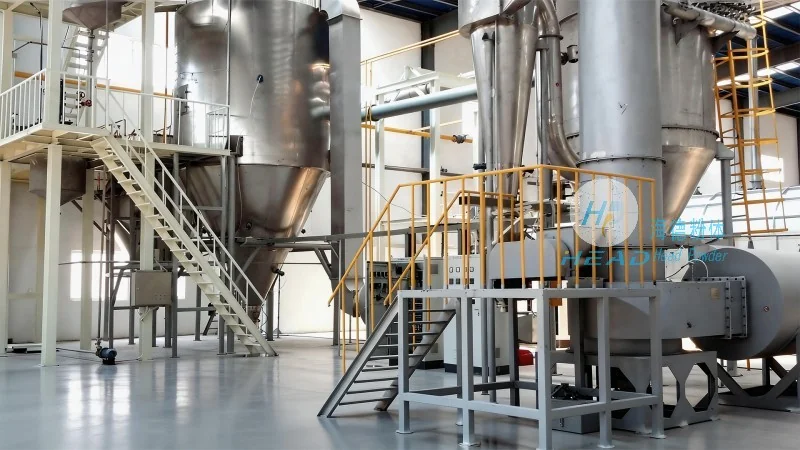
The process of inorganic salt crystal pneumatic conveying relies on the use of air or gas to transport solid particles through a pipeline system. The operation typically involves several coordinated steps that ensure reliable material transfer. Initially, inorganic salt crystals are fed into a hopper or feeder, where they are then introduced into the conveying line under controlled conditions. A blower or compressor generates the necessary air flow, creating a pressure differential within the pipeline. This differential draws the salt crystals into the air stream, forming a suspension that moves through the pipeline to the destination point. The air flow is carefully regulated to maintain optimal velocity and pressure, preventing particle degradation or blockage. At the receiving end, the air and crystals are separated—often via a cyclone or filter—allowing the salt crystals to be collected while the air is discharged or recirculated. This system eliminates the need for mechanical components like belts or buckets, reducing maintenance requirements and operational costs.
Key Characteristics of Inorganic Salt Crystal Pneumatic Conveying
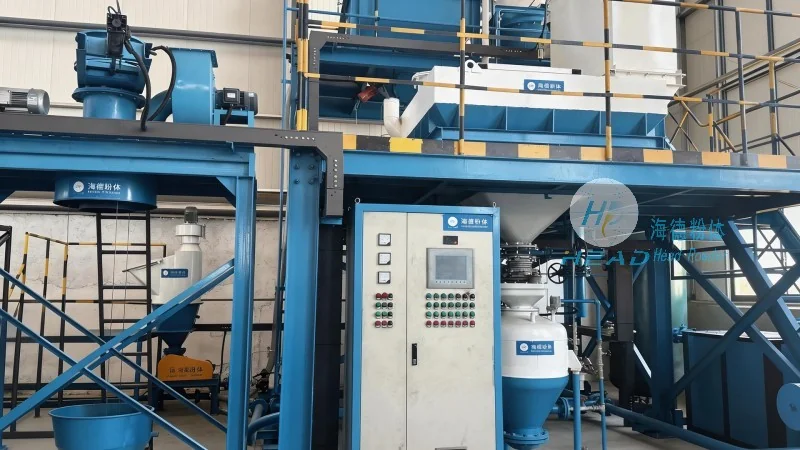
The characteristics of inorganic salt crystal pneumatic conveying make it a preferred choice for industries requiring reliable material transport. One primary advantage is its ability to handle delicate or abrasive materials without causing damage. The air flow minimizes friction and impact, preserving the integrity of the salt crystals. Additionally, this method offers high transport efficiency, with minimal material loss and lower energy consumption compared to traditional methods like bucket elevators or belt conveyors. The system is also flexible in terms of layout, easily adapting to different plant configurations and distances. Another notable feature is its hygienic design, critical in food and pharmaceutical industries where contamination control is paramount. The enclosed pipeline system prevents dust and particles from escaping, maintaining a clean environment. Furthermore, the technology allows for precise control over the conveying rate, enabling better process management and inventory tracking. The lack of moving parts in the conveying line reduces mechanical failure risks and simplifies maintenance, contributing to higher system reliability and longer operational life.
About Shandong HeadPowder Engineering Co., Ltd.
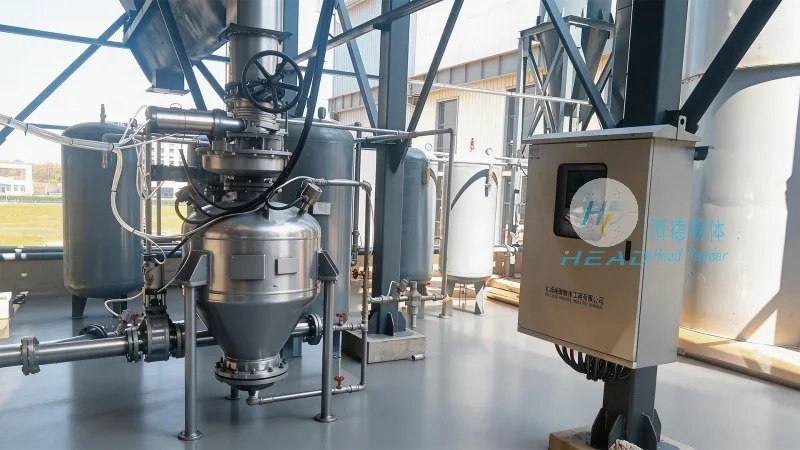
Shandong HeadPowder Engineering Co., Ltd., commonly known as headpowder, is a leading provider of pneumatic conveying solutions specialized in inorganic salt crystal handling. The company focuses on innovation and customer satisfaction, establishing itself as a trusted partner in the bulk material handling industry. Headpowder's expertise lies in designing and manufacturing customized pneumatic conveying systems tailored to clients' specific needs, ensuring optimal performance and efficiency. The company's facilities are located in Shandong, China, where it leverages advanced technology and skilled professionals to deliver high-quality products and services. By combining technical knowledge with practical experience, headpowder assists industries in improving material handling processes, reducing operational costs, and enhancing overall productivity. The company's commitment to quality and reliability has earned it a reputation for excellence in the field of pneumatic conveying, making it a preferred choice for businesses seeking reliable solutions for inorganic salt crystal transport.
Benefits and Applications in Industrial Settings
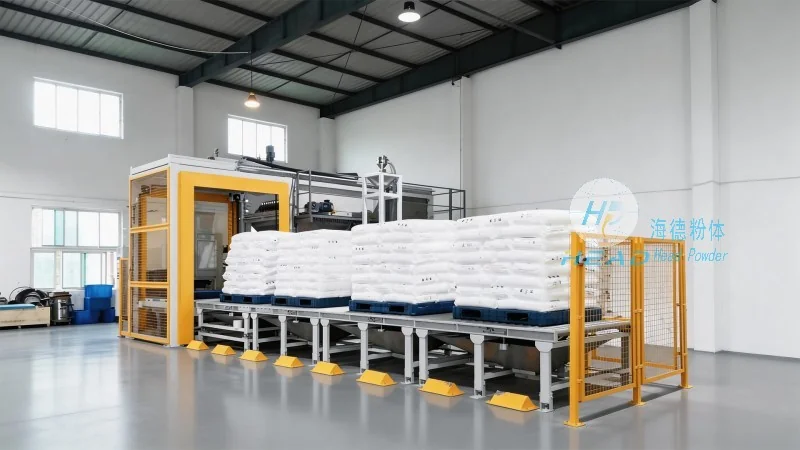
The application of inorganic salt crystal pneumatic conveying delivers significant benefits to industrial operations. In chemical and fertilizer plants, it facilitates efficient transport of raw materials and finished products, streamlining production. The technology is also widely used in food processing facilities, helping maintain hygiene standards while ensuring safe handling of salt products. In pharmaceutical and cosmetic industries, the enclosed system prevents contamination, meeting stringent regulatory requirements. The flexibility of the system allows seamless integration into existing plant layouts, minimizing installation disruption. The energy efficiency of pneumatic conveying reduces long-term operational costs, making it a cost-effective solution. Furthermore, the ability to handle diverse particle sizes and densities makes it suitable for small-scale to large-scale industrial plants. By leveraging these advantages, industries achieve improved productivity, reduced downtime, and enhanced safety in their material handling processes.




