For industrial applications involving the handling of glass fiber powders, efficient and reliable material transport is crucial. Pneumatic conveying systems offer a solution that combines precision, flexibility, and safety. This article explores the working principle and key characteristics of glass fiber powder pneumatic conveying, highlighting how such systems enhance operational efficiency in processing facilities.
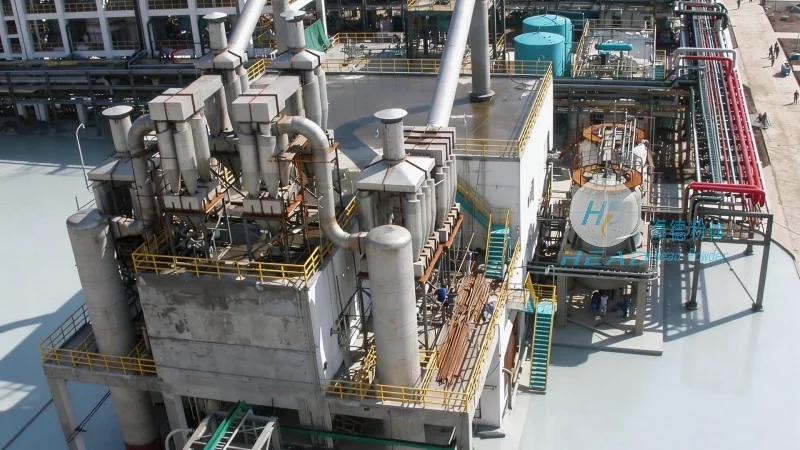
Understanding Pneumatic Conveying Systems for Glass Fiber Powders
Pneumatic conveying, or air-based material transport, is a method that uses pressurized air or vacuum to move bulk materials like glass fiber powders through a pipeline. The process involves several key components that work in tandem to ensure smooth material transfer. The system typically includes a hopper for material storage, a conveying line, a blower or vacuum pump to generate the necessary airflow, and a receiver for the discharged material. By utilizing air as the conveying medium, these systems eliminate the need for mechanical components like belts or buckets, reducing wear and maintenance requirements.
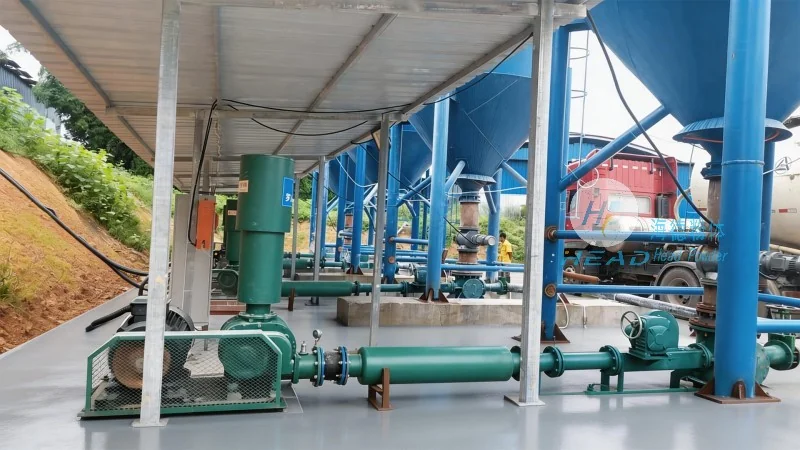
The Working Principle of Glass Fiber Powder Pneumatic Conveying
The core of glass fiber powder pneumatic conveying lies in the interaction between the material and the air stream. The process begins with the material being fed from the hopper into the conveying line. As the air is introduced, it creates a flow that lifts and transports the powder particles through the pipeline. The velocity of the air is critical; it must be sufficient to overcome the gravitational force acting on the particles and maintain a stable suspension. The system can operate in either positive pressure (blowing air into the line) or negative pressure (sucking air out of the line) modes, depending on the application requirements. In positive pressure systems, the blower pushes air and material through the line, while negative pressure systems use a vacuum to draw material from the source. The choice between these modes depends on factors such as the distance to be covered, the material's properties, and the need for containment. The conveying line is designed with appropriate diameters and bends to minimize pressure drop and ensure consistent airflow. The receiver at the end of the line collects the material, often with a filter to prevent dust from escaping into the environment. This closed-loop system ensures that the material is handled safely and efficiently, with minimal exposure to operators.
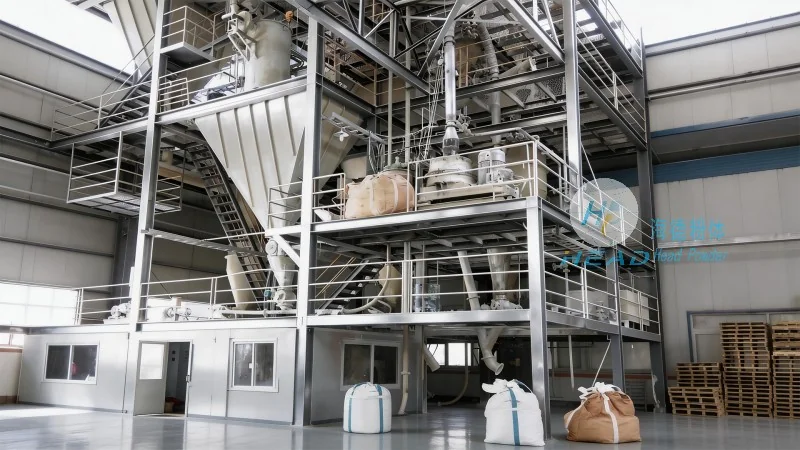
Key Characteristics of Glass Fiber Powder Pneumatic Conveying
Several distinct characteristics make glass fiber powder pneumatic conveying an attractive option for industrial use. First, it offers a high degree of flexibility in terms of layout and integration with existing equipment. The system can be configured to handle materials over varying distances, from short lines within a facility to long-distance transport between buildings. This adaptability is particularly valuable in plants where space constraints or layout changes are common. Second, the process is highly efficient in terms of energy consumption. By using air as the conveying medium, the system minimizes the need for mechanical components that consume significant power, leading to lower operational costs. Additionally, the absence of moving parts reduces maintenance requirements, as there are fewer components prone to wear and tear. This results in increased uptime and reduced downtime for maintenance. Third, the system provides excellent material containment and dust control. The closed pipeline design prevents dust from escaping into the workplace, which is critical for maintaining air quality and protecting both the material and the environment. This is especially important for glass fiber powders, which can be abrasive and pose health risks if inhaled. The system also allows for the integration of filtration and dust collection systems at the receiver, further enhancing environmental compliance. Fourth, glass fiber powder pneumatic conveying systems are capable of handling a wide range of material properties. The system can accommodate different particle sizes, densities, and flow characteristics without significant modifications. This versatility makes it suitable for various applications, from fine powders to coarser granules. The ability to handle different materials also simplifies the process of scaling up or down production, as the system can be adjusted to meet changing demand. Finally, the system offers improved safety compared to other material handling methods. The absence of mechanical components reduces the risk of entanglement or injury, and the closed design minimizes the exposure of operators to the material being handled. This makes the system particularly suitable for environments where worker safety is a top priority.
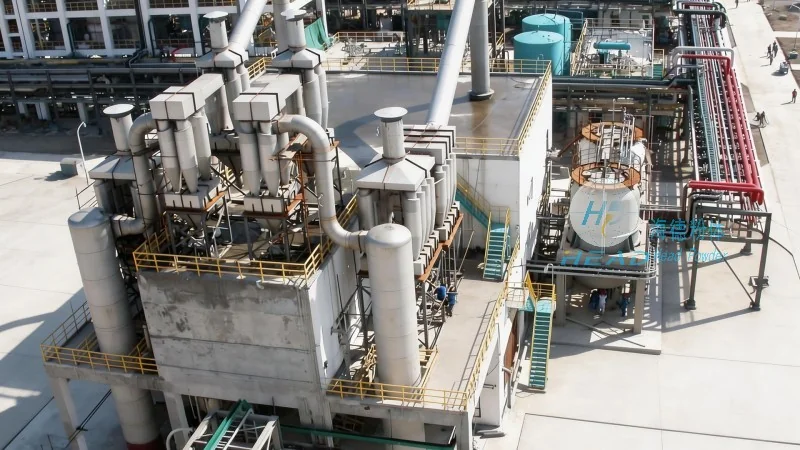
Applications and Benefits in Industrial Settings
Glass fiber powder pneumatic conveying systems are widely used in various industrial sectors, including manufacturing, construction, and chemical processing. In manufacturing facilities, these systems are used to transport glass fiber powders to production lines for composite material manufacturing. The ability to deliver material precisely and efficiently ensures that production processes run smoothly, with minimal interruptions. In construction, the systems are used to transport glass fiber powders to job sites for the production of fiber-reinforced products. The flexibility of the system allows it to be adapted to different site conditions, making it suitable for both large-scale and small-scale projects. In chemical processing, the systems are used to handle glass fiber powders in the production of insulation materials and other composite products. The high efficiency and low maintenance requirements of the system make it an ideal choice for continuous production processes. The benefits of glass fiber powder pneumatic conveying extend beyond just material transport. The system also contributes to improved workplace safety by reducing dust exposure and minimizing the risk of accidents. Additionally, the energy efficiency of the system helps reduce operational costs, making it a cost-effective solution for industrial applications. The versatility of the system allows it to be integrated into existing production lines with minimal disruption, further enhancing its value.




