

Working Principle and Features of Hexanedioic Acid Pneumatic Conveying Equipment
Hexanedioic acid, commonly known as adipic acid, is a fundamental raw material in the production of nylon and other synthetic polymers. The reliable and efficient transportation of this chemical is crucial for maintaining seamless production workflows and ensuring consistent product quality. Pneumatic conveying systems have become the preferred method for handling hexanedioic acid due to their ability to transport powders and granules in a sealed environment, minimizing contamination risks and environmental impact. This article delves into the working principle and key characteristics of hexanedioic acid pneumatic conveying equipment, illustrating how such systems enhance industrial operations and support sustainable manufacturing practices.
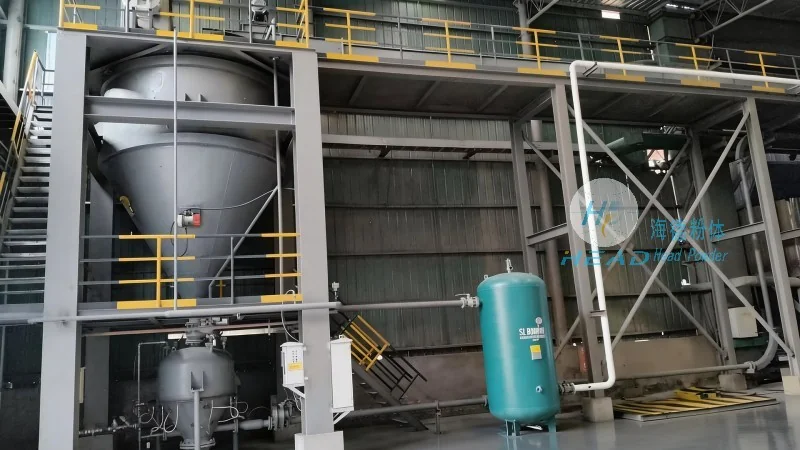
Working Principle of Hexanedioic Acid Pneumatic Conveying Equipment
The operational mechanism of a hexanedioic acid pneumatic conveying system centers on the use of compressed air or gas to move material through a pipeline. The system typically comprises several interconnected components: a material storage hopper, a rotary airlock feeder, a venturi or pressure vessel, and a receiving hopper or processing unit. The process unfolds as follows:
First, hexanedioic acid is stored in a hopper, where it is kept under controlled conditions to prevent agglomeration or moisture absorption. A rotary airlock feeder then regulates the material flow into the conveying line, ensuring a steady and consistent feed rate. Next, the material is introduced into a venturi or pressure vessel where high-velocity air is employed to entrain the particles, forming a slurry-like mixture. This mixture travels through the pipeline to the receiving hopper or processing equipment. Finally, the air is separated from the material in the receiver, often via cyclones or filters, and is recirculated back to the feeder or venturi to maintain system efficiency and reduce energy waste.
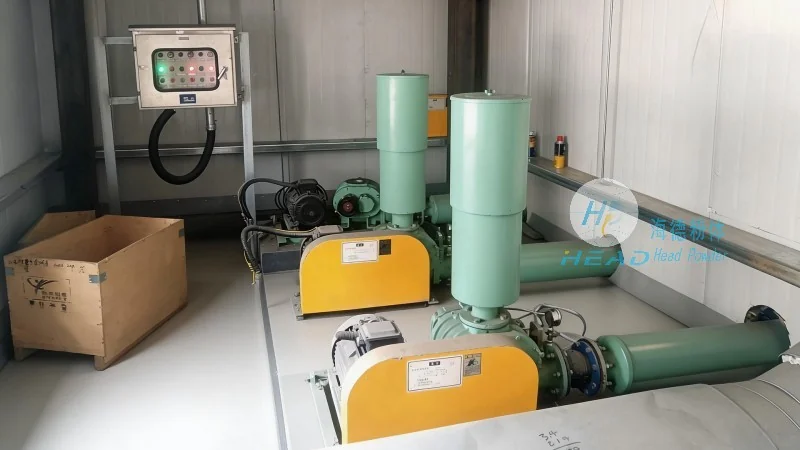
Key Features of Hexanedioic Acid Pneumatic Conveying Systems
Hexanedioic acid pneumatic conveying systems are engineered with several distinctive features that make them ideal for handling this specific chemical. A primary feature is their closed-loop operation, which effectively prevents dust emissions and shields the material from external contaminants. This is particularly critical for hexanedioic acid, as it is a fine powder that poses inhalation and explosion risks if released into the air. Additionally, these systems are highly energy-efficient, utilizing compressed air to move material without mechanical components like belts or buckets, thereby reducing operational costs and maintenance requirements.
Another notable feature is the adaptability of the system to varying material flow rates and particle sizes. The rotary airlock feeder can be adjusted to control the material feed rate, while the venturi or pressure vessel can be sized to accommodate different volumes of air and material. This flexibility allows customization for diverse production needs, from small-scale laboratory applications to large-scale industrial manufacturing.
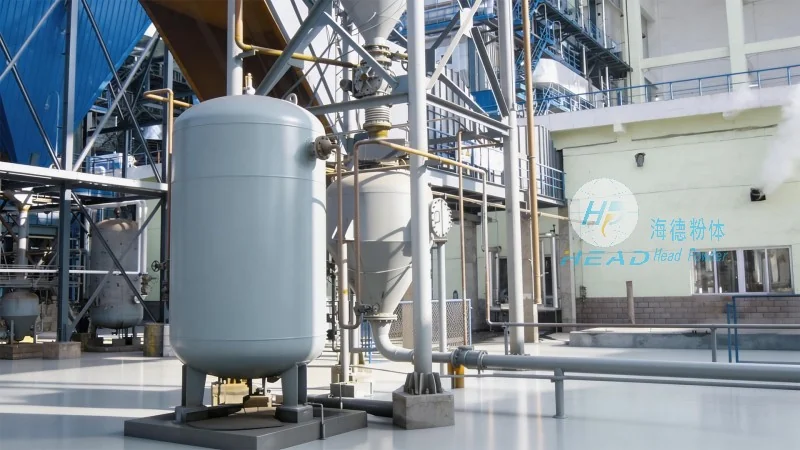
Furthermore, the equipment is constructed from corrosion-resistant materials such as stainless steel or specialized alloys, ensuring durability and resistance to the acidic properties of hexanedioic acid. This design minimizes degradation over time and reduces the need for frequent maintenance, extending the system's operational lifespan.
Application Scenarios and Benefits in Industrial Settings
Hexanedioic acid pneumatic conveying equipment is widely utilized in industrial applications, especially within the chemical and polymer manufacturing sectors. In these contexts, the equipment is employed to transport hexanedioic acid from storage silos to reactors or other processing units, ensuring a continuous supply of raw material. The benefits of implementing such systems in industrial settings include enhanced workplace safety, as the sealed system eliminates dust-related hazards and reduces the risk of explosions. Additionally, the system improves production efficiency by minimizing downtime caused by material handling and maintaining consistent material flow rates.
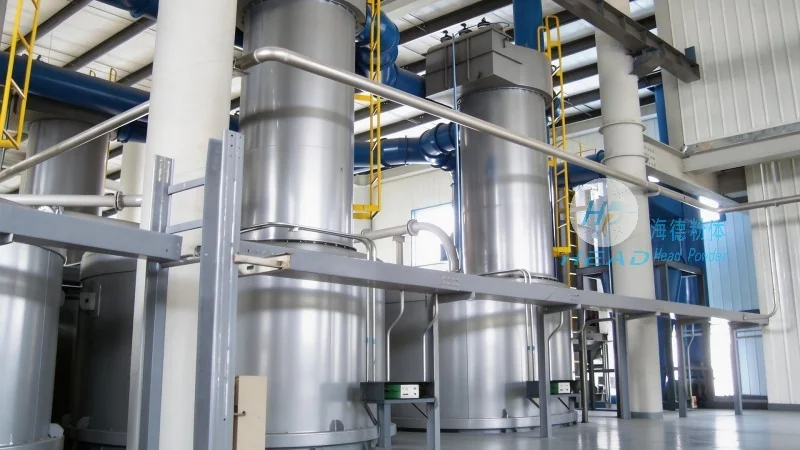
Companies like Shandong HeadPowder Engineering Co., Ltd., a leading provider of pneumatic conveying solutions, have developed specialized equipment tailored to the demands of hexanedioic acid handling. Their systems are designed to meet the stringent safety and environmental regulations of the chemical industry. The company's expertise in material handling and process engineering enables them to create reliable, efficient solutions that enhance overall operational performance and support sustainable industrial practices.
In summary, hexanedioic acid pneumatic conveying equipment is essential for the efficient and safe transportation of this critical chemical. By understanding the working principle and leveraging the key features of such systems, industries can improve production workflows, reduce operational costs, and ensure compliance with safety and environmental standards. The adoption of advanced pneumatic conveying solutions continues to grow, driven by the need for more sustainable and efficient manufacturing processes.