When it comes to the efficient and reliable transportation of flour and grain products, a well-designed pneumatic conveying system is essential. The process of designing such a system requires careful consideration of various factors to ensure optimal performance, minimal maintenance, and cost-effectiveness. This article provides a comprehensive guide on how to design a reasonable flour and grain pneumatic conveying system plan, highlighting key considerations and best practices.
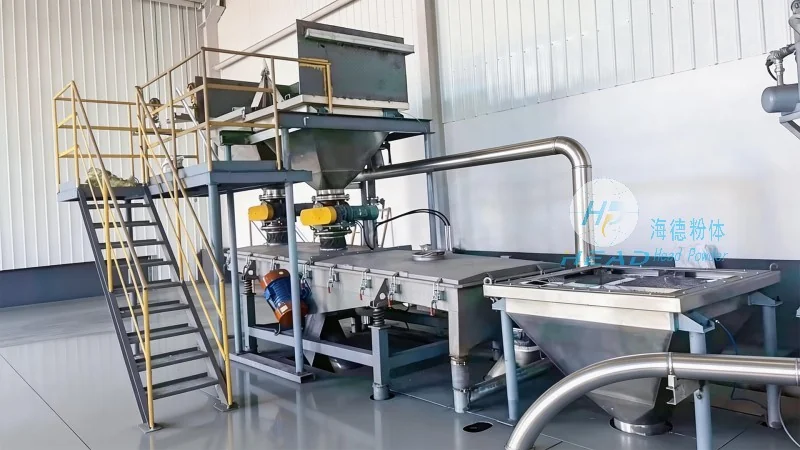
Understanding the Core Requirements for Flour and Grain Conveying
Before diving into the design process, it is crucial to understand the specific requirements of the flour and grain handling operation. This includes evaluating the type and quantity of materials to be conveyed, the distance and elevation changes involved, and the desired throughput rates. For instance, the particle size, moisture content, and flowability of the grain or flour will significantly impact the choice of conveying system and equipment. A thorough analysis of these factors helps in selecting the most suitable pneumatic conveying technology, whether it is a positive pressure, negative pressure, or a hybrid system.
Choosing the Right Pneumatic Conveying System Type
There are primarily two types of pneumatic conveying systems used in the flour and grain industry: positive pressure and negative pressure systems. Positive pressure systems use a blower or compressor to push air and material through the pipeline, making them ideal for long-distance and high-capacity applications. Negative pressure systems, on the other hand, use a vacuum to draw material into the system, which is suitable for shorter distances and when the material needs to be collected from multiple points. The selection between these systems depends on factors such as the material characteristics, system layout, and operational constraints. For example, if the flour or grain needs to be transported over a long distance with high throughput, a positive pressure system might be more appropriate. Conversely, for a system that requires material to be drawn from several sources and transported to a central collection point, a negative pressure system could be more efficient.
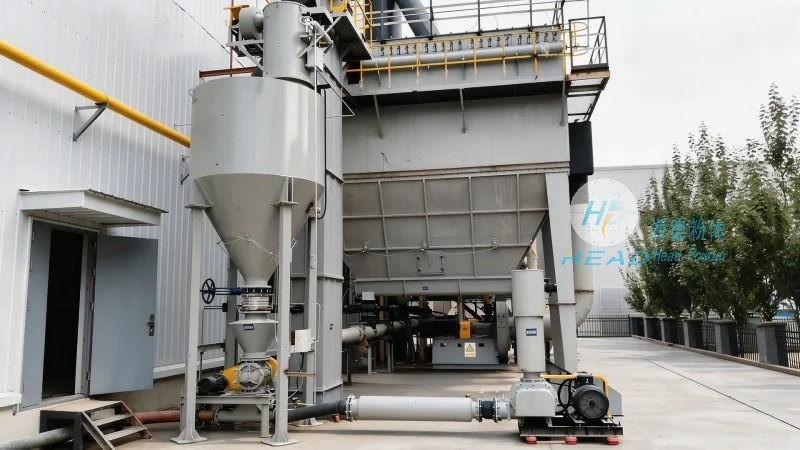
Designing the Conveying Pipeline and Components
The design of the conveying pipeline is a critical aspect of the system. The pipeline diameter, length, and layout must be carefully planned to ensure smooth material flow and minimize pressure drop. The use of appropriate fittings, such as elbows, tees, and bends, is essential to maintain the material's velocity and prevent blockages. Additionally, the selection of pipeline material, such as stainless steel or PVC, depends on the material's properties and the operating environment. For flour and grain, stainless steel is often preferred due to its corrosion resistance and hygiene standards. The pipeline must also be equipped with appropriate valves and controls to regulate the flow and pressure, ensuring safe and efficient operation.
Selecting the Appropriate Conveying Equipment
Key equipment in a pneumatic conveying system includes the blower or vacuum pump, material feeders, and separation or collection devices. The blower or pump must be selected based on the required air volume and pressure, considering the system's total pressure drop. For positive pressure systems, a centrifugal blower is commonly used, while a rotary vane or roots blower might be suitable for negative pressure systems. The material feeder, such as a rotary valve or a screw feeder, must be designed to handle the material's flow characteristics without causing blockages or degradation. The separation or collection equipment, such as cyclones or filters, is crucial for removing dust and separating the conveyed material from the air stream, ensuring compliance with environmental regulations and maintaining product quality.
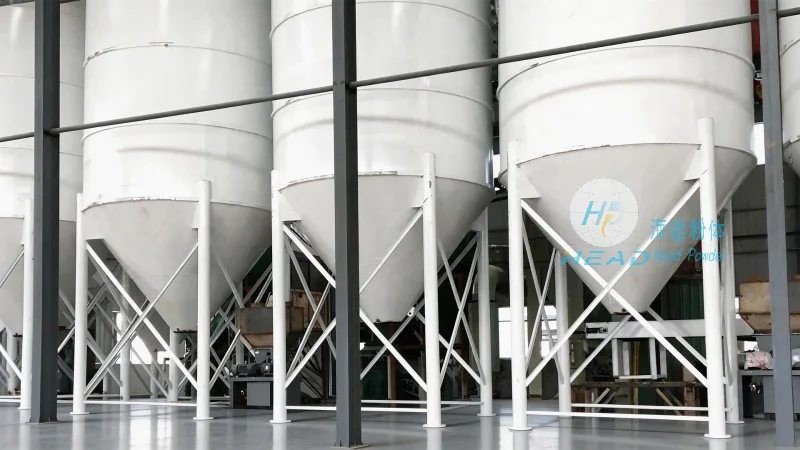
Ensuring System Efficiency and Maintenance
Efficiency is a key factor in the long-term success of a pneumatic conveying system. Regular maintenance and proper operation are essential to prevent system failures and reduce downtime. This includes monitoring air pressure, checking for leaks in the pipeline, and cleaning the separation equipment regularly. Additionally, the system should be designed with redundancy and safety features to handle unexpected situations, such as material blockages or pressure surges. By implementing these measures, the system can operate at optimal efficiency, minimizing energy consumption and maintenance costs.
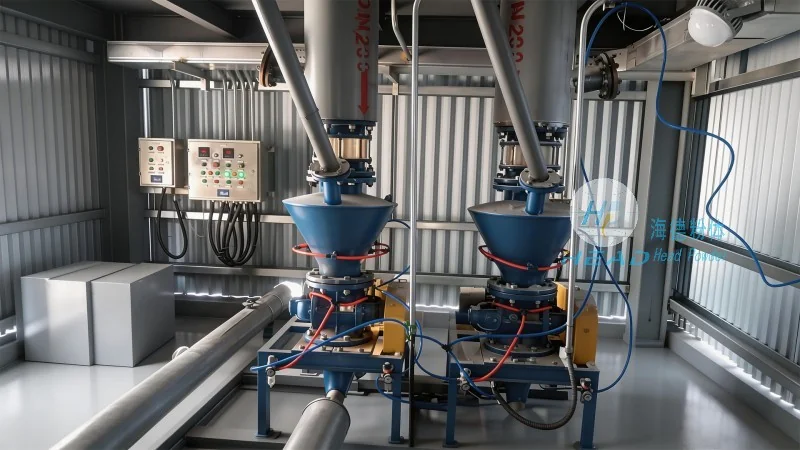
Role of Shandong HeadPowder Engineering Co., Ltd. in System Design
Shandong HeadPowder Engineering Co., Ltd., a leading provider of engineering solutions for the powder and grain industry, specializes in designing and implementing pneumatic conveying systems tailored to the specific needs of flour and grain operations. With years of experience and a team of skilled engineers, HeadPowder offers comprehensive services, from initial system analysis and design to installation and commissioning. The company's expertise in material handling and pneumatic conveying technology ensures that the designed system meets the highest standards of efficiency, reliability, and safety. By partnering with HeadPowder, clients can benefit from customized solutions that address their unique operational challenges, ensuring a smooth and efficient material handling process.
Conclusion
Designing a reasonable flour and grain pneumatic conveying system requires a systematic approach, considering various factors such as material characteristics, system type, pipeline design, and equipment selection. By following best practices and leveraging the expertise of experienced engineering firms like Shandong HeadPowder Engineering Co., Ltd., operators can achieve efficient, reliable, and cost-effective material transportation. The key is to balance the system's performance with its operational and maintenance requirements, ensuring long-term success in the flour and grain industry.




