When planning a pneumatic conveying system for soybean meal, several critical factors must be considered to ensure efficiency, reliability, and cost-effectiveness. The design process involves evaluating the specific characteristics of the material, the required conveying distance, and the desired flow rate. By understanding these elements, engineers can select the appropriate system type and components that will optimize performance and minimize operational issues.
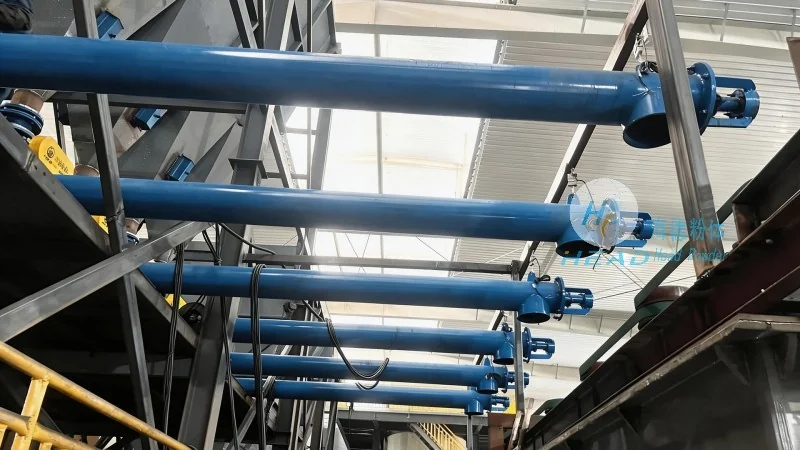
Key Considerations for System Design
First, the physical properties of soybean meal are paramount. This includes particle size distribution, moisture content, and bulk density, as these factors directly impact the air velocity and pressure requirements. For instance, finer particles may require higher air velocities to prevent clogging, while higher moisture content can affect the material's flowability and increase the risk of corrosion in the system. Additionally, the system's operating environment, such as ambient temperature and humidity, must be accounted for to ensure the equipment can withstand the conditions and maintain performance over time.
System Types and Their Applications
There are two primary types of pneumatic conveying systems: positive pressure and negative pressure. Positive pressure systems use a blower to force air through the conveying line, making them suitable for long-distance or high-capacity applications. Negative pressure systems, on the other hand, use a vacuum to draw material into the line, which is ideal for short-distance or low-volume conveying. The choice between these systems depends on the specific requirements of the soybean meal handling process, including the distance between the source and destination, the volume of material to be transported, and the need for dust control.
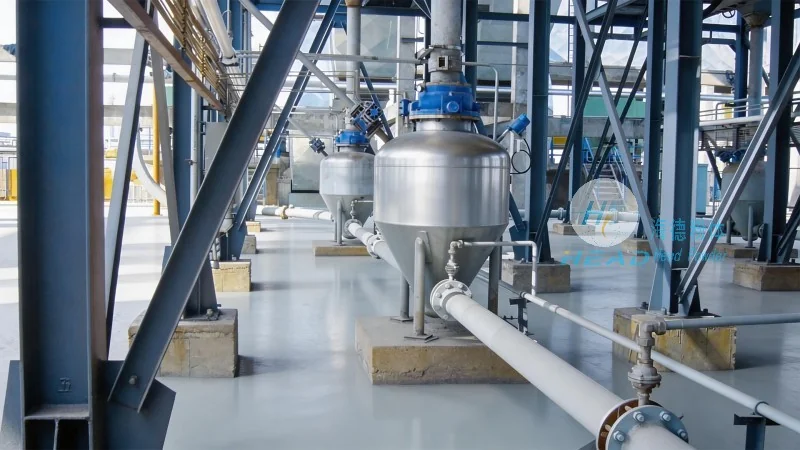
Component Selection and Integration
Key components in a pneumatic conveying system include the air source (blower or vacuum pump), the conveying line (usually made of stainless steel to resist corrosion from soybean meal), and the control system. The air source must be capable of delivering the required air volume and pressure at the specified flow rate. The conveying line diameter and length are critical, as they affect the air velocity and pressure drop. Proper sizing of the line ensures that the material is conveyed efficiently without excessive energy consumption. The control system, which may include sensors for flow monitoring and pressure regulation, helps maintain consistent operation and prevent system failures.
Design Process and Engineering Support
The design of a pneumatic conveying system for soybean meal is a complex task that requires expertise in both material handling and mechanical engineering. Companies like Shandong HeadPowder Engineering Co., Ltd. offer comprehensive engineering services to assist clients in developing customized solutions. Their team of engineers works closely with clients to understand their specific needs, conduct feasibility studies, and provide detailed design plans. By leveraging their experience and advanced design tools, they can optimize the system for maximum efficiency and minimal maintenance.
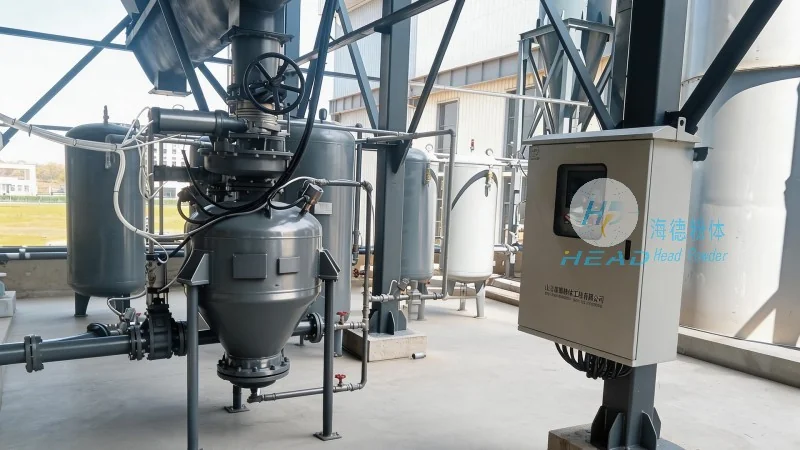
Installation and Maintenance Considerations
Proper installation is crucial for the long-term performance of a pneumatic conveying system. This includes ensuring that all components are properly aligned, the conveying line is free of obstructions, and the air source is correctly connected. Regular maintenance is also essential to prevent issues such as clogging, corrosion, or wear and tear. Routine checks of the blower, line, and control system help identify potential problems early, reducing downtime and extending the system's lifespan. Companies like HeadPowder provide maintenance services and spare parts to support their clients' systems, ensuring reliable operation over time.
Conclusion: Achieving Optimal Performance
Designing a reasonable soybean meal pneumatic conveying system involves a systematic approach that considers material properties, system type, component selection, and operational requirements. By working with experienced engineering firms like Shandong HeadPowder Engineering Co., Ltd., clients can develop a customized solution that meets their specific needs while ensuring efficiency, reliability, and cost-effectiveness. With proper design, installation, and maintenance, these systems can effectively transport soybean meal from source to destination, supporting the operations of food processing and animal feed industries.




