How to Design a Reasonable Fine Light Sand Pneumatic Conveying System Solution?
Release time:2026-09-10 19:42:19
name of the company:Shandong Headpowder Engineering Co., Ltd.
telephone:156-6277-7102
contacts:Zhang manager
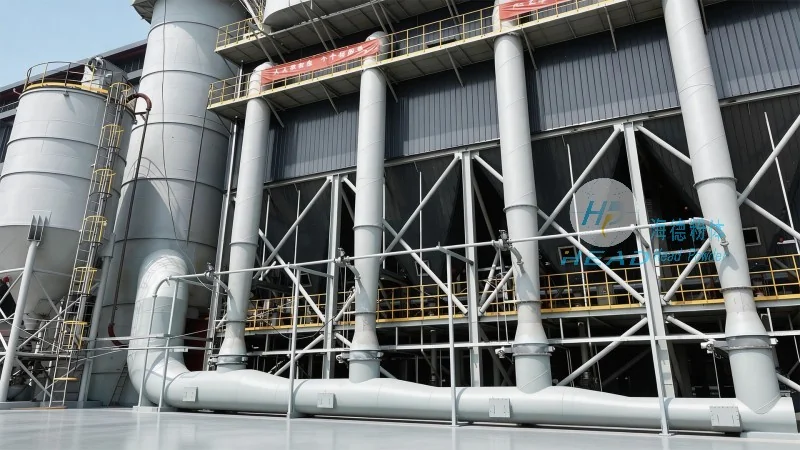
When it comes to handling fine light sand materials, the design of an efficient and reliable pneumatic conveying system is crucial for industrial operations. This article provides a comprehensive guide on how to design a reasonable fine light sand pneumatic conveying system solution, focusing on key considerations and practical steps to ensure optimal performance and longevity of the system.
Understanding the Importance of System Design for Fine Light Sand
Fine light sand, often used in construction, foundry, and other industrial applications, presents unique challenges in material handling due to its low density and fine particle size. Traditional methods like belt conveyors or bucket elevators may not be suitable for such materials, as they can lead to material degradation, increased maintenance costs, and operational inefficiencies. A well-designed pneumatic conveying system offers a solution by transporting the material through a closed pipeline using air pressure, minimizing product contamination and ensuring consistent flow.
Key Factors to Consider in System Design
Before proceeding with the design of a fine light sand pneumatic conveying system, several critical factors must be evaluated to ensure the system meets operational requirements and budget constraints. These factors include:
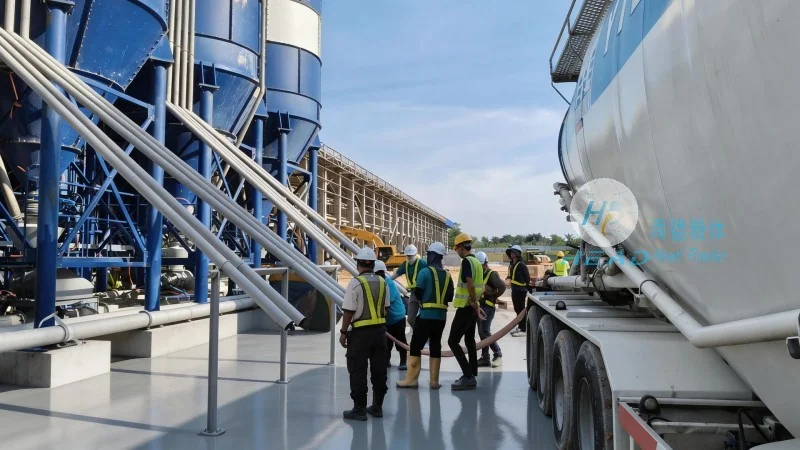
- Material Characteristics: The physical properties of the fine light sand, such as particle size distribution, moisture content, and bulk density, directly impact the system's design. For instance, very fine particles may require higher air velocities to prevent clogging, while higher moisture content might necessitate additional drying steps.
- Transport Distance and Height: The distance and vertical elevation the material needs to be conveyed affect the system's pressure requirements and the type of equipment used. Longer or higher conveyance distances may require booster pumps or larger diameter pipelines to maintain sufficient air pressure.
- Throughput Requirements: The desired production capacity or material flow rate dictates the system's capacity. Higher throughput demands more powerful blowers and larger pipeline diameters to handle the increased material volume.
- Environmental and Safety Regulations: Compliance with local environmental and safety standards is essential. This includes considerations for dust control, noise reduction, and explosion-proof designs, especially when handling potentially combustible materials.
Step-by-Step Design Process for a Fine Light Sand Pneumatic Conveying System
The design process involves several systematic steps to ensure a robust and efficient system. Here's a typical workflow:
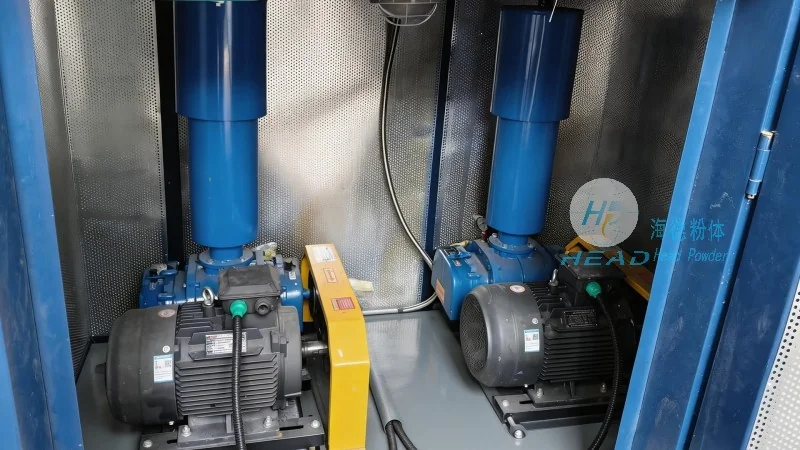
- Define System Requirements: Begin by clearly defining the material to be conveyed, the required throughput, and the distance and elevation of the transport. This step involves gathering data from the client and conducting site surveys to understand the operational environment.
- Material Flow Analysis: Perform a thorough analysis of the material's flow properties, including its bulk density, angle of repose, and air permeability. This analysis helps in determining the appropriate air velocity and pipeline diameter to prevent blockages and ensure smooth material transport.
- Select Conveying Method: Based on the material characteristics and system requirements, choose the most suitable conveying method. For fine light sand, positive pressure systems are commonly used due to their ability to handle low-density materials and provide consistent flow. Negative pressure systems may be considered for applications where dust containment is a priority.
- Design Pipeline Layout: Create a detailed layout of the pipeline system, including the number of bends, elbows, and straight sections. The layout should minimize pressure losses and ensure smooth material flow. Properly sized pipelines and appropriate fittings are crucial to maintain system efficiency.
- Equipment Selection: Select the appropriate equipment based on the system design. This includes high-efficiency blowers or compressors, material feeders, separation and filtration systems, and control valves. The equipment should be matched to the system's pressure and flow requirements to ensure optimal performance.
- Filtration and Dust Control: Implement effective filtration and dust control measures to comply with environmental regulations and maintain a clean working environment. This may include cyclone separators, bag filters, or electrostatic precipitators, depending on the material's properties and emission standards.
- System Testing and Commissioning: After installation, conduct comprehensive testing to verify the system's performance. This includes pressure testing, flow rate verification, and material handling tests to ensure the system meets all design specifications and operational requirements.
Components of a Typical Fine Light Sand Pneumatic Conveying System
A complete fine light sand pneumatic conveying system typically consists of several key components, each playing a vital role in the overall operation. These components include:
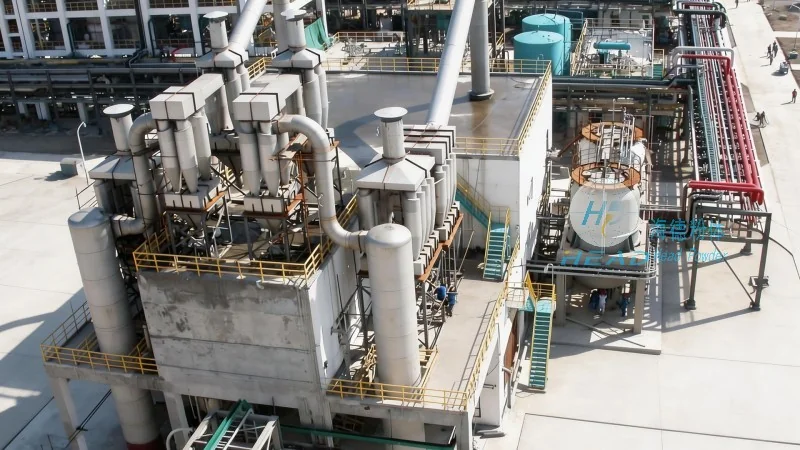
- Blower or Compressor: The primary source of air pressure, providing the necessary force to transport the material through the pipeline. High-efficiency, low-noise blowers are preferred for industrial applications.
- Material Feeder: A device that feeds the fine light sand into the pipeline at a controlled rate, ensuring consistent material flow and preventing overloading or underloading of the system.
- Pipeline System: The network of pipes that transports the material from the feed point to the discharge point. The pipeline is typically made of stainless steel or other corrosion-resistant materials to handle the abrasive nature of fine light sand.
- Booster Pumps (if needed): Used to increase air pressure in longer or higher conveyance systems, ensuring sufficient force to move the material over greater distances or vertical heights.
- Cyclone Separator: A device that separates the material from the air stream at the discharge point, allowing the material to be collected in a hopper or storage bin while the air is filtered and recirculated.
- Filtration System: Comprises filters and collection devices that remove dust and fine particles from the air, ensuring compliance with environmental regulations and maintaining a clean environment.
- Control System: An automated system that monitors and controls the operation of the conveying system, including pressure, flow rate, and material levels. This helps in optimizing performance and preventing system failures.
Benefits of a Well-Designed Fine Light Sand Pneumatic Conveying System
Implementing a well-designed pneumatic conveying system for fine light sand offers numerous benefits to industrial operations. These include:
- Improved Material Handling Efficiency: The system ensures consistent and reliable material transport, reducing downtime and increasing production throughput.
- Reduced Maintenance Costs: A properly designed system minimizes wear and tear on components, leading to lower maintenance and replacement costs over the system's lifespan.
- Enhanced Product Quality: By preventing material degradation and contamination, the system maintains the quality of the fine light sand, which is critical for applications like foundry sand or construction aggregates.
- Environmental Compliance: Effective filtration and dust control measures ensure the system meets environmental regulations, minimizing the impact on the surrounding environment.
- Space Efficiency: Pneumatic conveying systems can be installed in compact spaces, making them suitable for facilities with limited floor area.
Conclusion
Designing a reasonable fine light sand pneumatic conveying system requires a systematic approach, considering material characteristics, operational requirements, and environmental regulations. By following the steps outlined in this article and leveraging the expertise of experienced engineering firms like Shandong HeadPowder Engineering Co., Ltd., industrial operations can achieve efficient, reliable, and cost-effective material handling solutions. The key to success lies in thorough planning, proper equipment selection, and rigorous testing to ensure the system meets all performance and safety standards.




