Shandong HeadPowder Engineering Co., Ltd., commonly known as headpowder, specializes in the design and implementation of advanced material handling solutions, including pneumatic conveying systems for lithium cobalt oxide. With a focus on precision and efficiency, the company has established itself as a trusted partner in the chemical and battery materials industry. HeadPowder's expertise lies in creating customized systems that meet the unique demands of clients, ensuring reliable and safe material transport for critical applications.
The Importance of System Design
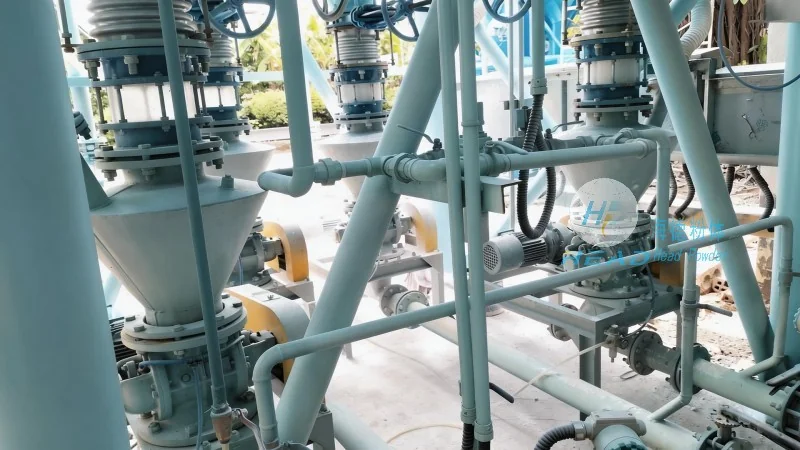
The design of a pneumatic conveying system for lithium cobalt oxide is a critical process that requires careful consideration of material properties, operational requirements, and safety standards. A well-designed system not only enhances productivity but also minimizes risks associated with material handling, such as dust explosions or equipment damage. Proper planning ensures that the system operates efficiently, reduces maintenance costs, and adheres to regulatory compliance, making it essential for businesses dealing with sensitive materials like lithium cobalt oxide.
Characteristics of Lithium Cobalt Oxide
Lithium cobalt oxide (LiCoO₂) is a key component in lithium-ion batteries, known for its high energy density and stability. However, its handling requires specialized equipment due to its fine particle size and reactivity. The material's properties, such as its tendency to generate static electricity and its sensitivity to moisture, necessitate a pneumatic conveying system that is designed to minimize particle degradation and ensure safe transport. Understanding these characteristics is fundamental to designing a system that can handle LiCoO₂ without compromising its quality or safety.
Design Steps for the Pneumatic Conveying System
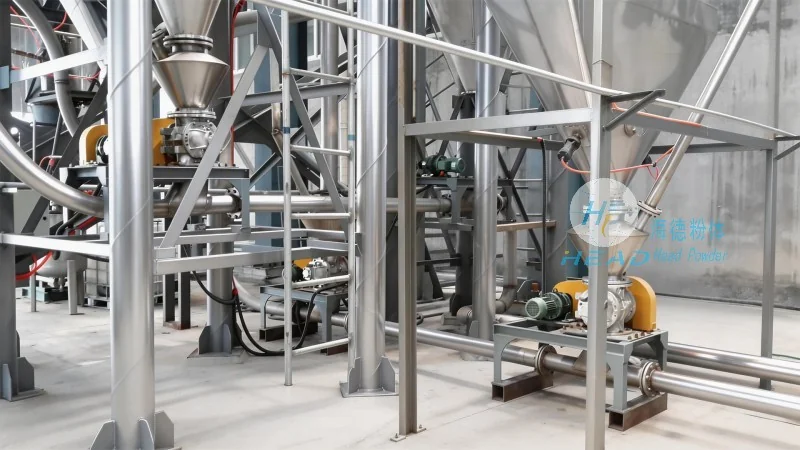
The design process for a lithium cobalt oxide pneumatic conveying system typically involves several key steps. First, the material's physical and chemical properties are analyzed to determine the appropriate conveying method and equipment. Next, the system's capacity and flow rate are calculated based on production requirements and process constraints. The system layout is then planned, considering factors like the distance between the source and destination, the number of transfer points, and the need for dust collection and filtration. Finally, the system is sized and configured to ensure optimal performance, with considerations for pressure drop, air flow, and energy efficiency. Each step is critical to achieving a system that meets the specific needs of the client while maintaining safety and reliability.
Key Components of the System
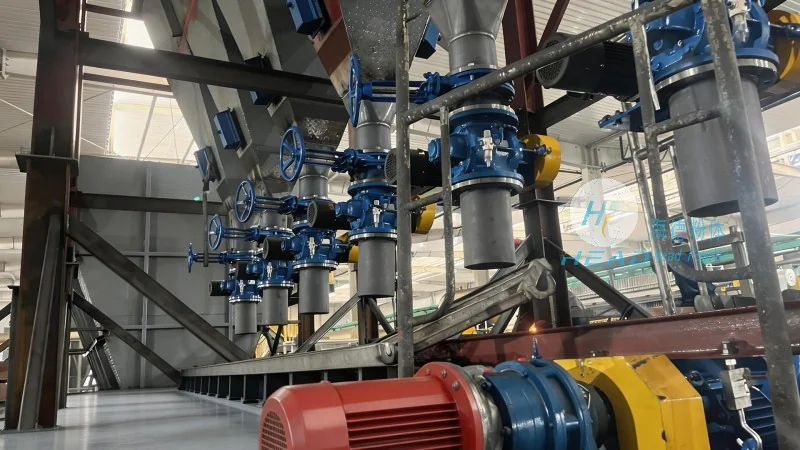
A typical lithium cobalt oxide pneumatic conveying system consists of several key components, each playing a vital role in the material transport process. The primary components include a material feeder, which accurately meters the LiCoO₂ into the system, a conveying line (often equipped with cyclones or filters to separate material from air), a dust collection system to capture any airborne particles, and a control system to regulate the flow and pressure. The material feeder is designed to handle fine particles without clogging, ensuring consistent feed rates. The conveying line may use positive or negative pressure depending on the application, with positive pressure systems being more common for transporting LiCoO₂ due to its sensitivity to moisture and static. The dust collection system is crucial for maintaining air quality and preventing environmental contamination, as LiCoO₂ is a fine powder that can be hazardous if released into the atmosphere. The control system allows for real-time monitoring and adjustment of the system's parameters, ensuring optimal performance and safety.
Implementation and Optimization
After the design phase, the pneumatic conveying system is implemented and tested to ensure it meets all specifications and operational requirements. During the implementation process, the system is installed and commissioned, with thorough testing to verify its performance. This includes checking for proper material flow, pressure stability, and dust collection efficiency. Once the system is operational, ongoing monitoring and maintenance are essential to ensure long-term reliability. Regular inspections, cleaning, and component replacement are necessary to maintain the system's performance and prevent issues such as clogging or equipment failure. Additionally, the system can be optimized over time based on operational data and feedback from the client. This may involve adjusting the air flow rate, modifying the system layout, or upgrading components to improve efficiency and reduce costs. By continuously monitoring and optimizing the system, businesses can maximize its lifespan and ensure it continues to meet their material handling needs effectively.




