Resin powder conveyors are essential equipment in industrial settings, particularly for the efficient handling and transportation of resin powders. Understanding their working principle and key features is crucial for selecting the right equipment for specific applications. This article provides a detailed overview of how resin powder conveyors operate and the characteristics that make them effective in various industrial processes.
Working Principle of Resin Powder Conveyors
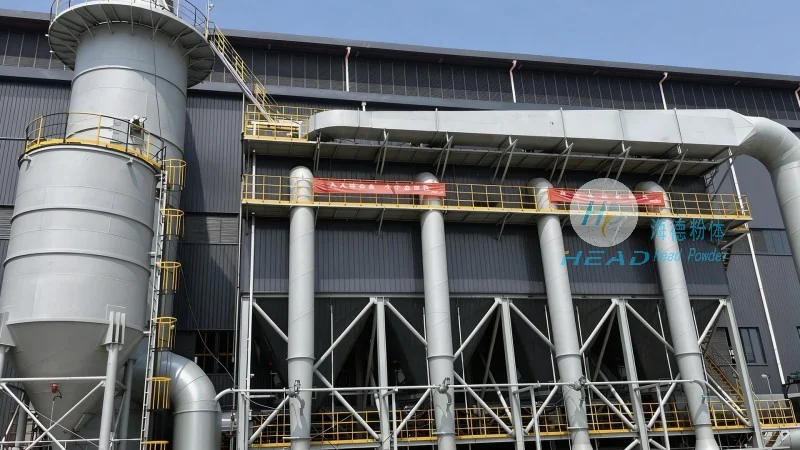
The working principle of resin powder conveyors is centered around the use of air pressure or vacuum to move resin powders through a pipeline system. These systems typically consist of a hopper, a conveyor tube, and a motorized fan or blower. The hopper is where the resin powder is stored, and it feeds the powder into the conveyor tube. The motorized fan creates a pressure differential, either by blowing air into the tube (positive pressure) or by creating a vacuum (negative pressure) to draw the powder along the tube. This method of conveying is known as pneumatic conveying, which is widely used for its ability to transport powders over long distances and through complex layouts without the need for mechanical parts that come into direct contact with the material.
There are two main types of pneumatic conveying systems used in resin powder conveyors: dilute phase and dense phase. Dilute phase systems operate at higher air velocities, typically moving the powder in a dispersed state, similar to a cloud of particles suspended in air. This method is suitable for short to medium distances and for powders that are non-abrasive and free-flowing. Dense phase systems, on the other hand, operate at lower air velocities, causing the powder to move in a slurry-like state, where the particles are more closely packed together. This method is ideal for longer distances and for handling abrasive or sensitive powders, as it reduces particle degradation and wear on the system components.
Key Features of Resin Powder Conveyors
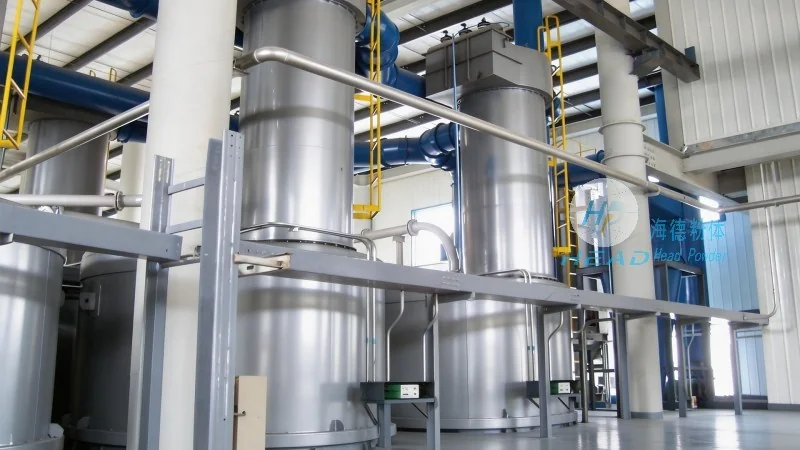
Resin powder conveyors are designed with several key features that enhance their performance and adaptability in industrial environments. One of the primary features is the ability to handle a wide range of resin powder types, including different grades of polymeric powders used in manufacturing processes. The equipment is constructed from materials that are resistant to corrosion and wear, ensuring durability and long-term operation. For example, components such as the hopper and conveyor tube are often made from stainless steel or other corrosion-resistant alloys, which are suitable for handling various resin types and preventing contamination.
Another important feature is the system's flexibility in terms of layout and integration. Resin powder conveyors can be configured to handle materials over varying distances and through complex piping networks, making them suitable for plants with diverse production lines. The systems are also equipped with control mechanisms that allow for precise regulation of air flow and pressure, ensuring consistent and reliable powder transport. This control capability is crucial for maintaining product quality and preventing material loss or clogging in the conveyor system.
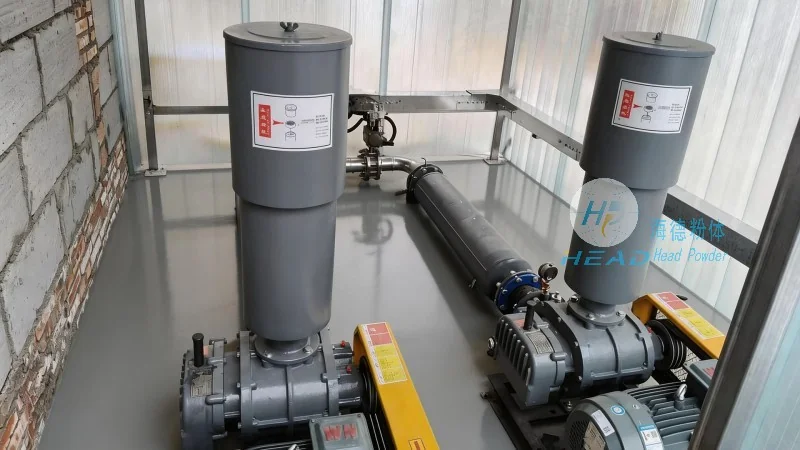
Additionally, resin powder conveyors are designed with safety features to protect both the equipment and the operators. These may include interlocks to prevent operation when the hopper is empty or when the system is under pressure, as well as alarms for abnormal conditions such as overpressure or blockages. The equipment is also designed to minimize dust emissions, which is important for maintaining a safe and clean working environment in industrial settings. By incorporating these safety features, resin powder conveyors provide a reliable and secure method for handling resin powders.
Applications and Benefits in Industrial Settings
Resin powder conveyors are widely used in various industries, including the plastics manufacturing sector, where they are essential for transporting resin powders from storage to processing equipment. The benefits of using resin powder conveyors include improved efficiency in material handling, reduced labor costs associated with manual handling, and enhanced safety by minimizing direct contact with powders. The ability to transport powders over long distances without the need for multiple transfer points also streamlines production processes and reduces the risk of material contamination.
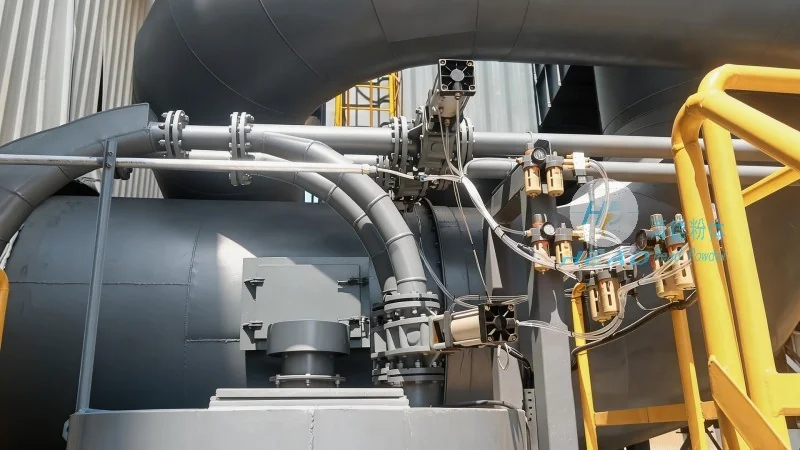
In the context of Shandong HeadPowder Engineering Co., Ltd., a leading manufacturer of resin powder handling equipment, their conveyors are engineered to meet the specific needs of different industrial applications. The company's expertise in designing and manufacturing high-quality resin powder conveyors ensures that their products are reliable, efficient, and tailored to the requirements of their clients. With a focus on durability and performance, their conveyors contribute to the smooth operation of production lines and the overall productivity of industrial facilities.
Overall, resin powder conveyors are a critical component in modern industrial operations, offering an efficient and safe method for transporting resin powders. By understanding their working principle and key features, industries can select the appropriate equipment to enhance their production processes and ensure consistent quality in their products. The combination of advanced engineering and robust design makes resin powder conveyors a valuable investment for any facility dealing with resin powders.




