When it comes to the design of a gypsum fly ash powder pneumatic conveying system, several key factors must be considered to ensure efficiency, reliability, and cost-effectiveness. This article provides a comprehensive overview of the essential steps and considerations for developing a well-designed system, with a focus on practical applications and industry standards.
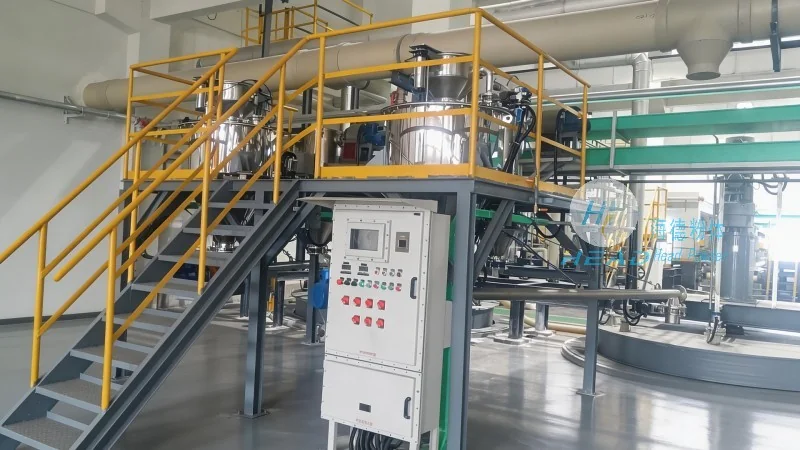
Understanding the Core Components of a Pneumatic Conveying System
A pneumatic conveying system for gypsum and fly ash powders typically consists of several critical components. These include the material feed hopper, which holds the bulk material and regulates its flow; the air supply system, which generates the necessary pressure or vacuum to move the material; the conveying line, which transports the material from the source to the destination; and the receiving hopper or silo, where the material is deposited. Each component plays a vital role in the overall performance of the system, and proper selection and integration are crucial for optimal operation.
Key Design Considerations for Material Handling
Designing a system for gypsum and fly ash powders requires careful consideration of the material's physical properties, such as particle size, density, and flowability. Gypsum and fly ash are often fine powders that can be prone to bridging, segregation, or dusting. To mitigate these issues, the feed hopper is typically equipped with aeration plates or vibrators to prevent material buildup and ensure consistent flow. Additionally, the conveying line may incorporate special features like bends or elbows with smooth transitions to minimize pressure drop and prevent particle abrasion on the pipe walls.
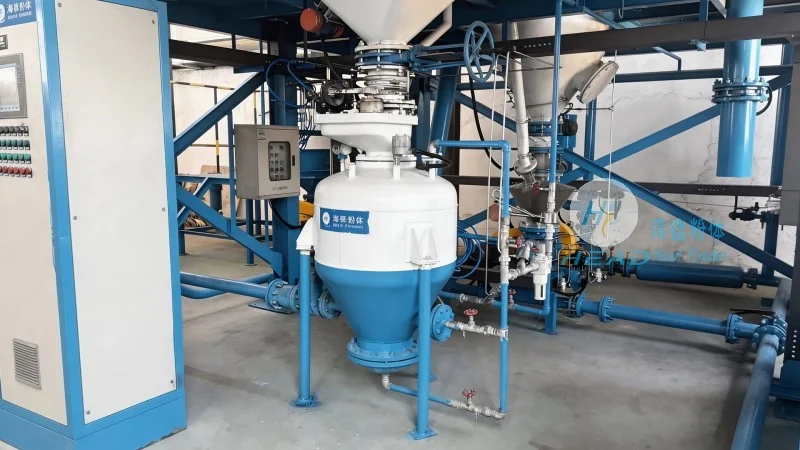
Choosing the Right Conveying Method and Equipment
There are two primary types of pneumatic conveying systems: pressure and vacuum. For gypsum and fly ash, pressure systems are often preferred due to their ability to handle larger particle sizes and longer conveying distances. These systems use positive pressure to push the material through the pipeline, typically employing a positive displacement blower or a rotary lobe pump as the air source. The choice of equipment depends on factors like the required conveying capacity, the distance between the source and destination, and the material's characteristics. For example, a positive displacement blower provides consistent air flow, making it suitable for high-volume applications, while a rotary lobe pump can handle more abrasive materials without excessive wear.
System Sizing and Pressure Drop Calculations
Accurate system sizing is essential to avoid under or over-designing the conveying system. This involves calculating the required air volume and pressure based on the material's flow rate, pipeline length, and diameter. The pressure drop along the conveying line is a critical factor, as it determines the power consumption and the overall efficiency of the system. Engineers use specialized software or empirical formulas to estimate pressure drop, considering factors such as particle size, air velocity, and pipe roughness. Proper sizing ensures that the system operates within its optimal range, minimizing energy costs and maximizing material throughput.
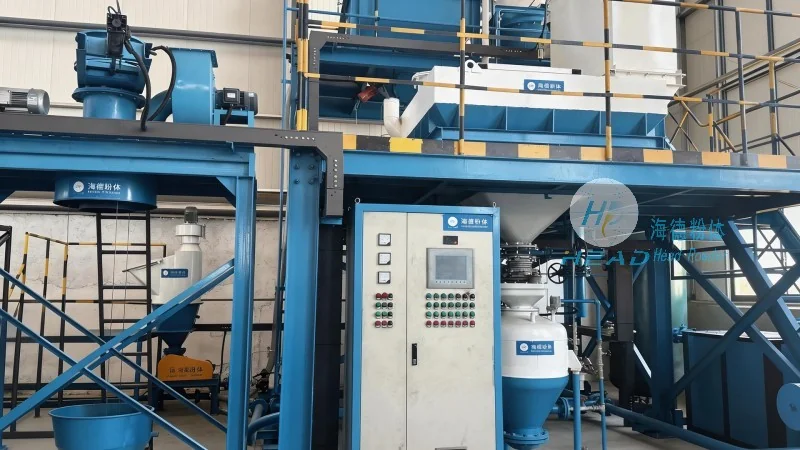
Integration of Control and Safety Features
Modern pneumatic conveying systems incorporate advanced control and safety features to enhance operational safety and efficiency. These may include pressure sensors to monitor system pressure, flow meters to track material movement, and alarm systems to alert operators of any abnormalities. Additionally, safety features like explosion-proof motors, dust collection systems, and emergency shut-off valves are often included to prevent accidents and protect personnel. The integration of these features not only improves safety but also ensures compliance with industry regulations and standards.
About Shandong HeadPowder Engineering Co., Ltd.
Shandong HeadPowder Engineering Co., Ltd., commonly known as HeadPowder, is a leading provider of engineering solutions for powder handling systems. With years of experience in the industry, HeadPowder specializes in designing, manufacturing, and installing pneumatic conveying systems for various industrial applications, including gypsum and fly ash processing. The company's team of experienced engineers and technicians work closely with clients to understand their specific needs and develop customized solutions that meet their operational requirements. HeadPowder's commitment to quality and innovation has made it a trusted partner for businesses seeking reliable and efficient powder handling solutions. The company is headquartered in Shandong, China, and serves clients both domestically and internationally.




