When it comes to managing the transportation of wheat flour, a well-designed pneumatic conveying system is crucial for efficiency, safety, and cost-effectiveness. The process of designing such a system requires a thorough understanding of the material properties, operational requirements, and the specific needs of the facility. This article provides a comprehensive guide to help engineers and facility managers design a reasonable wheat flour pneumatic conveying system plan, ensuring optimal performance and reliability. The information is based on the expertise of Shandong HeadPowder Engineering Co., Ltd., a leading provider of pneumatic conveying solutions with a strong presence in China, located in Shandong Province.
Understanding the Core Components of a Wheat Flour Pneumatic Conveying System
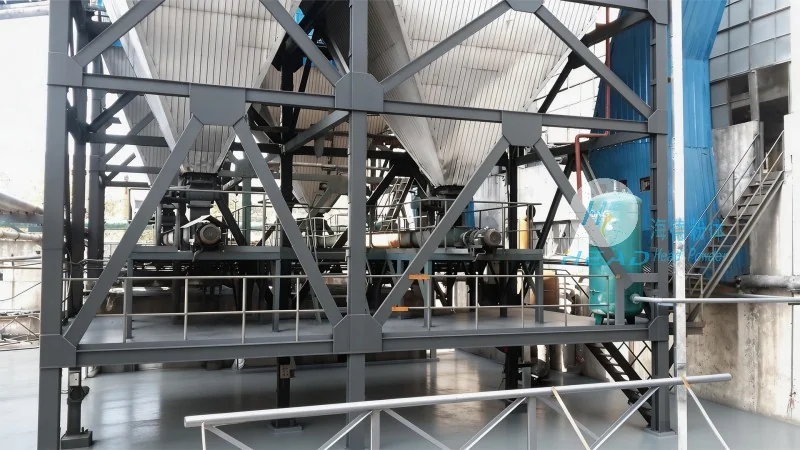
A pneumatic conveying system for wheat flour typically consists of several key components, each playing a vital role in the overall operation. The primary components include the hopper or feed point, the conveyor itself (either positive pressure or negative pressure), the separation and filtration system, and the discharge or collection point. Each component must be carefully selected and integrated to ensure the system operates smoothly and efficiently.
Key Design Considerations for Wheat Flour Pneumatic Conveying
Designing a pneumatic conveying system for wheat flour involves several critical considerations. First, the material characteristics of wheat flour must be taken into account. Wheat flour is a fine powder with specific flow properties, including its bulk density, angle of repose, and moisture content. These properties affect the system's capacity, pressure requirements, and the type of conveying method to be used. For example, fine powders like wheat flour are often better suited to positive pressure systems due to their tendency to create dust and require higher air velocities to maintain flow.
Second, the system's capacity and flow rate are essential factors. The design must accommodate the required throughput, which depends on the production scale and operational needs of the facility. This involves calculating the necessary air volume and pressure to move the flour through the pipeline at the desired speed. Proper sizing of the conveyor, including the diameter of the pipes and the power of the air compressor, is critical to avoid bottlenecks or excessive energy consumption.
Choosing the Right Pneumatic Conveying Method for Wheat Flour
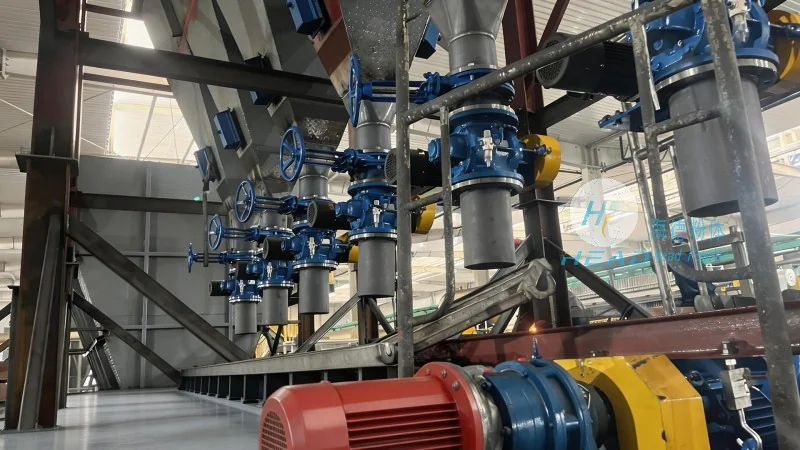
There are two main types of pneumatic conveying systems: positive pressure and negative pressure. For wheat flour, positive pressure systems are often preferred due to their ability to handle fine powders and prevent dust accumulation. In a positive pressure system, air is blown into the conveyor, pushing the flour through the pipes. This method is effective for long-distance or high-capacity applications and can be more energy-efficient for certain material properties. Negative pressure systems, on the other hand, use suction to draw the flour into the system, which is suitable for shorter distances or when the material is less dusty. The choice between these methods depends on the specific characteristics of the wheat flour and the layout of the facility.
System Layout and Pipe Design for Optimal Performance
The layout of the pneumatic conveying system is another critical design aspect. The arrangement of the hopper, conveyor lines, and collection points must be planned to minimize pressure losses and ensure smooth material flow. Proper pipe sizing, with gradual transitions and minimal bends, is essential to maintain the air velocity required for conveying. Bends and elbows should be designed with appropriate radii to avoid turbulence and reduce the risk of material deposition or blockages. Additionally, the system should include features such as airlocks and filters to prevent dust from escaping and to maintain air quality.
Equipment Selection and Installation Considerations
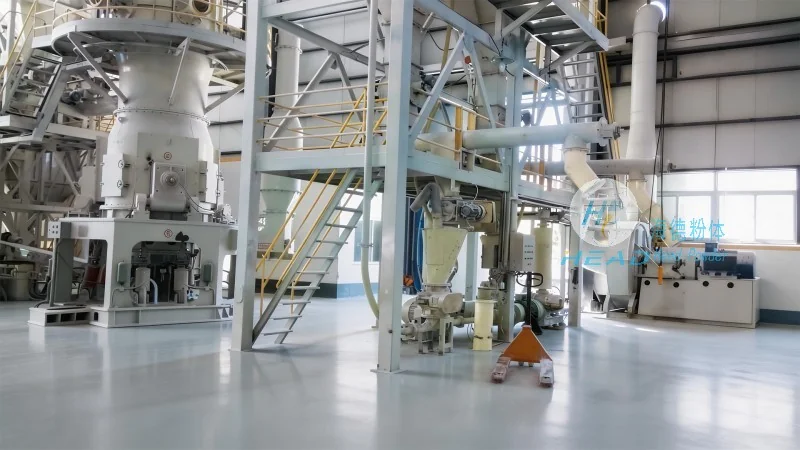
Equipment selection is a key part of the design process. The air compressor must be chosen based on the required pressure and volume, ensuring it can handle the system's demands without excessive energy consumption. The hopper and feeders should be designed to prevent material bridging and ensure a consistent flow of flour into the system. The separation and filtration system is also critical, as it helps to remove any fine particles or dust from the air, protecting the equipment and maintaining air quality. Proper installation, including secure connections and proper grounding, is essential to ensure the system operates safely and reliably.
Addressing Common Challenges in Wheat Flour Pneumatic Conveying
Designing a pneumatic conveying system for wheat flour can present several challenges. One common issue is the tendency of fine powders to create dust and cause blockages in the system. To address this, the system should include dust collection and filtration systems, as well as regular maintenance to prevent clogs. Another challenge is the need to maintain consistent flow rates, especially when dealing with varying moisture content or particle sizes. This may require the use of variable speed drives or other control mechanisms to adjust the system's performance as needed.
Conclusion: Designing a Reliable Wheat Flour Pneumatic Conveying System
Designing a reasonable wheat flour pneumatic conveying system plan requires a comprehensive approach that considers the material properties, operational requirements, and specific needs of the facility. By carefully selecting the right components, planning the system layout, and addressing common challenges, engineers can create a system that is efficient, reliable, and cost-effective. The key is to balance the needs of the material with the capabilities of the equipment and the operational constraints of the facility. With proper design and maintenance, a pneumatic conveying system can significantly improve the efficiency of wheat flour handling and transportation, ensuring smooth operations and high-quality output.




