Working Principle and Features of Carboxymethyl Cellulose Powder Conveying System Equipment
Release time:2026-09-17 16:01:21
name of the company:Shandong Headpowder Engineering Co., Ltd.
telephone:156-6277-7102
contacts:Zhang manager
Carboxymethyl cellulose (CMC) is a widely used chemical additive in various industries, including food, pharmaceuticals, and construction. The efficient handling and transportation of CMC powder are critical for maintaining product quality and operational efficiency. The Carboxymethyl Cellulose Powder Conveying System, developed by Shandong HeadPowder Engineering Co., Ltd., addresses these challenges through advanced engineering solutions. This system is designed to ensure reliable and consistent powder flow, minimizing issues such as clogging, segregation, and material loss.
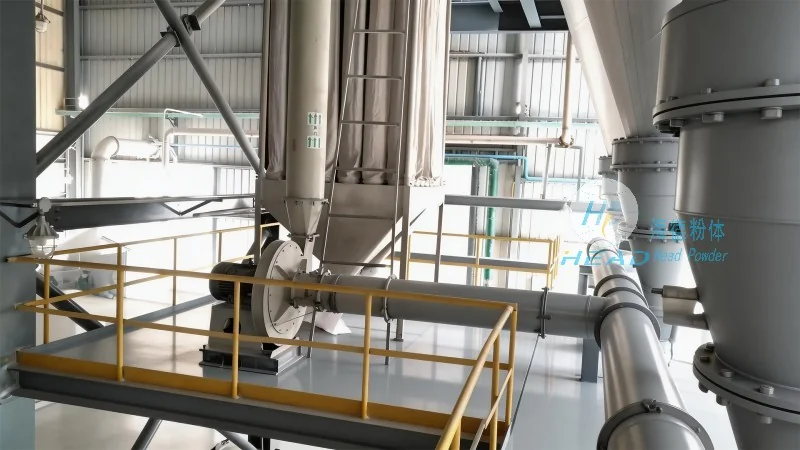
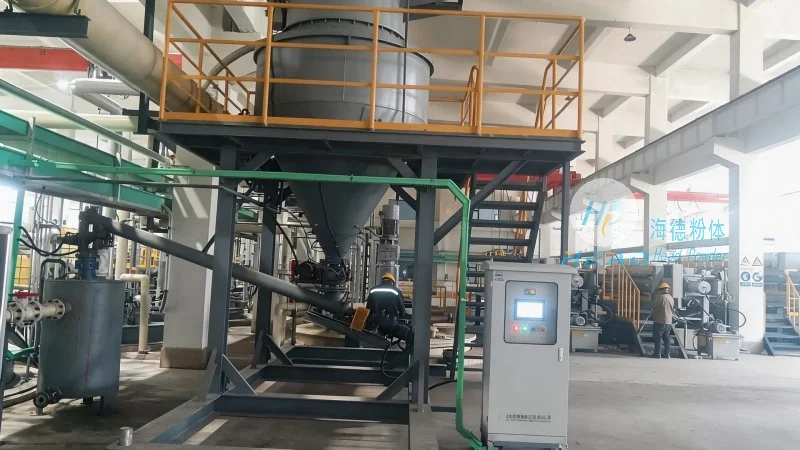
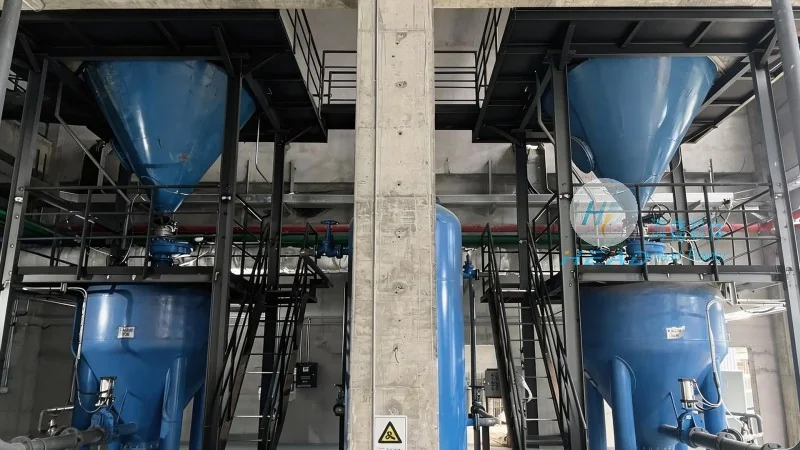
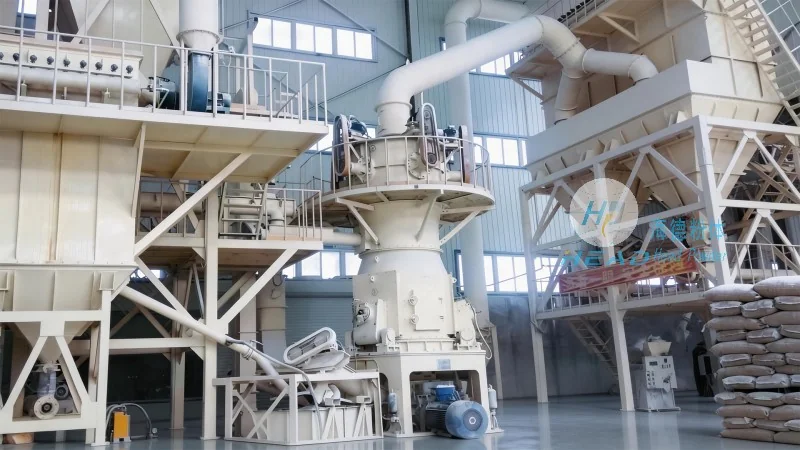
Working Principle of the Carboxymethyl Cellulose Powder Conveying System
The core of the Carboxymethyl Cellulose Powder Conveying System lies in its integrated design, which combines multiple components to achieve seamless powder transfer. The system typically includes a hopper for material storage, a feeder to control the flow rate, and a conveyor mechanism (such as a screw or pneumatic system) to transport the powder. The hopper is equipped with a level sensor to monitor the material inventory, ensuring that the feeder operates at optimal levels. The feeder, often a rotary valve or a loss-in-weight feeder, regulates the discharge rate based on process requirements. The conveyor system then transports the CMC powder to the desired destination, such as a mixing tank or packaging unit. This integrated approach ensures that the system operates smoothly, with minimal downtime and consistent performance.
Key Features and Advantages of the Carboxymethyl Cellulose Powder Conveying System
Shandong HeadPowder Engineering Co., Ltd. has incorporated several key features into the Carboxymethyl Cellulose Powder Conveying System to enhance its functionality and reliability. One of the primary advantages is the system's ability to handle fine powders like CMC without clogging or segregation. The design includes anti-static measures to prevent powder buildup on surfaces, which is crucial for maintaining material integrity. Additionally, the system is equipped with a dust collection and filtration system to ensure a clean and safe working environment. The modular construction allows for easy maintenance and customization, adapting to different production scales and requirements. The control system, often integrated with a PLC (Programmable Logic Controller), provides real-time monitoring and adjustment of flow rates, pressure, and other parameters. This ensures that the system operates within optimal conditions, reducing energy consumption and extending equipment lifespan. The system also features a low-friction design to minimize wear and tear, resulting in lower maintenance costs over time.




