Designing an efficient and reliable cement fly ash pneumatic conveying system is crucial for industrial operations that handle bulk materials. This process involves transporting cement and fly ash from storage to processing or production areas using air as the conveying medium. A well-designed system not only enhances operational efficiency but also ensures safety and environmental compliance. For businesses in the cement and power sectors, selecting the right system design is a critical decision that impacts productivity, cost, and sustainability.
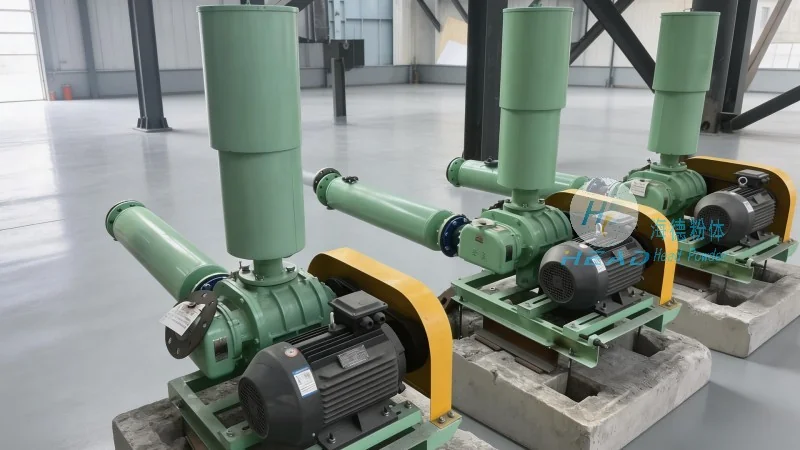
Introduction to Pneumatic Conveying Systems for Cement and Fly Ash
Pneumatic conveying systems use air pressure to move dry bulk materials like cement and fly ash. These systems are widely used in the cement industry due to their ability to transport materials over long distances, often with minimal maintenance. The design of such a system requires careful consideration of several factors, including material properties, system capacity, and the specific application requirements. A properly engineered system can significantly reduce labor costs, minimize material loss, and improve overall plant performance.
About HeadPowder: Expert in Cement and Fly Ash Handling Solutions
HeadPowder, a leading engineering company based in Shandong, China, specializes in providing comprehensive solutions for cement and fly ash handling. With years of experience in the industry, HeadPowder has developed a reputation for delivering high-quality, customized pneumatic conveying systems that meet the unique needs of its clients. The company’s team of engineers and technicians is dedicated to understanding the operational challenges faced by cement and power plants, ensuring that each system is designed to optimize performance and reliability.
Key Design Considerations for Cement Fly Ash Pneumatic Conveying Systems
The success of a cement fly ash pneumatic conveying system depends on several key design elements. First, the material characteristics of cement and fly ash must be thoroughly analyzed. These materials vary in particle size, density, and moisture content, which directly affect the system’s air flow requirements and equipment selection. For example, fly ash, being a fine powder, may require higher air velocities to prevent blockages and ensure smooth transport.
Second, the system’s capacity and operational parameters must be precisely determined. This includes calculating the required air volume, pressure, and power consumption. Engineers at HeadPowder use advanced software and simulation tools to model the system and predict performance under different operating conditions. This approach helps in optimizing the system design to achieve the desired throughput while minimizing energy consumption.
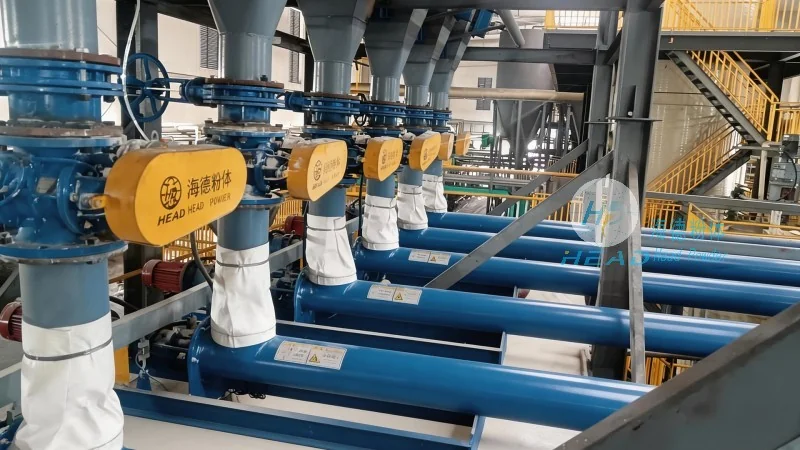
Third, the layout and integration of the conveying system with existing plant infrastructure are critical. The system must be designed to connect seamlessly with storage silos, hoppers, and processing equipment. HeadPowder’s engineers consider factors such as space constraints, material flow direction, and safety protocols during the layout design. This ensures that the system operates efficiently without disrupting other plant processes.
Fourth, safety and environmental considerations are paramount. Pneumatic conveying systems must comply with local regulations regarding dust control, noise reduction, and air quality. HeadPowder incorporates advanced filtration and dust collection systems to minimize emissions and ensure a safe working environment. Additionally, the system is designed with fail-safe mechanisms to prevent material spills or air leaks, enhancing overall safety.
Benefits of a Well-Designed Cement Fly Ash Pneumatic Conveying System
Implementing a properly designed pneumatic conveying system for cement and fly ash offers numerous benefits. One of the primary advantages is increased operational efficiency. By automating the material transport process, plants can reduce manual handling, minimize downtime, and improve production throughput. This leads to lower labor costs and higher overall productivity.
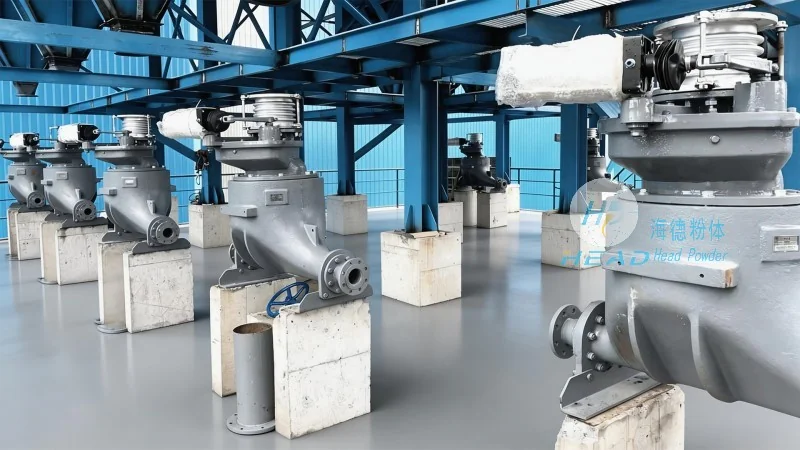
Another significant benefit is cost savings. A well-engineered system reduces energy consumption by optimizing air flow and pressure. It also minimizes material loss during transport, which can be a significant expense in bulk material handling. Additionally, the reduced maintenance requirements due to proper design extend the lifespan of the equipment, further reducing long-term costs.
Environmental sustainability is another key benefit. Modern pneumatic conveying systems incorporate advanced filtration and dust control technologies to minimize air pollution. This not only helps in complying with environmental regulations but also contributes to a cleaner and safer workplace. By reducing dust emissions, these systems contribute to a more sustainable industrial operation.
Furthermore, the reliability of a well-designed system enhances plant safety. Properly engineered systems are less prone to blockages, overpressure, or other failures that can lead to accidents or production disruptions. HeadPowder’s systems are designed with redundant components and fail-safe features to ensure continuous operation and minimize the risk of operational hazards.
Conclusion: Partnering with HeadPowder for Optimal Cement Fly Ash Handling
Designing a reasonable cement fly ash pneumatic conveying system requires a combination of technical expertise, material knowledge, and practical experience. HeadPowder, with its strong presence in Shandong, China, offers a comprehensive approach to system design, ensuring that each project meets the specific needs of the client. By focusing on efficiency, safety, and sustainability, HeadPowder’s systems provide long-term value to cement and power plants. For businesses looking to improve their material handling processes, partnering with HeadPowder is a strategic step toward achieving operational excellence and cost-effectiveness.




