When it comes to handling calcium oxide dry powder, the design of an efficient pneumatic conveying system is crucial for ensuring safe, reliable, and cost-effective material transport. This article provides a comprehensive guide on how to design a rational calcium oxide dry powder pneumatic conveying system, focusing on key considerations and best practices that can be applied by professionals in the field.
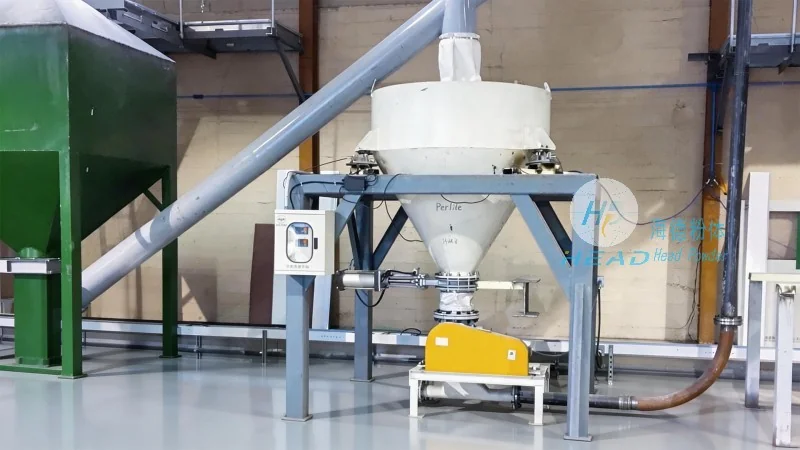
Understanding the Core Principles of Calcium Oxide Dry Powder Pneumatic Conveying
Before diving into the specifics of system design, it's essential to grasp the fundamental principles that govern the operation of pneumatic conveying systems for calcium oxide. Calcium oxide, also known as quicklime, is a fine, abrasive powder that requires specialized handling to prevent material degradation, equipment wear, and operational inefficiencies. The primary goal of a pneumatic conveying system is to transport this powder from a source to a destination using air as the conveying medium, while maintaining the material's integrity and minimizing energy consumption.
Key Design Considerations for a Reliable System
Designing a successful calcium oxide dry powder pneumatic conveying system involves several critical factors that must be carefully evaluated. First, the material's properties, such as particle size distribution, density, and flowability, play a significant role in determining the appropriate conveying method and equipment. For calcium oxide, which typically has a particle size ranging from 10 to 200 microns and a bulk density of around 1.1 g/cm³, a positive pressure system is often preferred due to its ability to handle fine powders and prevent dust accumulation.
Second, the system's layout and the distance between the source and destination are crucial. The conveying distance, vertical and horizontal elevation changes, and the number of turns or bends in the pipeline all impact the required air velocity and pressure. A well-designed system should account for these variables to ensure that the powder is conveyed smoothly without clogging or excessive pressure drop.
Equipment Selection and System Components
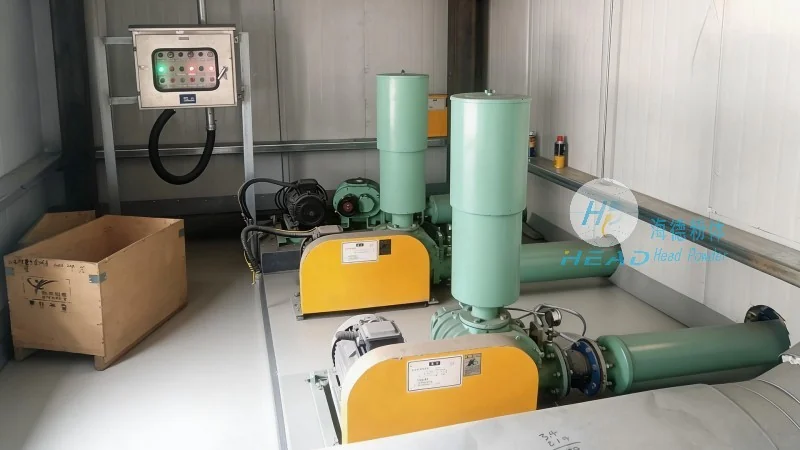
The choice of equipment is a critical aspect of system design. For calcium oxide dry powder, common components include a feed hopper with a rotary valve or star feeder to control the material flow, a blower or positive displacement pump to generate the conveying air, a pipeline system with appropriate diameter and material (often stainless steel to resist corrosion from lime dust), and a receiver or discharge hopper at the destination. The selection of these components depends on the system's capacity, conveying distance, and the specific requirements of the application.
For instance, the feed hopper must be designed to prevent material bridging or segregation, which can lead to uneven flow and system inefficiencies. The rotary valve or star feeder provides a controlled, consistent feed rate, ensuring that the conveying air is utilized efficiently. The blower or pump must be capable of delivering the required air volume and pressure to overcome the system's resistance and maintain the desired conveying velocity.
Optimizing System Performance and Efficiency
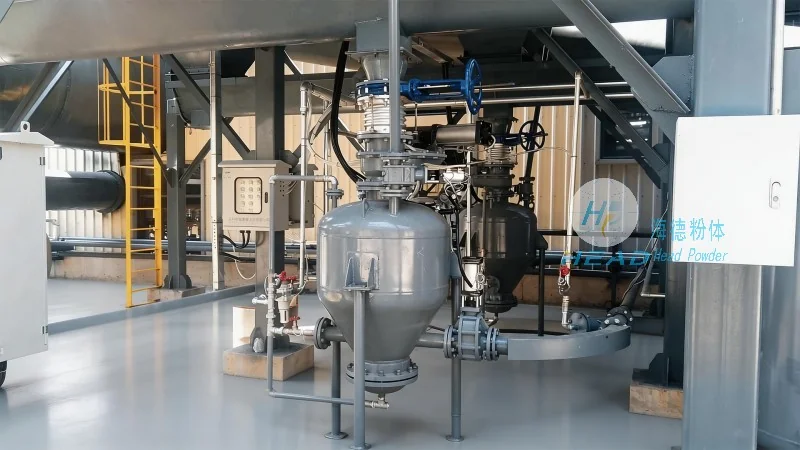
Once the system is installed, optimizing its performance is essential to maximize efficiency and minimize operational costs. This involves monitoring key parameters such as air pressure, flow rate, and material flow rate, and making adjustments as needed. Regular maintenance of the equipment, such as cleaning the pipeline and replacing worn parts, is also crucial to prevent system downtime and maintain optimal performance.
Additionally, the use of advanced control systems can help automate the operation of the pneumatic conveying system, ensuring that it operates at peak efficiency under varying conditions. These systems can adjust the air pressure and flow rate in real-time based on the material feed rate, thereby reducing energy consumption and extending the life of the equipment.
Conclusion
Designing a rational calcium oxide dry powder pneumatic conveying system requires a thorough understanding of the material's properties, the system's layout, and the appropriate equipment. By following best practices and considering all relevant factors, professionals can create a system that is reliable, efficient, and cost-effective. The expertise of companies like Shandong HeadPowder Engineering Co., Ltd., with their focus on engineering solutions tailored to specific industrial needs, can be invaluable in achieving these goals.




