Salt, a fundamental ingredient in food production and industrial applications, requires efficient and reliable transportation from storage to processing facilities. Traditional methods for salt conveyance include mechanical systems like belt conveyors, screw conveyors, and bucket elevators. However, these methods often face challenges such as material buildup, maintenance issues, and limited flexibility in handling varying salt types and particle sizes. As a result, many industries are turning to pneumatic conveying systems as a more advanced solution for salt transport. This article explores common salt conveying methods and highlights the advantages of HeadPowder's pneumatic salt conveying technology.
Traditional Salt Conveying Methods
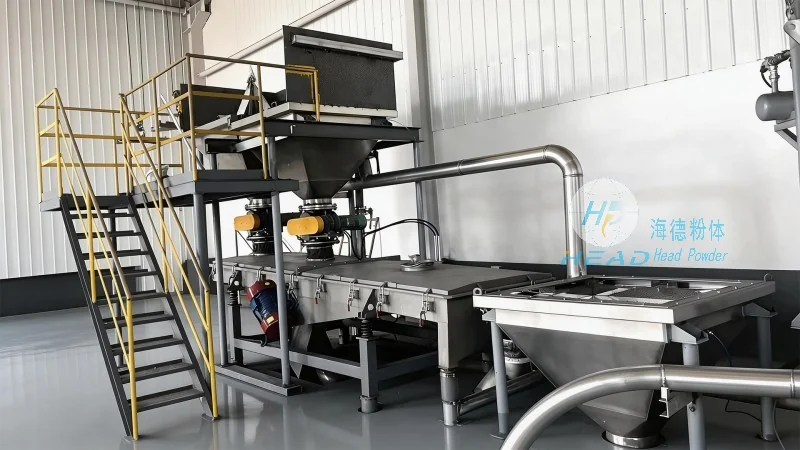
Before delving into modern pneumatic solutions, it's essential to understand the conventional approaches used in salt handling. Mechanical conveyors, such as belt conveyors, are widely used for transporting bulk salt over short to medium distances. These systems rely on motor-driven belts to move salt from storage silos to processing areas. While effective for certain applications, belt conveyors can struggle with sticky or abrasive salt particles, leading to increased wear and tear on components. Screw conveyors, another common option, use rotating screws to push salt through pipelines. They are suitable for horizontal or slightly inclined transport but may experience blockages with wet or clumpy salt, requiring regular cleaning and maintenance.
Bucket elevators are also employed in salt handling, particularly for vertical transport. These systems use a series of buckets attached to a chain or belt to lift salt from lower to upper levels. However, bucket elevators can be noisy and may not handle fine or powdery salt well, as particles can fall through the buckets or cause clogging. Additionally, the mechanical parts of these systems are prone to wear, increasing operational costs over time. Despite their widespread use, traditional conveyors often require frequent maintenance and may not provide the flexibility needed for modern industrial processes.
HeadPowder's Pneumatic Salt Conveying System
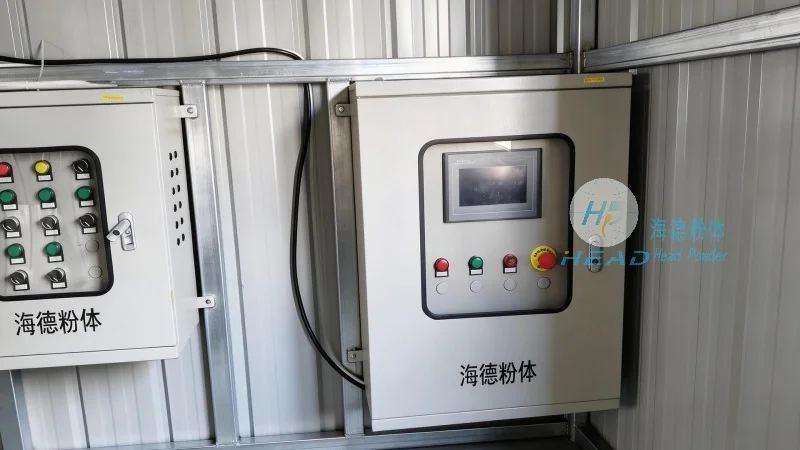
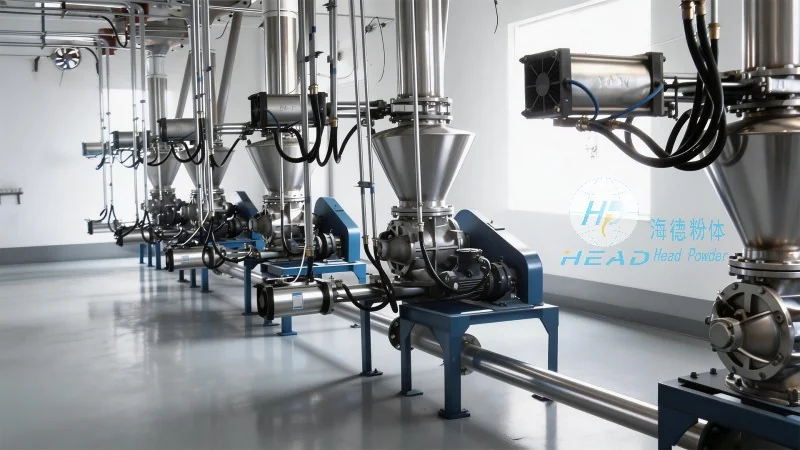
HeadPowder, a leading manufacturer of material handling solutions based in Shandong, China, offers a cutting-edge pneumatic salt conveying system designed to address the limitations of traditional methods. The system utilizes air pressure to transport salt particles through a network of pipes, eliminating the need for mechanical components that can cause wear and tear. This technology is particularly effective for handling various salt types, including table salt, industrial salt, and salt with additives, as it can accommodate different particle sizes and moisture levels without compromising efficiency.
The pneumatic conveying system from HeadPowder is engineered with durability and efficiency in mind. It features high-quality materials resistant to corrosion and abrasion, ensuring long-term performance even in harsh industrial environments. The system's design allows for flexible installation, with the ability to handle both horizontal and vertical transport, making it suitable for a wide range of salt processing facilities. Additionally, the system operates quietly and with minimal maintenance, reducing operational costs and downtime for businesses.
Key advantages of HeadPowder's pneumatic salt conveying system include its ability to handle abrasive and sticky salt without clogging, its energy efficiency compared to mechanical systems, and its adaptability to different salt types and processing requirements. The system is also equipped with advanced control mechanisms that allow for precise regulation of air pressure and flow, ensuring consistent and reliable salt transport. This level of control is crucial for maintaining product quality and preventing contamination during the conveying process.
Key Features and Benefits
HeadPowder's pneumatic salt conveying system offers several key features that set it apart from traditional methods. One of the primary benefits is the reduction in mechanical wear and tear, as the system relies on air pressure rather than moving parts. This results in lower maintenance costs and longer equipment lifespan. The system also provides better control over particle size and moisture content, ensuring that salt is transported in its optimal condition for processing. Furthermore, the pneumatic design allows for the integration of multiple conveying lines, enabling the simultaneous transport of different salt products or additives, which enhances operational flexibility.
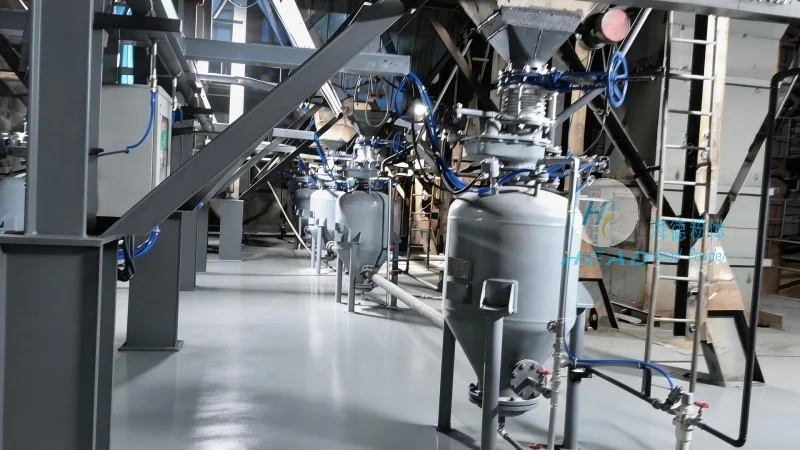
The system's energy efficiency is another significant advantage. By using compressed air to move salt, the system consumes less energy compared to mechanical conveyors, leading to lower operational costs and reduced environmental impact. This is particularly important for industries focused on sustainability and cost management. Additionally, the system's compact design allows for installation in limited spaces, making it suitable for facilities with space constraints.
Conclusion
In conclusion, while traditional salt conveying methods have been widely used, they often face challenges related to maintenance, efficiency, and flexibility. HeadPowder's pneumatic salt conveying system provides a modern and effective solution that addresses these issues. By leveraging air pressure to transport salt, the system offers durability, efficiency, and adaptability, making it an ideal choice for salt processing facilities. With its advanced features and benefits, HeadPowder's pneumatic salt conveying system is a reliable and cost-effective solution for businesses looking to improve their salt handling operations.




