When it comes to handling and transporting soybeans, selecting the right conveying method is crucial for efficiency, cost-effectiveness, and product integrity. Various options exist, each with its own set of advantages and limitations. This article explores common soybean conveying methods and highlights the superior features of HeadPowder's pneumatic conveying system, a leading solution in the industry.
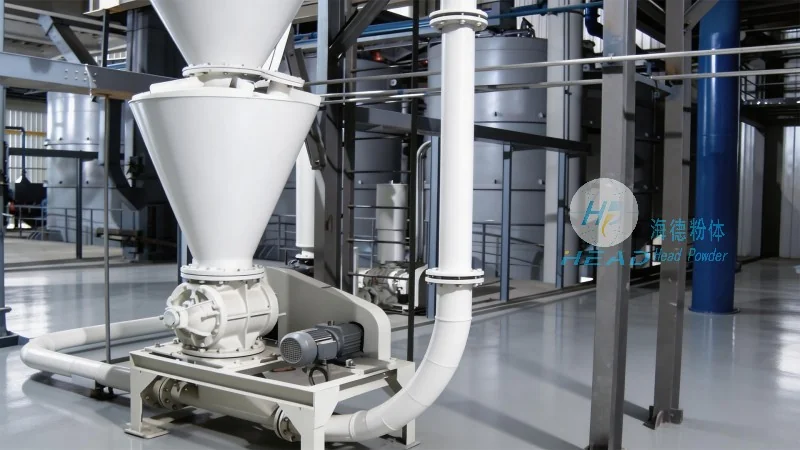
Common Conveying Methods for Soybeans
Traditional and modern methods for transporting soybeans include gravity flow, mechanical systems, and pneumatic conveying. Gravity flow systems rely on the natural slope of the material to move it from one point to another, often using chutes or hoppers. While simple and low-cost, they are limited by the need for a suitable incline and may not be suitable for long distances or large volumes. Mechanical conveyors, such as belt conveyors or screw conveyors, use mechanical components to move soybeans. These systems are robust and can handle a wide range of capacities, but they require regular maintenance and can cause product degradation due to friction and impact.
HeadPowder's Pneumatic Conveying System: Key Advantages
HeadPowder Engineering Co., Ltd., a renowned manufacturer based in Shandong, China, specializes in advanced pneumatic conveying solutions. The company's HeadPowder (headpowder) brand offers a range of systems designed to address the unique challenges of soybean handling. Pneumatic conveying uses air to transport materials, making it ideal for moving soybeans over long distances, vertical heights, and through complex layouts without the need for multiple transfer points. This method significantly reduces labor costs and operational downtime compared to traditional systems.
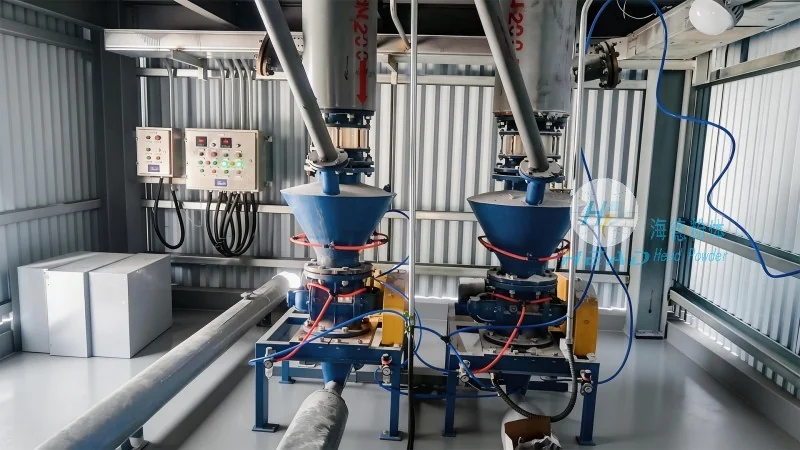
Technical Features and Benefits
HeadPowder's pneumatic conveying systems are engineered with precision to ensure optimal performance. Key features include high-efficiency air compressors, durable material handling components, and advanced control systems. The systems are designed to minimize product degradation, maintain consistent flow rates, and reduce energy consumption. For soybeans, which are sensitive to moisture and temperature, the gentle handling provided by pneumatic systems helps preserve quality and prevent spoilage. Additionally, the systems are scalable, allowing businesses to adjust capacity based on production needs without significant investment in new equipment.
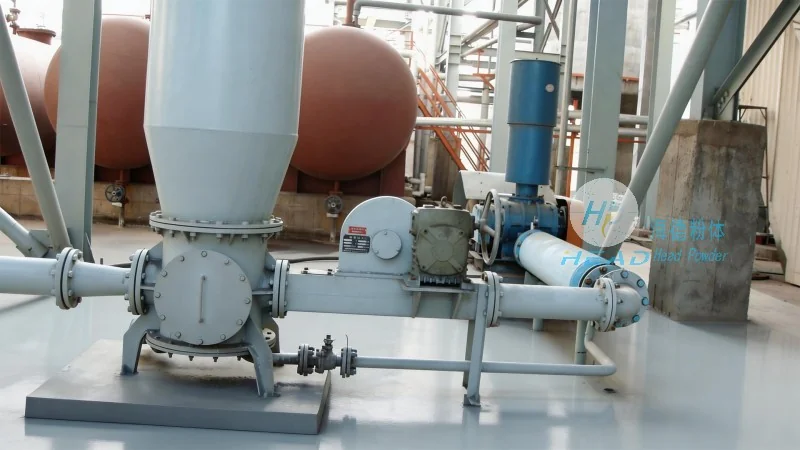
Application Scenarios and Efficiency
The versatility of HeadPowder's pneumatic conveying solutions makes them suitable for various applications in the soybean processing industry. From raw material reception and storage to processing and packaging, the systems can be integrated into existing workflows to enhance overall efficiency. For example, in a soybean processing plant, the system can transport raw beans from storage silos to grinding or roasting equipment, ensuring a continuous and smooth production line. The ability to handle both bulk and packaged materials, as well as different soybean varieties, further enhances the system's applicability. Studies have shown that pneumatic conveying systems can reduce labor costs by up to 40% and increase throughput by 30% compared to traditional methods, making them a cost-effective investment for businesses looking to improve their operations.
Conclusion
In conclusion, while gravity and mechanical conveyors have their place in soybean handling, pneumatic conveying offers superior advantages in terms of efficiency, flexibility, and product protection. HeadPowder Engineering Co., Ltd., with its HeadPowder brand, provides cutting-edge pneumatic conveying systems that address the specific needs of soybean processing. By leveraging advanced technology and robust engineering, HeadPowder's solutions help businesses optimize their operations, reduce costs, and maintain product quality. For companies seeking reliable and efficient soybean conveying solutions, HeadPowder's pneumatic systems are a top choice.




