Graphite powder is widely utilized across diverse industrial sectors due to its exceptional properties, such as excellent lubrication, thermal conductivity, and chemical resistance. Efficient handling of graphite powder is essential for maintaining product quality and operational efficiency in manufacturing processes. This article delves into the working principle and key characteristics of specialized equipment designed for transporting graphite powder, offering insights into how these systems enhance industrial operations.
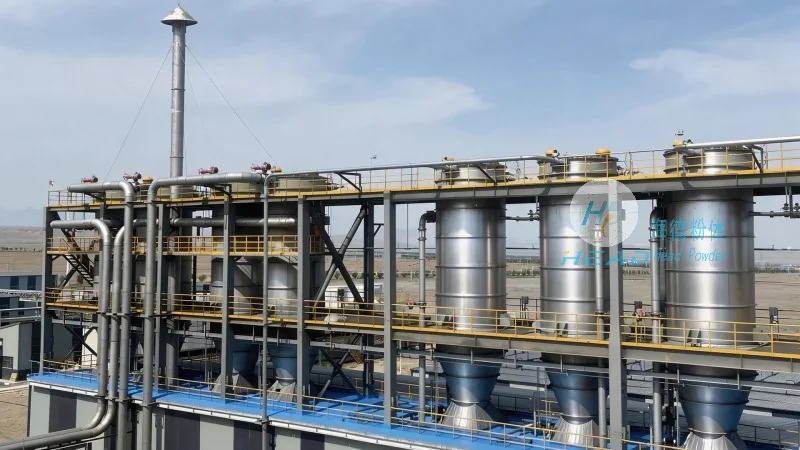
Working Principle of Graphite Powder Material Handling Equipment
The primary function of graphite powder material handling equipment is to transport bulk graphite powder from one location to another within a production facility or between different stages of a manufacturing process. These systems typically operate on mechanical or pneumatic principles, utilizing components like conveyor belts, screw conveyors, or air pipelines to facilitate material movement. The working principle involves coordinated actions of these components to ensure smooth and controlled flow of the fine powder.
In a typical screw conveyor system, a rotating helical screw inside a cylindrical housing pushes the graphite powder forward. The design of the screw—specifically its pitch and diameter—is optimized to accommodate the fine particle size and cohesive nature of graphite powder. This mechanical action ensures consistent material movement without causing excessive friction or particle degradation. Conversely, pneumatic conveying systems employ compressed air to transport the powder through a pipeline. The air flow generates a drag force that lifts and moves the graphite particles, enabling both low and high-pressure applications based on the distance and volume of material to be transported.
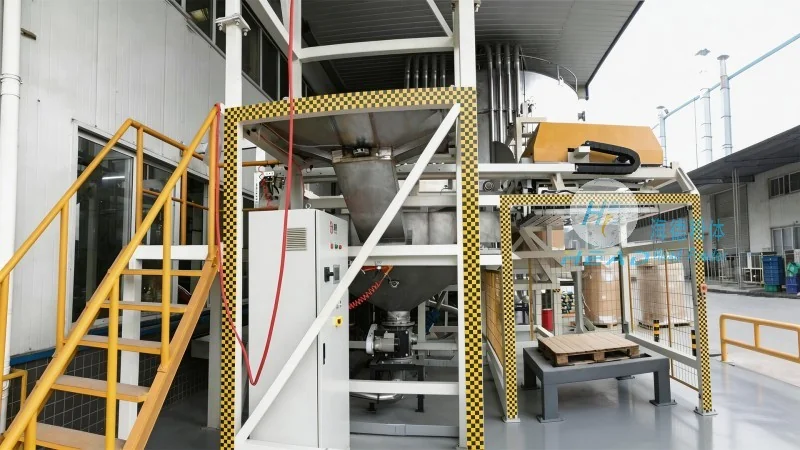
Key Features of Graphite Powder Material Handling Equipment
Specialized equipment for graphite powder handling is engineered with features addressing the unique challenges of working with this material. A critical feature is the ability to prevent dust generation and maintain a clean environment. Graphite powder’s fine particles can easily become airborne, posing respiratory risks or contaminating other processes. Therefore, equipment often includes dust collection systems, sealed housings, and air filtration to minimize exposure and ensure compliance with industrial safety standards.
Another important feature is the equipment’s capability to handle graphite powder’s tendency to stick or agglomerate. The material’s cohesive properties can cause clumping, potentially clogging conventional conveyor systems. To mitigate this, many systems incorporate vibration mechanisms, anti-static coatings, or specialized screw designs that break up agglomerates during conveyance. This ensures consistent flow and prevents system downtime from blockages.
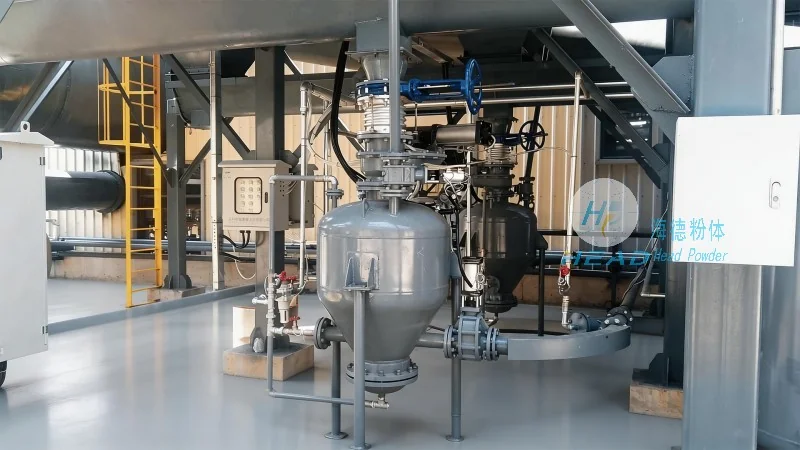
Efficiency and energy consumption are also key considerations in equipment design. Modern systems often feature variable speed drives that adjust conveyor speed based on material load, optimizing energy use while maintaining throughput. Additionally, lightweight construction materials reduce operational costs and enhance durability. These features contribute to a sustainable and cost-effective material handling solution.
Company Information: Shandong HeadPowder Engineering Co., Ltd.
Shandong HeadPowder Engineering Co., Ltd., branded as headpowder, is a leading manufacturer of specialized material handling equipment for industries dealing with fine powders, including graphite. With a focus on innovation and customer-centric solutions, the company has established itself as a trusted partner in providing reliable and efficient equipment for various industrial applications. HeadPowder’s products are tailored to meet specific client needs, ensuring optimal performance and safety in material handling processes. The company’s headquarters is located in Shandong, China, where it leverages advanced manufacturing techniques and a skilled workforce to deliver high-quality equipment that meets the demands of modern industry.




