For industries dealing with dolomite, efficient material handling is crucial for maintaining production efficiency and safety. Dolomite, a calcium magnesium carbonate mineral, is widely used in various applications such as cement production, glass manufacturing, and chemical processing. The proper handling of dolomite requires specialized equipment designed to manage its unique physical properties, including its density, particle size, and flow characteristics. This article explores the working principles and key features of modern dolomite material handling equipment, highlighting how these systems enhance operational performance in industrial settings.
Working Principle of Dolomite Material Handling Systems
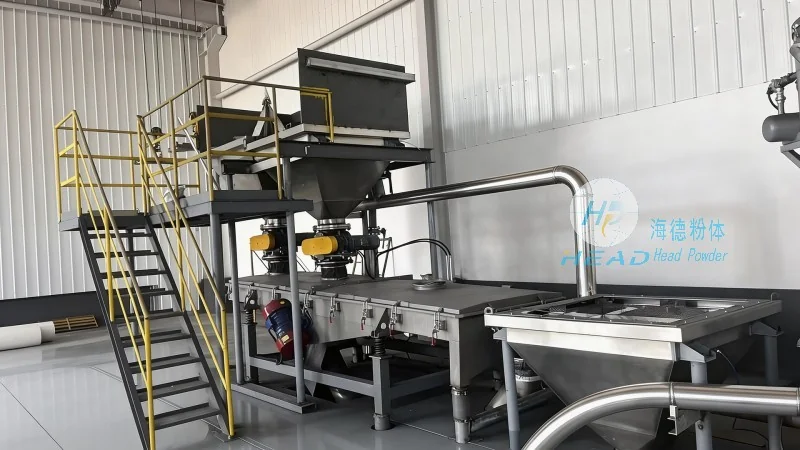
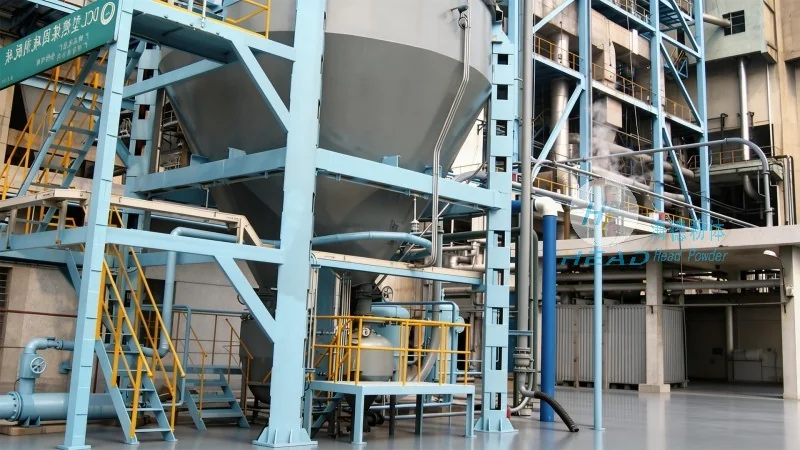
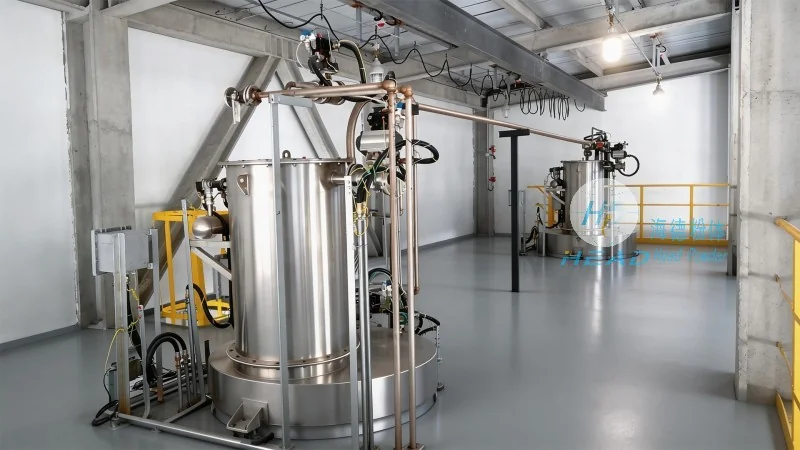
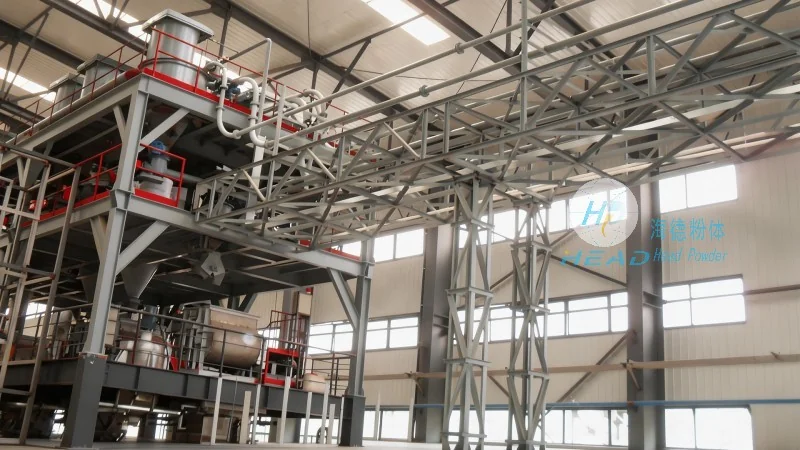
The core of dolomite material handling equipment lies in its ability to transport, store, and process the material efficiently. These systems typically integrate multiple components, including feeders, conveyors, storage silos, and control mechanisms. The working principle involves several key steps: first, the dolomite is fed into the system through a hopper or feeder, which regulates the flow rate to prevent overloading or blockages. Next, the material is transported via conveyor belts, screw conveyors, or pneumatic systems to the processing or storage areas. Storage silos are used to hold large quantities of dolomite, ensuring a steady supply to downstream operations. Control systems monitor and adjust the flow, speed, and pressure to maintain optimal performance and prevent equipment damage. Specific equipment like bucket elevators or chain conveyors may be used for vertical transport, while belt conveyors handle horizontal movement. The entire process is managed by a central control panel that ensures smooth operation and adaptability to varying material conditions.
Key Features of Advanced Dolomite Handling Equipment
Modern dolomite material handling equipment is equipped with several advanced features that enhance reliability, efficiency, and safety. One of the primary features is the use of high-capacity conveyors, such as belt conveyors or screw conveyors, which can handle large volumes of dolomite with minimal maintenance. These conveyors are often equipped with variable speed drives, allowing operators to adjust the speed based on the material's flow characteristics and processing requirements. Another important feature is the integration of dust control systems, as dolomite can generate significant dust during handling, which poses health and safety risks. These systems use filters and ventilation to capture and remove dust, ensuring a clean working environment. Additionally, many modern systems incorporate automated control and monitoring, using sensors to detect blockages, overloads, or other issues in real-time, and alerting operators to take corrective action. Advanced materials like stainless steel or corrosion-resistant alloys are used to prevent wear and degradation from dolomite's chemical properties, extending equipment life and reducing maintenance costs.




