For industrial applications that require the precise and efficient transport of fine polished sand, specialized material handling equipment is essential. This equipment is designed to handle the unique properties of fine polished sand, ensuring minimal loss, contamination, and damage during the transport process. In this article, we will explore the working principle and key features of such equipment, with a focus on the solutions provided by Shandong HeadPowder Engineering Co., Ltd., a leading manufacturer based in Shandong, China.
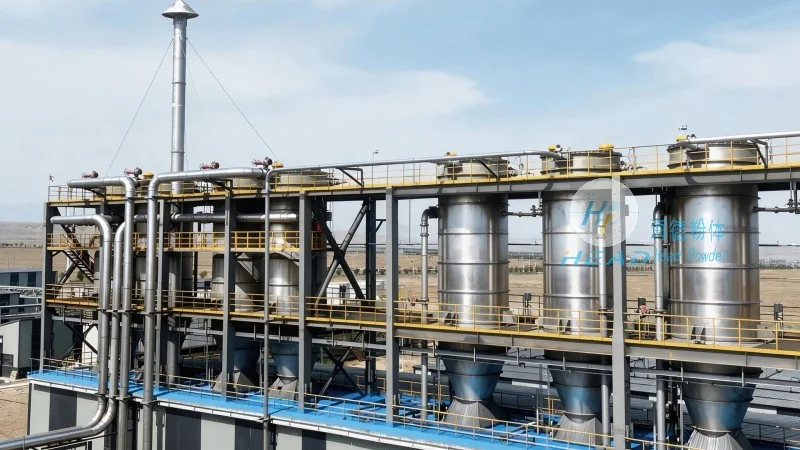
Company Background and Expertise
Shandong HeadPowder Engineering Co., Ltd. is a professional manufacturer and supplier of material handling equipment, specializing in solutions for the processing and transport of fine powders and granular materials. With years of experience in the industry, the company has developed a deep understanding of the challenges associated with handling fine polished sand, such as its low bulk density, high dust generation, and sensitivity to moisture and contamination. HeadPowder's commitment to innovation and quality has enabled them to design and produce equipment that meets the stringent requirements of various industrial sectors, including foundries, refractory materials, and abrasive products manufacturing.
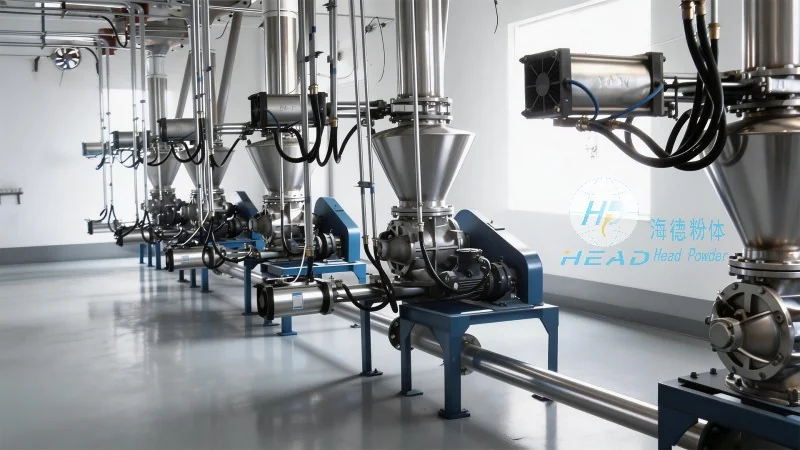
Working Principle of Fine Polished Sand Material Handling Equipment
The core working principle of fine polished sand material handling equipment revolves around the efficient transfer of material from a source to a destination while maintaining its quality and integrity. The typical components of such equipment include a feeding system, a conveying mechanism, and a discharge system, all working in tandem to achieve the desired transport efficiency. The feeding system is responsible for collecting the fine polished sand from a storage hopper or silo and feeding it into the conveying section. This is often achieved through the use of rotary valves or screw feeders, which can control the flow rate and prevent material bridging or clogging. The conveying mechanism, which is the heart of the system, can vary depending on the specific application and material characteristics. Common types include pneumatic conveying systems, which use air pressure to move the sand through a pipeline, and mechanical conveying systems, such as belt conveyors or screw conveyors, which rely on mechanical force to transport the material. The discharge system then delivers the fine polished sand to the target location, such as a mixing tank, storage silo, or processing unit. Throughout the process, the equipment is designed to minimize material degradation, ensure consistent flow rates, and maintain a clean and safe working environment.
Key Features of Fine Polished Sand Material Handling Equipment
When evaluating fine polished sand material handling equipment, several key features are critical to its performance and suitability for specific applications. These features are designed to address the unique challenges of handling fine polished sand and enhance overall operational efficiency. First, the equipment must offer high transport efficiency and reliability. This means maintaining consistent flow rates, minimizing downtime due to clogging or blockages, and ensuring smooth operation even with varying material feed rates. The use of robust materials and advanced sealing technologies helps prevent material leakage and contamination, which is crucial for maintaining the quality of fine polished sand. Second, the equipment should be designed for easy maintenance and cleaning. Fine polished sand can adhere to equipment surfaces, leading to buildup and reduced efficiency. Features such as easy-to-access components, self-cleaning mechanisms, and non-stick surfaces help minimize maintenance requirements and ensure long-term performance. Third, the equipment must be compatible with the specific properties of fine polished sand. This includes considerations such as the sand's particle size distribution, moisture content, and dust generation potential. Equipment designed with these factors in mind can better handle the material without causing degradation or loss. Fourth, energy efficiency is an important consideration for modern material handling systems. By optimizing the conveying mechanism and reducing unnecessary energy consumption, the equipment can lower operational costs and contribute to sustainability goals. Finally, safety features are essential to protect operators and prevent accidents. This includes proper ventilation to control dust exposure, emergency stop mechanisms, and compliance with industry safety standards.
Conclusion
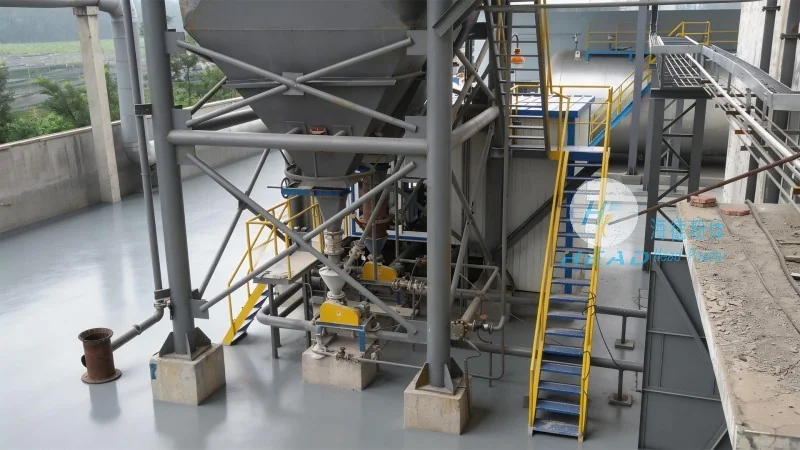
Effective handling of fine polished sand requires specialized equipment that combines advanced technology with careful design considerations. The working principle of such equipment, which involves precise feeding, efficient conveying, and controlled discharge, ensures that the material is transported safely and efficiently. The key features of these systems, including high efficiency, reliability, ease of maintenance, material compatibility, energy efficiency, and safety, make them indispensable for various industrial applications. As a leading manufacturer, Shandong HeadPowder Engineering Co., Ltd. continues to innovate and provide high-quality solutions that meet the evolving needs of the industry, helping businesses maintain productivity and product quality in the transport of fine polished sand.




