Quicklime, also known as calcium oxide, is a critical industrial material widely used in various sectors such as construction, chemical manufacturing, and environmental treatment. The efficient handling and transportation of quicklime are essential for maintaining production efficiency and ensuring safety in industrial operations. This article delves into the working principle and key features of quicklime material conveying lines, providing insights into how these systems operate and their advantages in industrial applications.
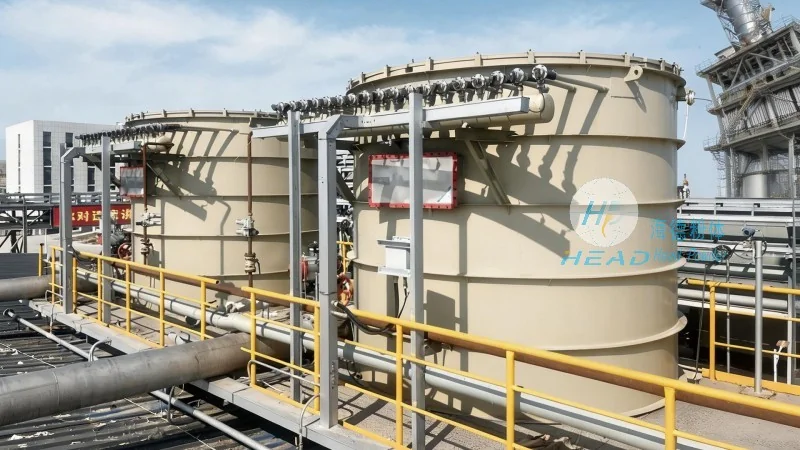
Overview of Quicklime Material Conveying Lines
Quicklime material conveying lines are specialized systems designed to transport quicklime from storage or processing units to the points of use within an industrial facility. These systems are engineered to handle the unique properties of quicklime, including its high reactivity, dustiness, and potential for generating heat during handling. The primary goal of such lines is to ensure a continuous, safe, and efficient flow of material while minimizing operational risks and downtime.
The Working Principle of Quicklime Material Conveying Lines
The working principle of quicklime material conveying lines typically involves several key components and processes that work in tandem to achieve material transport. The system generally starts with the storage of quicklime in bulk containers or silos. From there, the material is transferred to the conveying equipment, which may include screw conveyors, belt conveyors, or pneumatic systems, depending on the specific requirements of the application.
For screw conveyors, the quicklime is fed into a rotating screw within a trough. The rotation of the screw pushes the material forward along the trough, allowing for horizontal or slight incline transport. This method is effective for handling dry, free-flowing materials like quicklime and is commonly used in industrial settings due to its simplicity and reliability.
Belt conveyors, on the other hand, use a continuous belt to transport quicklime. The material is placed on the belt at the loading point and moves along the path of the conveyor. This type of system is suitable for longer distances and higher material volumes, making it ideal for large-scale industrial operations. The belt can be equipped with special features such as sealing or dust control mechanisms to prevent material spillage and dust emission.
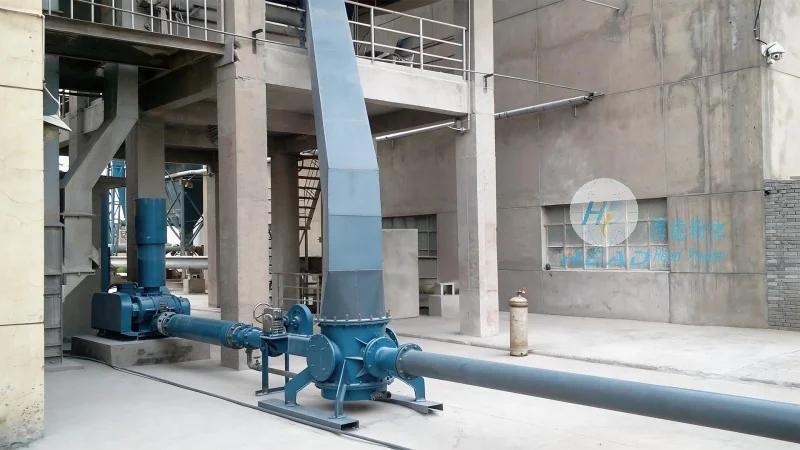
Pneumatic conveying systems, which use air pressure to move quicklime, are another common method. In this system, quicklime is introduced into a pipeline where it is carried by a stream of air. The air pressure propels the material through the pipeline to the destination. Pneumatic systems are particularly useful for handling fine or dusty quicklime and can be designed for both low and high-pressure applications, offering flexibility in material transport.
Regardless of the specific conveying method, the core working principle involves the controlled movement of quicklime from its source to the point of use. This process is often integrated with other industrial equipment, such as feeders, hoppers, and control systems, to ensure smooth and continuous operation. The entire system is typically controlled by a central control panel that monitors parameters like flow rate, pressure, and temperature, allowing for real-time adjustments to maintain optimal performance.
Key Features of Quicklime Material Conveying Lines
Quicklime material conveying lines are characterized by several key features that make them suitable for industrial applications. These features address the unique challenges associated with handling quicklime and enhance overall operational efficiency and safety.
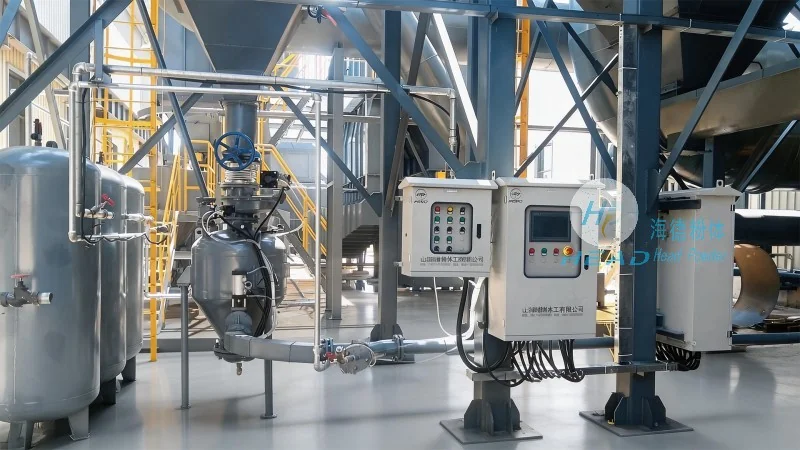
Firstly, these systems are designed with dust control and containment measures. Quicklime is a fine, powdery material that can generate significant dust during handling, which poses health and safety risks. The conveying lines are equipped with sealed hoppers, enclosed conveyor sections, and dust collection systems to minimize dust emission and ensure a clean working environment. This not only protects workers but also prevents material loss and contamination.
Secondly, the systems are engineered for durability and resistance to the corrosive and reactive nature of quicklime. Quicklime can be highly abrasive and reactive, potentially causing wear and damage to equipment over time. The components of the conveying line, such as screws, belts, and pipelines, are made from materials that are resistant to these properties, such as stainless steel or specialized alloys. This ensures long-term reliability and reduces maintenance costs.
Thirdly, quicklime material conveying lines are designed for efficiency and energy savings. The systems are optimized to minimize energy consumption while maintaining high material throughput. This is achieved through the use of efficient motor drives, variable speed controls, and optimized conveyor designs that reduce friction and energy loss. Additionally, the systems often incorporate automation and control features that allow for precise material flow management, further enhancing operational efficiency.
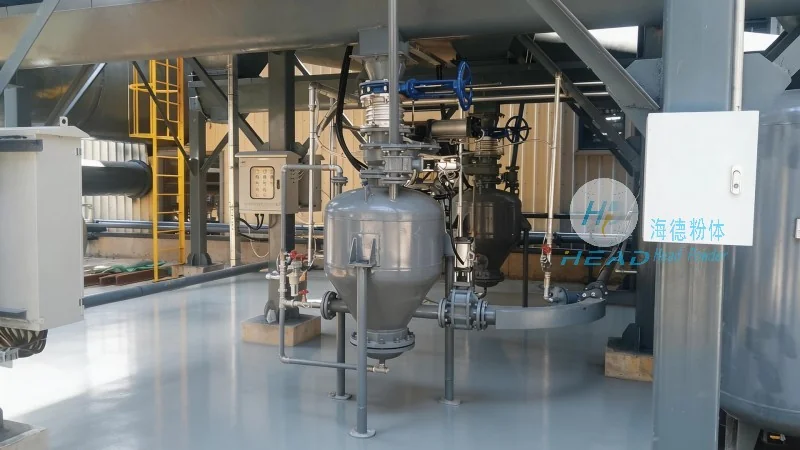
Fourthly, these conveying lines are equipped with safety features to protect both personnel and equipment. This includes emergency stop buttons, overload protection systems, and interlocks that prevent unauthorized access to hazardous areas. The enclosed design of the conveying system also reduces the risk of accidental exposure to quicklime dust or material spills, contributing to a safer working environment.
Fifthly, the systems are designed for flexibility and adaptability. Quicklime processing facilities often require changes in production volume or material flow paths. The conveying lines are engineered to be modular and adjustable, allowing for easy reconfiguration or expansion as needed. This flexibility ensures that the system can meet the evolving needs of the industrial operation without significant downtime or major modifications.
Conclusion
In conclusion, quicklime material conveying lines are sophisticated systems that play a vital role in the efficient and safe handling of quicklime in industrial applications. By understanding the working principle and key features of these systems, industrial operators can make informed decisions about the most suitable conveying solutions for their specific needs. The combination of advanced technology, robust design, and safety features makes quicklime material conveying lines an essential component of modern industrial operations, ensuring continuous production and compliance with safety standards.
For more information on quicklime material conveying lines and related industrial solutions, please contact Shandong HeadPowder Engineering Co., Ltd., located in Shandong, China. The company specializes in providing high-quality engineering solutions tailored to the unique requirements of industrial material handling.




