Working Principle and Features of Automatic Bulk Bag Unloading Powder Pneumatic Conveying Equipment
Release time:2026-09-18 05:01:28
name of the company:Shandong Headpowder Engineering Co., Ltd.
telephone:156-6277-7102
contacts:Zhang manager
Automatic bulk bag unloading powder pneumatic conveying equipment is a specialized system designed to handle the efficient and safe transfer of bulk powders from bulk bags (also known as FIBCs or flexible intermediate bulk containers) into processing facilities or storage systems. This equipment is crucial in industries such as pharmaceuticals, food processing, chemicals, and minerals, where maintaining product integrity and operational efficiency is paramount. The system integrates several key components, including bulk bag unloading mechanisms, pneumatic conveying lines, and control systems, to ensure seamless material handling from the point of receipt to the point of use. Developed by Shandong HeadPowder Engineering Co., Ltd., a leading manufacturer in the field, this equipment combines advanced engineering with robust construction to meet the demanding requirements of modern industrial applications.
Working Principle of the Equipment
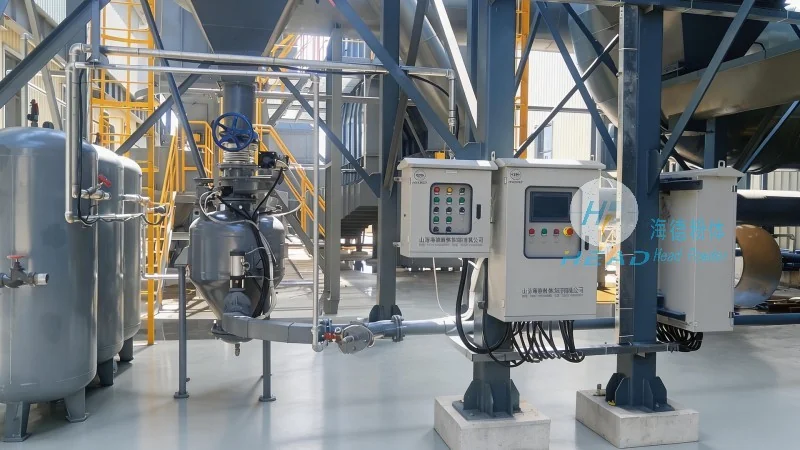
The working principle of an automatic bulk bag unloading powder pneumatic conveying system involves a series of coordinated steps that ensure the safe and efficient transfer of powders. The process typically begins with the placement of a bulk bag onto a designated unloading station. The system then uses a combination of mechanical and pneumatic forces to open the bag, discharge the contents, and transfer them through a conveying line to the target destination. Key components in this process include:
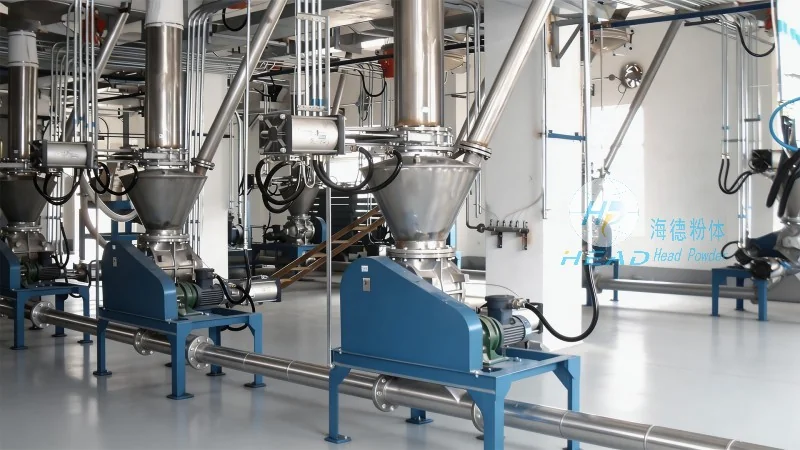
- Bulk Bag Unloading Mechanism: This component is responsible for opening the top of the bulk bag and allowing the powder to flow out. It may use a valve system, such as a bottom discharge valve or a top opening mechanism, depending on the bag design and the material being handled.
- Pneumatic Conveying Line: Once the powder is discharged from the bag, it is drawn into a conveying line using compressed air or a vacuum system. The conveying line transports the powder to the processing area or storage silo. The design of the line, including the diameter of the pipes and the type of air flow (positive or negative pressure), is critical to maintaining the flow rate and preventing material degradation.
- Control System: The control system monitors and regulates the entire process, ensuring that the unloading and conveying operations are carried out in a synchronized manner. It may include sensors to detect the level of powder in the bag, the pressure in the conveying line, and the flow rate of the material. The system can also be programmed to stop operations if any abnormalities are detected, such as a blockage or a low air pressure.
Key Features and Advantages
Automatic bulk bag unloading powder pneumatic conveying equipment offers several advantages over traditional manual or semi-automatic systems. These features enhance operational efficiency, product quality, and safety. Some of the key features include:
- Automation and Reduced Labor: The automated nature of the system reduces the need for manual labor, minimizing the risk of human error and improving consistency in the unloading process. This also allows operators to focus on other tasks, increasing overall productivity.
- Enhanced Product Integrity: The system is designed to minimize exposure of the powder to air and moisture, which can cause degradation or contamination. The enclosed conveying lines and controlled air flow help maintain the quality and purity of the material, which is especially important in industries like pharmaceuticals and food processing.
- Space Efficiency: The compact design of the equipment allows it to be installed in limited spaces, making it suitable for facilities with restricted floor space. The system can be customized to fit the specific layout and requirements of the processing plant.
- Flexibility and Scalability: The equipment can be configured to handle various types of bulk bags and different powder characteristics. It can also be scaled up or down to accommodate changes in production volume, making it a versatile solution for growing businesses.
- Environmental Considerations: The enclosed system reduces dust emissions and minimizes the risk of environmental contamination. It also helps in maintaining a clean and safe working environment, which is essential for compliance with regulatory standards.
Applications and Industries
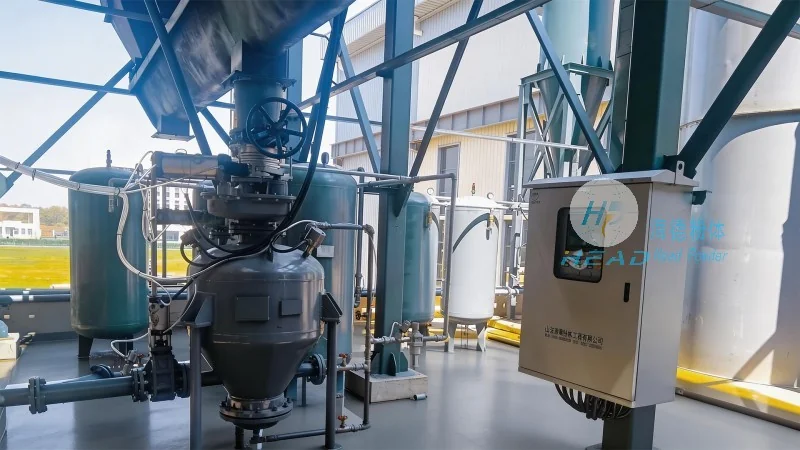
Automatic bulk bag unloading powder pneumatic conveying equipment is widely used in various industries that handle bulk powders. Some common applications include:
- Pharmaceutical Industry: For the handling of active pharmaceutical ingredients (APIs) and other sensitive powders, where maintaining product purity and consistency is critical.
- Food and Beverage Industry: For the transfer of ingredients such as flour, sugar, and spices, ensuring that the final products meet quality and safety standards.
- Chemical Industry: For the handling of chemical powders, including industrial chemicals and specialty chemicals, where the system's ability to handle corrosive or abrasive materials is essential.
- Mineral and Mining Industry: For the transfer of minerals and ores from bulk bags to processing equipment, improving the efficiency of material handling in mining operations.
Conclusion
Automatic bulk bag unloading powder pneumatic conveying equipment is a sophisticated and efficient solution for handling bulk powders in various industrial applications. By integrating advanced technology and automation, this system ensures safe, reliable, and consistent material transfer, while also improving operational efficiency and product quality. As industries continue to demand higher standards of productivity and safety, such equipment plays a vital role in meeting these requirements. The system's flexibility and scalability make it an ideal choice for businesses looking to optimize their material handling processes and stay competitive in their respective markets.




