When it comes to managing dust handling processes in industrial applications, selecting the appropriate pneumatic conveying system is crucial for efficiency, safety, and operational reliability. The choice of system directly impacts the performance of material transport, dust containment, and overall process integration. This guide aims to provide insights into the key factors and considerations for choosing the right pneumatic conveying system tailored to specific dust handling requirements.
Understanding the Core Requirements of Dust Handling Processes
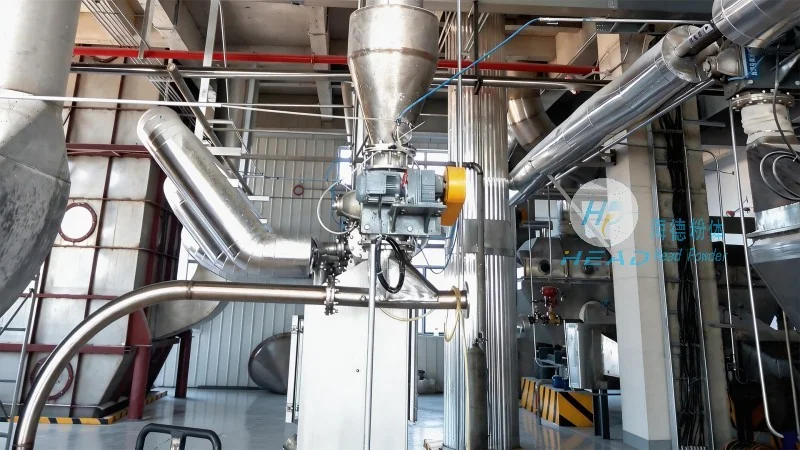
Before selecting a pneumatic conveying system, it is essential to evaluate the specific characteristics of the dust material being handled. Factors such as particle size, density, moisture content, and abrasiveness significantly influence the system's design and performance. For instance, fine powders may require high-velocity systems with efficient separation mechanisms, while bulkier or more abrasive materials might necessitate robust, low-velocity designs. Additionally, the desired conveying distance, flow rate, and operational environment (e.g., indoor or outdoor, temperature, and pressure conditions) must be considered to ensure the system meets the process demands.
Key Considerations for Pneumatic Conveying System Selection
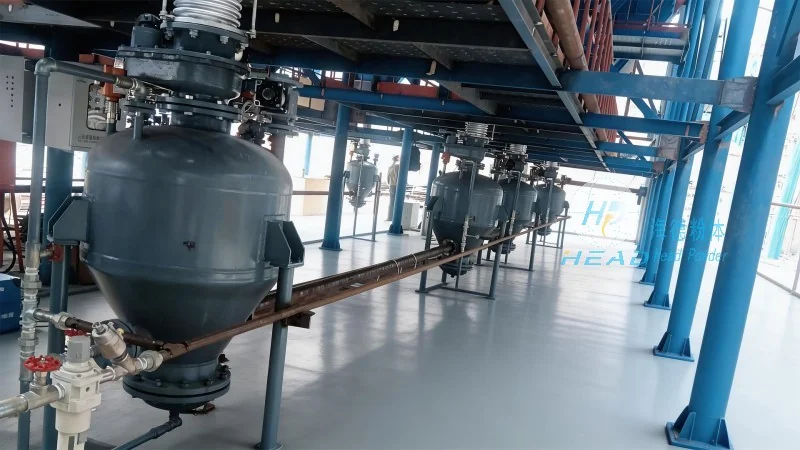
Several critical aspects should be evaluated when choosing a pneumatic conveying system for dust handling applications. The first is the type of conveying technology, which can be broadly categorized into pressure and vacuum systems. Pressure systems, such as positive displacement blowers or rotary lobe pumps, are suitable for high-pressure applications and long-distance transport, while vacuum systems, often using centrifugal fans, are ideal for short distances and material recovery from collection points. Another important factor is the system's material handling capacity, which should align with the production volume and throughput requirements. The design of the conveying line, including the number of bends, vertical lifts, and horizontal runs, also impacts the system's efficiency and energy consumption. Furthermore, the integration of dust collection and filtration systems is vital for maintaining air quality and complying with environmental regulations. The choice of components, such as the material of construction (e.g., stainless steel, carbon steel, or plastic), must consider the chemical compatibility and durability against the dust's properties.
Role of HeadPowder in Providing Customized Solutions
Shandong HeadPowder Engineering Co., Ltd., a leading provider of dust handling solutions, specializes in designing and manufacturing tailored pneumatic conveying systems. With a focus on industrial applications, HeadPowder offers a range of products that cater to diverse dust handling needs. The company's expertise lies in understanding the unique challenges of each process and developing customized solutions that enhance operational efficiency and safety. By leveraging advanced engineering and material science, HeadPowder ensures that its systems are robust, reliable, and compliant with industry standards. The company's commitment to quality and customer satisfaction is reflected in its comprehensive service offerings, including system design, installation, and maintenance support. HeadPowder's team of experienced engineers works closely with clients to assess their specific requirements and recommend the most suitable pneumatic conveying system, ensuring optimal performance and long-term value.
Conclusion: Making Informed Decisions for Dust Handling
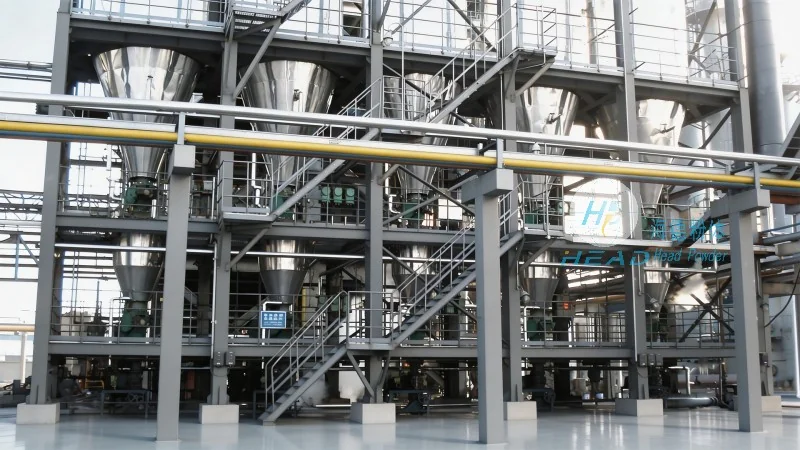
Selecting the right pneumatic conveying system for dust handling processes requires a thorough understanding of the material characteristics, operational requirements, and system capabilities. By considering factors such as conveying type, capacity, integration, and material compatibility, industrial facilities can achieve efficient material transport while maintaining safety and compliance. Shandong HeadPowder Engineering Co., Ltd. stands as a trusted partner in this process, offering customized solutions that meet the unique needs of each client. With its expertise and commitment to quality, HeadPowder helps industries optimize their dust handling operations, ensuring reliable and sustainable performance. By choosing the appropriate pneumatic conveying system, businesses can enhance productivity, reduce downtime, and improve overall operational efficiency in their dust handling processes.




