When it comes to managing boron powder in industrial settings, selecting the appropriate pneumatic conveying system is crucial for ensuring efficiency, safety, and cost-effectiveness. The right system can significantly improve material handling, reduce downtime, and enhance overall operational performance. However, with various options available, choosing the most suitable solution requires a thorough understanding of the material's characteristics and the specific needs of your process. This article will guide you through the key considerations and factors to evaluate when selecting a pneumatic conveying system for boron powder, helping you make an informed decision that aligns with your operational goals.
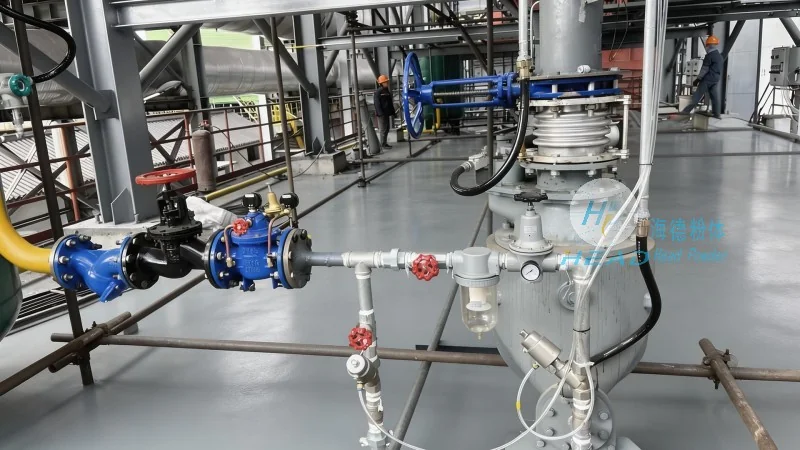
Understanding the Importance of Pneumatic Conveying for Boron Powder
Boron powder, due to its fine particle size and potential dust hazards, demands specialized handling solutions. Traditional methods like manual handling or bucket elevators may pose risks of dust exposure and material loss. Pneumatic conveying systems offer a more controlled and efficient way to transport boron powder from one location to another, minimizing the risk of contamination and ensuring consistent material flow. These systems use air or other gases to move the powder through a pipeline, providing a clean and enclosed environment that protects both the material and the environment. For industries dealing with boron powder, investing in a reliable pneumatic conveying system is essential for maintaining productivity and compliance with safety regulations.
Key Factors to Consider When Choosing a Pneumatic Conveying System
Several critical factors must be evaluated when selecting a pneumatic conveying system for boron powder. The first and most important consideration is the material's physical properties, such as particle size, density, and flowability. Boron powder typically has a fine particle size, which can affect how it behaves in a conveying system. Systems designed for fine powders, like dilute phase or dense phase pneumatic conveyors, are often more effective in maintaining material integrity and preventing clogging. Additionally, the system's capacity and the distance over which the powder needs to be transported are crucial. A system that can handle the required flow rate and pressure is essential to avoid bottlenecks and ensure smooth operation. The type of system—whether it's a positive pressure, negative pressure, or a combination—also plays a role in determining its suitability for boron powder. Positive pressure systems are commonly used for fine powders as they provide better control over the material and reduce the risk of dust leakage.
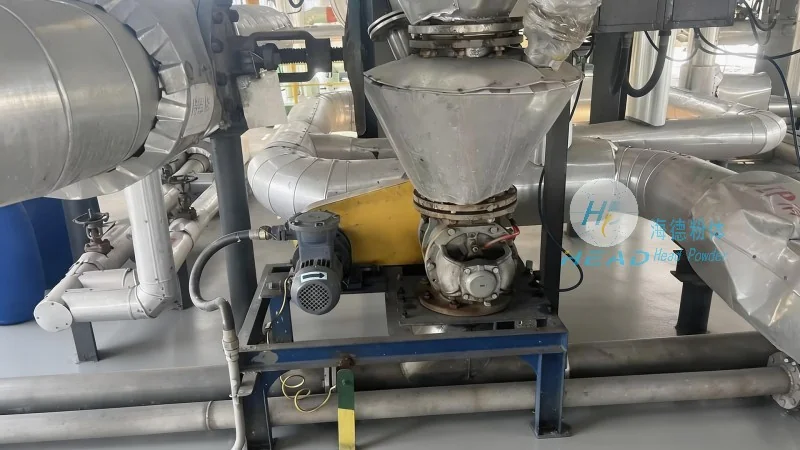
Types of Pneumatic Conveying Systems for Boron Powder
There are primarily two types of pneumatic conveying systems commonly used for handling boron powder: dilute phase and dense phase systems. Dilute phase systems use low air velocity to transport the powder in a dispersed state, making them suitable for short to medium distances and moderate flow rates. These systems are generally more cost-effective and easier to install but may not be ideal for very fine or abrasive powders, as they can lead to increased wear and tear on components. Dense phase systems, on the other hand, use higher air velocity and pressure to move the powder in a slurry-like state, which is more suitable for longer distances and higher flow rates. They are particularly effective for handling fine powders like boron, as they minimize particle degradation and reduce the risk of clogging. Dense phase systems also offer better control over the material's flow, making them a preferred choice for applications where material integrity is critical. Another option is the hybrid system, which combines elements of both dilute and dense phase systems to provide flexibility and adaptability based on the specific requirements of the boron powder handling process.
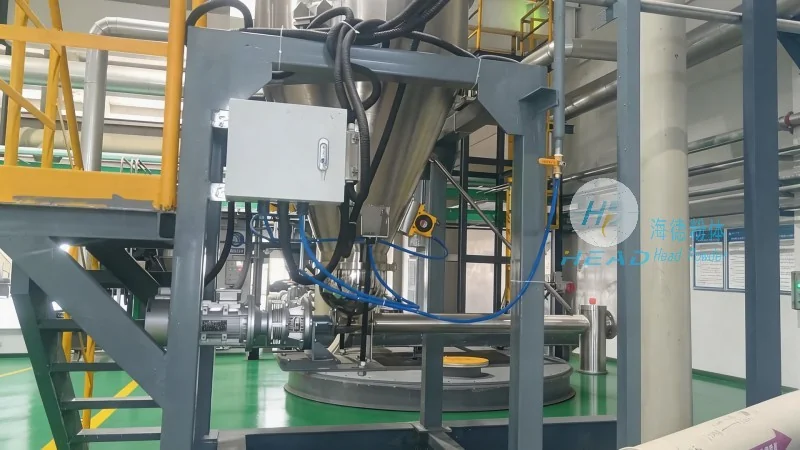
Role of Material Handling Expertise in System Selection
Choosing the right pneumatic conveying system for boron powder is not just about technical specifications; it also requires expertise in material handling. The experience and knowledge of the system provider are critical factors in ensuring the success of the installation. Companies specializing in boron powder handling, such as Shandong HeadPowder Engineering Co., Ltd., bring years of experience and technical expertise to the table. With a deep understanding of the unique challenges associated with boron powder, these experts can provide tailored solutions that address specific operational needs. They can assess the material's properties, evaluate the process requirements, and recommend the most suitable system configuration. This expertise ensures that the chosen system not only meets current needs but also accommodates future expansion or changes in the boron powder handling process. By leveraging the knowledge of experienced material handling professionals, businesses can avoid costly mistakes and ensure that their pneumatic conveying system is optimized for performance and longevity.
Conclusion: Making the Right Choice for Your Boron Powder Handling
Selecting the appropriate pneumatic conveying system for boron powder is a critical decision that impacts operational efficiency, safety, and cost. By considering factors such as material properties, system capacity, and the type of system, businesses can make an informed choice that aligns with their specific needs. The expertise of companies like Shandong HeadPowder Engineering Co., Ltd. is invaluable in this process, as they provide tailored solutions and technical support to ensure the success of the system. Whether dealing with fine boron powder or other challenging materials, investing in a reliable pneumatic conveying system is essential for maintaining productivity and meeting industry standards. With the right system in place, businesses can enhance their material handling capabilities, reduce downtime, and achieve greater operational efficiency in their boron powder processing operations.




