Welcome to Shandong HeadPowder Engineering Co., Ltd., a leading manufacturer specializing in advanced pneumatic conveying systems for the cereal industry. Our expertise lies in designing and implementing efficient solutions for transporting cereal materials, ensuring optimal performance and reliability in various processing environments. This article delves into the working principle and key features of our cereal material pneumatic conveying lines, providing a comprehensive understanding of how these systems operate and their advantages in industrial applications.
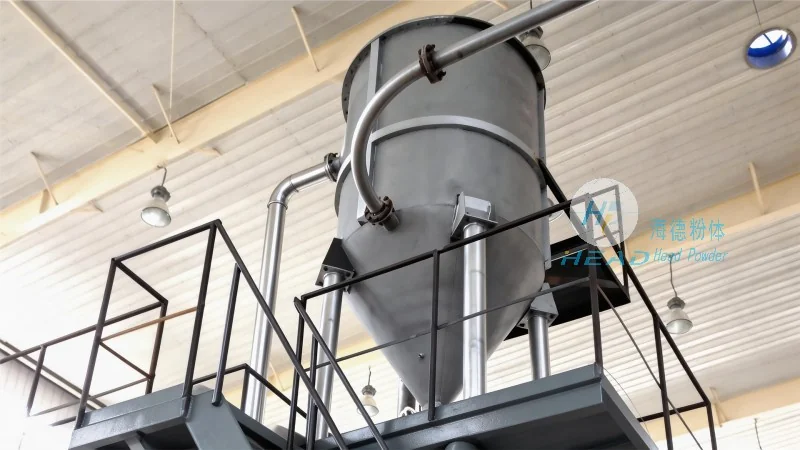
Working Principle of Cereal Material Pneumatic Conveying Lines
The core mechanism of cereal material pneumatic conveying lines involves the use of air or gas to transport bulk materials like cereals through a pipeline system. This process typically operates under either positive or negative pressure, depending on the specific requirements of the application. In positive pressure systems, air is forced through the pipeline, creating a pressure differential that propels the material forward. Conversely, negative pressure systems draw material into the pipeline using a vacuum, which is then transported to the destination. The system comprises several key components, including a hopper for material storage, a feeder to control the flow rate, a conveying line (often equipped with bends and straight sections), and a receiver to collect the material at the end of the line. The feeder is crucial as it ensures a consistent and controlled discharge of the cereal material into the conveying line, preventing blockages and maintaining smooth operation. The conveying line itself is designed with appropriate diameters and materials to withstand the abrasive nature of cereal particles and the forces exerted by the air flow. Bends and elbows are strategically placed to guide the material through the system while minimizing pressure loss and ensuring efficient transport. The receiver at the end of the line collects the material and may include features such as a dust collection system to maintain air quality and prevent contamination. The entire system is powered by a blower or vacuum pump, which generates the necessary air flow to move the material. The speed and pressure of the air are carefully controlled to optimize the conveying efficiency and prevent material degradation. This principle allows for a continuous, automated process that reduces manual handling and enhances safety in the workplace.
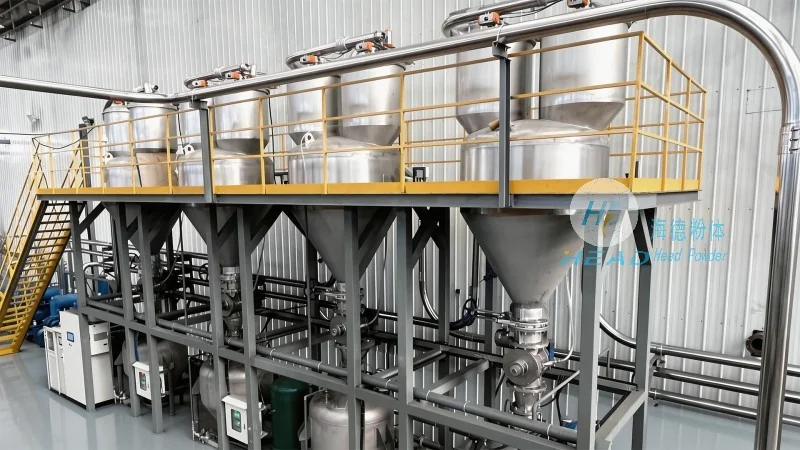
Key Features of Cereal Material Pneumatic Conveying Lines
Our cereal material pneumatic conveying lines are engineered with several distinct features that enhance their performance and adaptability. One of the primary features is the ability to handle a wide range of cereal types, including wheat, corn, oats, and other grains, with minimal modification to the system. This versatility makes the lines suitable for various processing stages, from raw material intake to final product packaging. Another notable feature is the system's compact design, which optimizes space utilization in industrial facilities. By using a pipeline system instead of traditional belt or bucket elevators, the conveying lines take up less floor space, allowing for more efficient layout of processing equipment. The system also offers high efficiency in material transport, with minimal product loss and reduced downtime due to maintenance. This is achieved through the use of high-quality components, such as durable hopper liners and wear-resistant pipeline materials, which extend the service life of the equipment. Additionally, the conveying lines are designed for easy cleaning and maintenance, with removable sections that allow for thorough sanitation between batches. This feature is particularly important in food processing applications where hygiene standards are stringent. The system's control panel provides real-time monitoring of pressure, flow rate, and material level, enabling operators to adjust settings quickly and respond to any issues that may arise. This level of control enhances operational flexibility and ensures consistent product quality. Furthermore, the lines are equipped with safety features, such as pressure relief valves and emergency shut-off mechanisms, to prevent accidents and protect personnel. These features align with industry safety regulations and contribute to a secure working environment. The integration of advanced technology, such as variable frequency drives (VFDs) for the blower, allows for energy-efficient operation by adjusting the air flow based on the material load. This not only reduces operational costs but also minimizes the environmental impact of the system. Overall, the key features of our cereal material pneumatic conveying lines make them a reliable and efficient solution for the cereal processing industry.
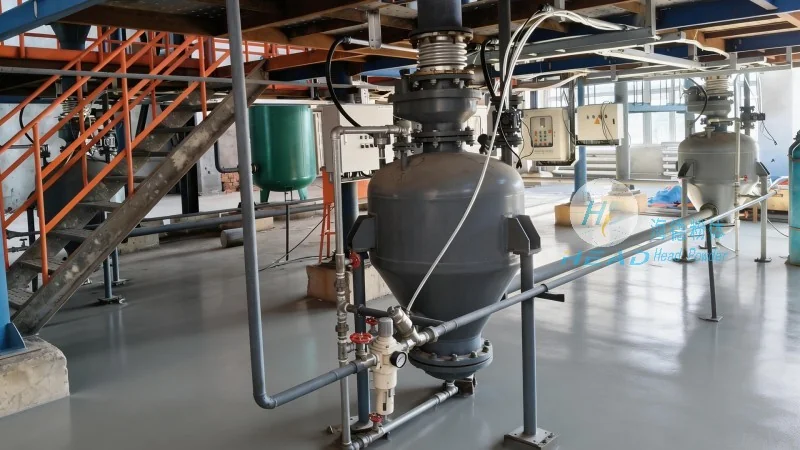
Technical Advantages and Performance Characteristics
The technical advantages of our cereal material pneumatic conveying lines stem from the integration of advanced engineering principles and high-quality materials. One of the most significant advantages is the system's ability to maintain the integrity of the cereal material during transport. Unlike mechanical conveying systems that may cause abrasion or breakage of the grains, pneumatic conveying uses air to move the material, minimizing physical stress and preserving the quality of the product. This is particularly important for delicate cereals that require careful handling to avoid damage. The system also offers high capacity and continuous operation, allowing for large volumes of material to be transported over long distances without interruption. This capability is essential for large-scale processing facilities that require consistent material flow to meet production demands. The conveying lines are designed to handle both dry and slightly moist cereal materials, adapting to different processing conditions. The use of positive or negative pressure can be adjusted based on the material's properties, ensuring optimal performance in various scenarios. Another technical advantage is the system's low maintenance requirements. By eliminating moving parts in the conveying line (such as belts or buckets), the risk of mechanical failure is reduced, and maintenance intervals are extended. This leads to lower operational costs and increased system reliability. The components used in the system, such as the blower and feeder, are designed for durability and ease of maintenance. Regular inspections and simple adjustments can keep the system running smoothly for extended periods. The system's energy efficiency is another key technical advantage. The use of VFDs allows for dynamic control of the air flow, matching the energy consumption to the actual material load. This reduces energy waste and lowers the overall operational cost of the system. The compact design of the conveying lines also contributes to energy savings by minimizing the distance air needs to travel, reducing pressure losses and energy consumption. The performance characteristics of our lines are consistently tested and validated to meet industry standards. Through rigorous testing, we ensure that the system delivers reliable and efficient performance under various operating conditions. The results of these tests confirm that our conveying lines can handle high volumes of cereal material with minimal pressure drop and maximum efficiency. The system's ability to maintain consistent flow rates and pressure levels is a critical performance characteristic that ensures smooth operation and prevents bottlenecks in the processing line. Additionally, the system's adaptability to different cereal types and processing stages makes it a versatile solution for diverse industrial applications. The combination of these technical advantages and performance characteristics makes our cereal material pneumatic conveying lines a superior choice for the cereal processing industry.




