For industrial applications that require the efficient and safe transportation of solid powder materials, pneumatic conveying systems have emerged as a reliable solution. These systems utilize air or gas to move powders through a pipeline network, offering advantages such as minimal product contamination, reduced labor costs, and the ability to handle a wide range of materials. In this article, we will explore the fundamental working principles and key features of solid powder material pneumatic conveying lines, providing insights into how they operate and why they are preferred in various industries.
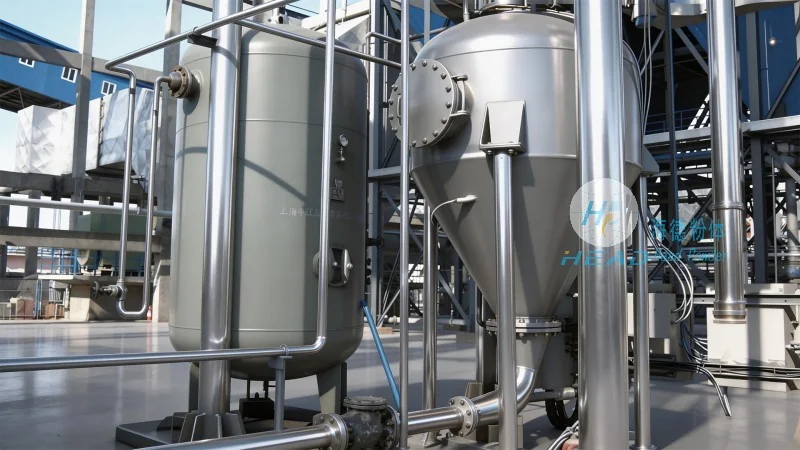
HeadPowder, a leading manufacturer based in Shandong, China, specializes in the design, manufacturing, and installation of advanced pneumatic conveying solutions. With years of experience in the field, HeadPowder Engineering Co., Ltd. has developed a comprehensive range of systems tailored to meet the diverse needs of clients across different sectors.
The Working Principle of Solid Powder Material Pneumatic Conveying Lines
The core mechanism of pneumatic conveying involves the use of a blower or compressor to generate a flow of air or gas within a pipeline. This airflow creates a pressure differential that draws the solid powder particles into the system. There are two primary types of pneumatic conveying systems: dilute phase and dense phase, each with distinct operational characteristics.
In dilute phase conveying, the powder is suspended in the air stream and transported at relatively high velocities (typically 20-30 meters per second). This method is suitable for materials that are non-abrasive and have a low density, as it minimizes particle-particle and particle-wall collisions. The system operates under low pressure, making it ideal for long-distance transport and applications where product degradation is a concern.
Conversely, dense phase conveying involves the powder being transported in a more concentrated form, often at lower velocities (around 5-10 meters per second). This method is preferred for abrasive or sensitive materials, as it reduces wear on the pipeline and equipment. The system typically operates under higher pressure, which allows for more precise control over the flow rate and prevents material segregation.
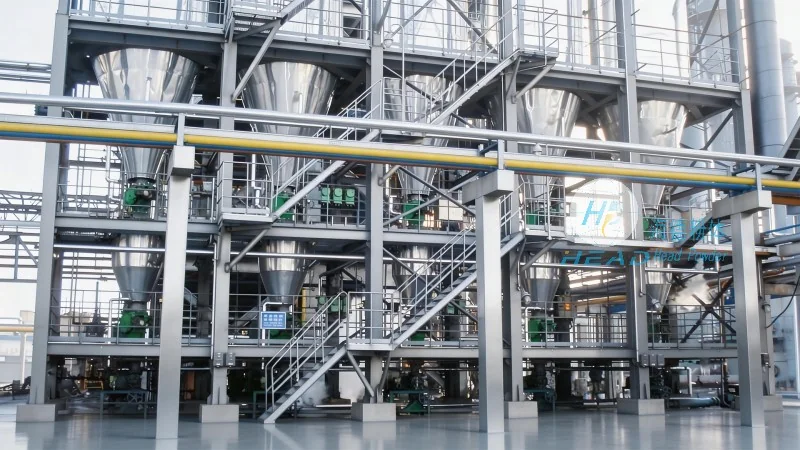
Key Features of Solid Powder Material Pneumatic Conveying Lines
Several key features make solid powder material pneumatic conveying lines an attractive option for industrial operations:
1. Minimal Product Contamination: Unlike mechanical conveying methods, pneumatic systems do not come into direct contact with the product, ensuring that the material remains clean and free from contaminants. This is particularly important for food, pharmaceutical, and high-purity applications.
2. Reduced Labor Costs: Automated pneumatic conveying systems require less manual intervention, reducing the need for labor-intensive handling processes. This not only lowers operational costs but also enhances workplace safety by minimizing the risk of accidents associated with manual material handling.
3. Flexibility and Scalability: Pneumatic conveying systems can be easily adapted to accommodate changes in production volume or material types. The modular design allows for the addition or removal of components, making it suitable for both small-scale and large-scale operations.
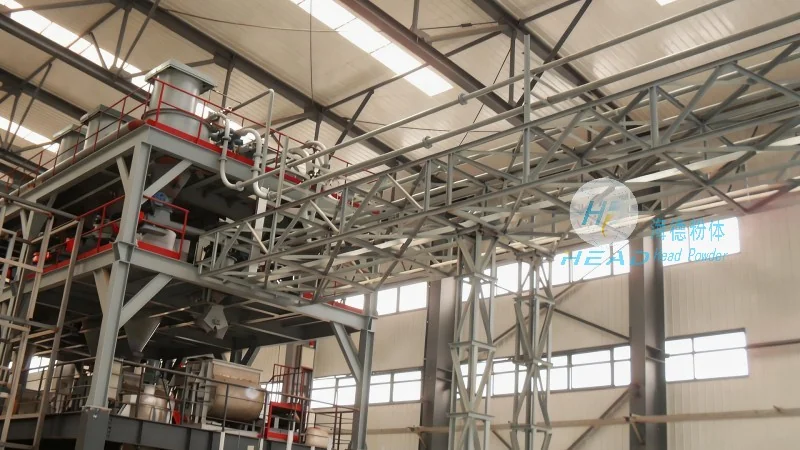
4. Space Efficiency: Unlike traditional belt or bucket elevators, pneumatic systems can be installed in a compact footprint, making them ideal for facilities with limited space. The pipeline layout can be customized to fit the existing infrastructure, reducing the need for extensive site modifications.
5. Energy Efficiency: Modern pneumatic conveying systems are designed to optimize energy consumption. Advanced blower technologies and efficient pipeline designs help reduce operational costs while maintaining high performance levels.
Applications and Benefits in Industrial Settings
Solid powder material pneumatic conveying lines are widely used in various industries, including food and beverage, pharmaceuticals, chemicals, and mining. The ability to handle fine powders, abrasive materials, and sensitive products makes these systems indispensable in processes such as raw material transport, product blending, and packaging. By integrating these systems into their operations, companies can achieve improved efficiency, reduced downtime, and enhanced product quality.
HeadPowder Engineering Co., Ltd., with its headquarters in Shandong, China, continues to innovate and provide cutting-edge pneumatic conveying solutions. The company's commitment to quality, reliability, and customer satisfaction has established it as a trusted partner for businesses seeking to optimize their material handling processes. Whether you are looking to upgrade an existing system or design a new one from scratch, HeadPowder offers tailored solutions that meet the specific requirements of your application.




